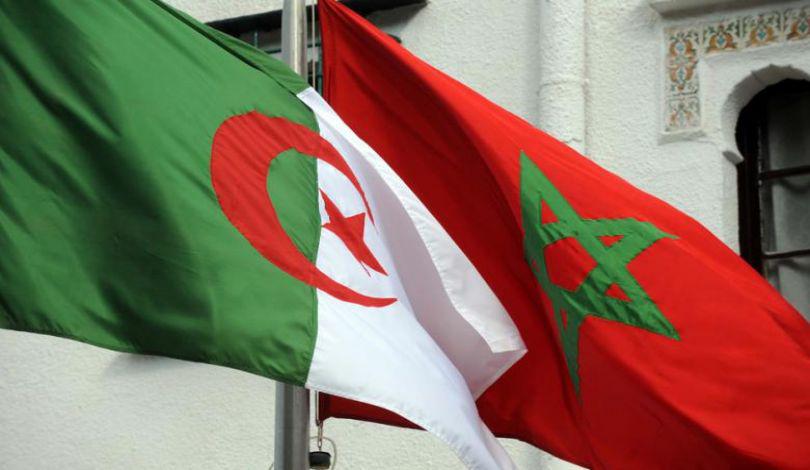
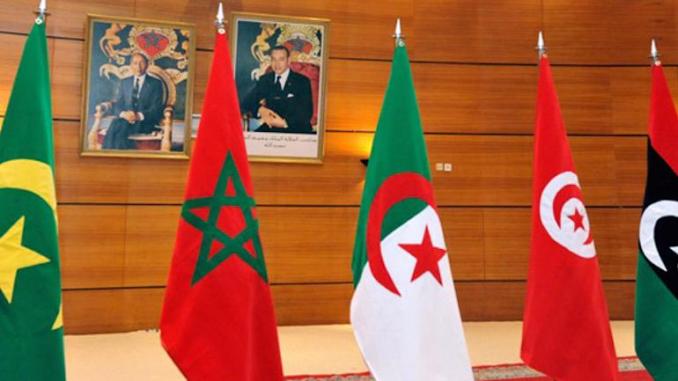
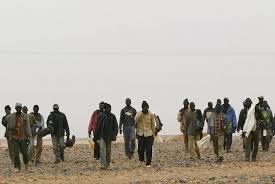
In the past ten years, North African countries progressed in liberalizing their trade relations with the EU as well as Korea. As part of the Euro-Mediterranean (Barcelona Process) Partnership, North African nations and the EU entered association agreements with provisions for free trade in industrial goods. This opened doors for European manufacturers to new export and investment markets. Most recently, North African nations and the EU launched initiatives to extend their agreements to trade in agricultural products, trade in services, government procurement, and trade harmonization. Trade between North Africa and Korea also exploded in the past five years. As latecomers to North Africa, […]
Columns
Subprime Entailed Dismissals or the Chronology of a Crisis
The drop of benefits prompted banks, fast earning mongers, to proceed to a wave of dismissals. In 2011, Barclays already split up with more than 4,400 employees, Crédit Suisse planned to expel 2,000 persons and Lloyds Banking Group, 10,000. The massive suppression of jobs is a trend that has affected the financial world for many […]
Doing Business in the MENA Region: Going the SMART Way?
Doing business in North Africa seems to be very challenging and still largely for the intrepid. The World Bank’s annual survey ‘Doing Business’ provides data on the relative easiness (or difficulty) of running a business around the world. A high ranking on the ease of doing business index means the regulatory environment is more conducive […]
Education Systems in Developing Countries – Nationalization versus International Compatibility?
Middle income nations often share the same social and political issues, with education being an important yet contentious issue for many developing countries which are trying to move forward and become effective global players. Indonesia, as well as many North African countries, faces a ‘financing gap’ with constraints in mobilizing the funds needed to invest […]
Turkey’s Economic and ‘Charm Offensive’ in Africa
It is not a secret that the relationship between Turkey and the European Union is going through a rough period. The solution to this deadlock for Ankara is to diversify away from the declining European economy and search for new markets which will also provide Turkey with a more prominent role on the world stage. […]
Sinking Susan Rice’s Nomination: What It Could Mean for the U.S. North Africa Policy
When Susan Rice withdrew her name from the consideration for nomination for Secretary of State, she did so largely to save the White House from a costly political fight. Over the previous weeks, Senators John McCain, Kelly Ayotte, and Lindsay Graham had attacked her vigorously for not calling the attack on the US consulate in […]
A ‘Home-Made’ Model for the Economic Integration in the MENA Region
After decades of elusive quest for a common Arab economic space and EU-promoted trials with the fluky Euro-Mediterranean Free Trade Agreement (EU-MFTA), the economies of the MENA region are facing the challenge of deciding whether to bury or revive the ‘frozen’ regional integration processes. Prior to the events of the Arab Spring, the MENA member […]
Turkey as a ‘Role Model’ in the MENA Region after the Arab Spring
The Arab revolutions of 2011 have brought into immediate focus the following question related to Turkey’s foreign policy: ‘Can Turkey’s economic and political model become a reference-point for the region’s post-autocratic societies, similar to the EU for east-central Europe after 1989?’. Indeed, many political observers see the revolutions in the Arab countries as a chance […]
Social Media in North Africa: a ‘Double-Edged Weapon’
How important has been the role that social media have played in the Arab Spring uprisings and the subsequent democratic transformation affecting the North African region? This is a question that has been hotly contested in both policy-making and academic circles essentially ever since a Tunisian fruit vendor’s act of self-immolation swiftly wreaked havoc with […]
A Quest for North Africa’s Economic Recovery: Lessons from Post-Communist Europe
In May 2012, leaders of the G8 countries met in France in order to discuss an eventual support of the ongoing revolutionary processes of the Arab Spring. Although a number of countries have already helped financially or otherwise, the current amounts of aid implicitly suggest that another Marshall Plan in not going to take place. […]