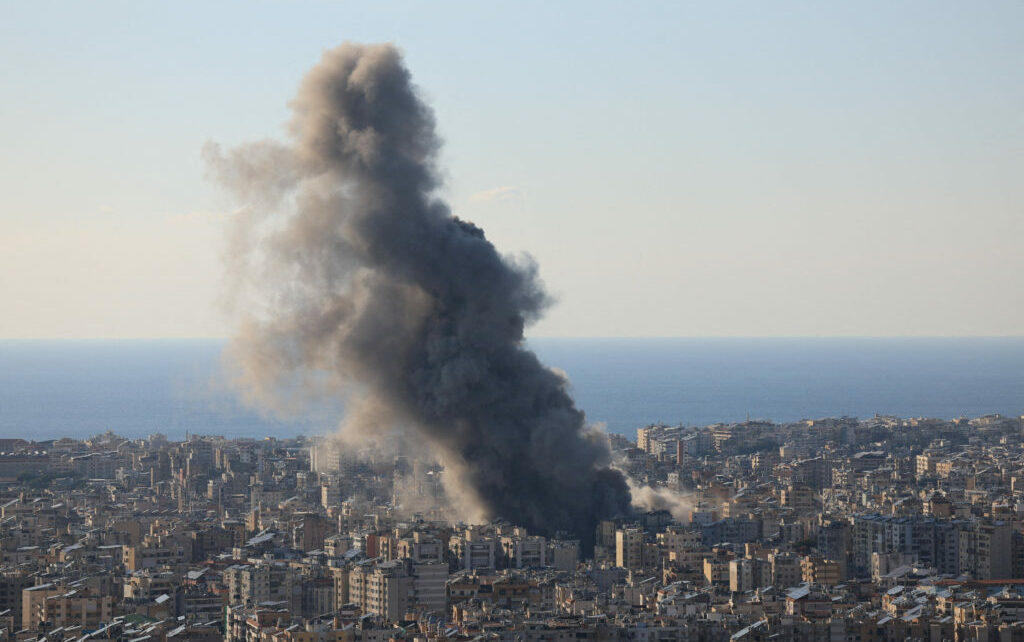
Escalating conflict between Iran, Israel and the United States is casting a shadow on the global economy including Morocco’s economy, exposing it to vulnerabilities in energy security, logistics, industrial supply chains and the state budget if the war lasts beyond four weeks.
A disruption or risk-driven slowdown in traffic through the Strait of Hormuz, the main passage point for global oil, would affect Morocco through higher freight costs and rising fuel prices.
Nearly 98% of Morocco’s external trade moves by sea, making the port of Tanger-Med a key indicator of global tensions. Tangier port has traditionally benefited from tension in the Red Sea.
Higher maritime insurance premiums and a potential doubling of freight rates from around USD 2,100 to more than $4,400 per container. Oil markets have already reacted, with Brent up 13% at the open on March 2. Higher crude prices rapidly feed into Morocco’s logistics costs and consumer prices due to the country’s reliance on imported energy.
The immediate risk is not a physical shortage but rising costs from global supply disruptions. National budget projections for 2026 were based on an oil price of USD 60–65 per barrel. A price above USD 80–100 in the event of further escalation would increase the energy bill and force the government to choose between allowing domestic prices to rise or expanding subsidies, which would widen the deficit.
Imported inflation would raise prices at fuel pumps, electricity costs and food transported across the country, with middle- and low-income households most affected. Ouassini described the situation as both a social and fiscal stress test.
Morocco is activating several measures to improve resilience. Besides expanding gas storage capacity, The Moroccan government is also accelerating renewable energy deployment. The target of 52% of installed electricity capacity from renewable sources by 2030 aims to reduce dependence on imported hydrocarbons and limit exposure to global disruptions.