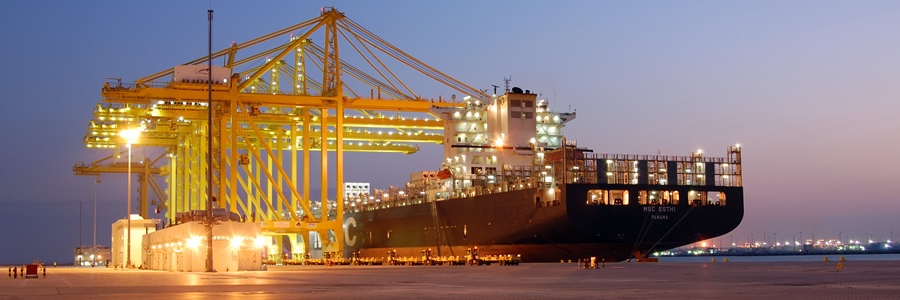
Morocco’s ambitious free trade strategy has expanded market access and boosted key export sectors, but widening trade deficits with major partners raise questions about the agreements’ overall economic impact, according to new analysis.
The kingdom’s imports under free trade agreements reached 207.8 billion dirhams ($20.4 billion) in 2022, climbing 20.9% from the previous year, with the European Union accounting for 66.6% of the total. Imports from the United States surged 60.8% to 31.5 billion dirhams, while Turkish imports rose 20.5%.
“We cannot deny these agreements’ positive impact on the national economy, but their effect on competitiveness remains uneven across sectors,” economist Mohammed Saïd Tahiri told Finances News Hebdo. He attributes the imbalance to overly rapid market opening without adequate competitiveness preparation.
Morocco’s automotive sector emerged as the clear winner, becoming the top export earner with over 100 billion dirhams in 2022. Aerospace, agribusiness, high-value textiles and phosphates also thrived. Traditional textile branches, leather goods and furniture manufacturing suffered under aggressive international competition.
The EU remains Morocco’s dominant trading partner with 56 billion euros in bilateral trade in 2023, creating strategic vulnerability concerns. Trade with sub-Saharan Africa declined 18.14% between 2022 and 2023, while flows to Asia and Latin America remain modest despite significant potential.
Tahiri pleads for the African Continental Free Trade Area as a mechanism to rebalance Morocco’s trade policy and reduce European dependency. However, success requires substantial logistics investments, regulatory harmonization, and regional industrial partnerships.
Morocco’s new foreign trade roadmap aims to revitalize exports by focusing on competitive sectors that create employment and meet genuine market demand. Tahiri calls for “more selective, strategic and equitable” opening that protects sensitive industries while promoting industrial upgrading.