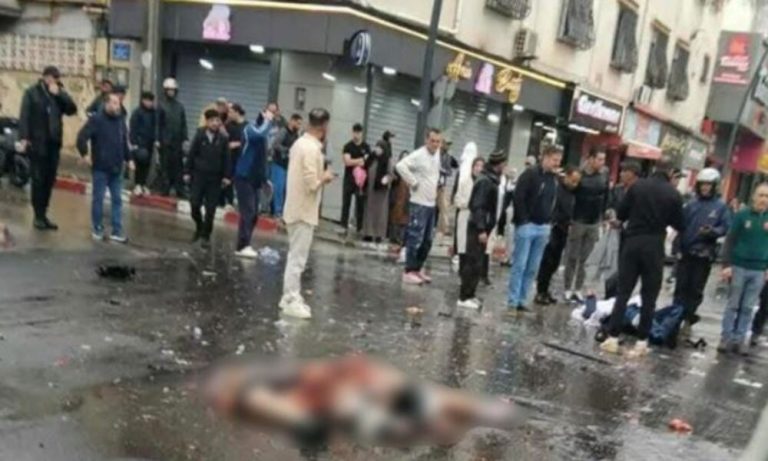
In the hours following the suicide attacks in Blida, “The City of Roses,” located about forty kilometers from the capital Algiers, Algerian authorities—on the instructions of Boualem Boualem, chief of staff to President Abdelmadjid Tebboune—launched an unprecedented large-scale internal operation within their own security services.
The attacks, which occurred on the very day of the arrival in Algiers of Pope Leo XIV for an official visit, sent shockwaves through the upper ranks of the Algerian state apparatus, reported the news outlet Sahel Intelligence.
According to sources close to the authorities, the initial findings of the investigation quickly revealed serious dysfunctions, and even possible complicity, within certain counterterrorism units—across the police, the gendarmerie, and the military intelligence services under the authority of General Saïd Chengriha—who was reportedly reprimanded by the chief of staff.
The very next day following the kamikaze attacks, several officials from the domestic intelligence services were dismissed or arrested, while dozens of agents were detained in various barracks and operation centers.
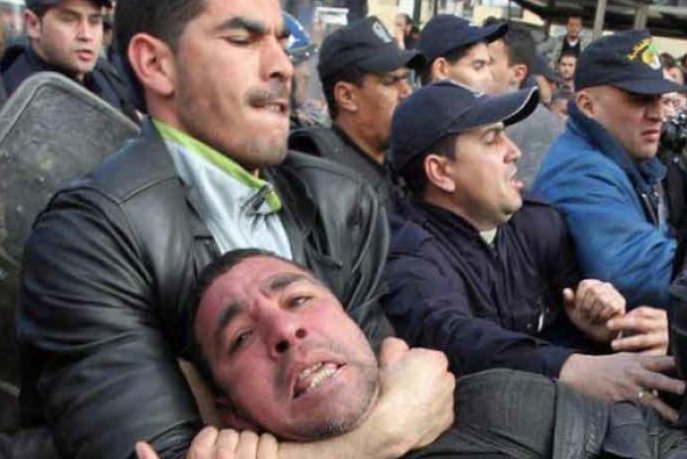
At the same time, the security response extended well beyond official structures. Members of the presumed families of the suicide bombers were arrested in several regions of the country, officially for investigative purposes.
Meanwhile, authorities launched a manhunt for individuals suspected of filming or broadcasting footage of the attempted attacks. Several arrests were made following the circulation of videos on social media, with authorities accusing those responsible of undermining national security and spreading terrorist propaganda.
At the Ministry of the Interior, Boualem Boualem ordered a strategic reorganization operation aimed at restoring the integrity and efficiency of all civilian and military security services under his authority.
The simultaneity of the attempted attacks and the Pope’s visit has also fueled speculation. Some analysts see it as a political message intended to weaken the ruling power on the international stage, or even to undermine its diplomatic relations. Others point to an internal struggle between rival factions within the security apparatus.
This climate of widespread suspicion marks a turning point for Algeria, where trust in the security services and the army—long considered the backbone of the regime—now appears to be deeply shaken.
The coming days should reveal whether this purge and these arrests will lead to a genuine overhaul or whether they are merely the prelude to broader tensions at the top of the state between the military and the presidency.