Algeria’s top officials are showing signs of a marked change in tone on the Sahara issue, as growing support for Morocco’s autonomy plan and international pressure- particularly from the United States- forces Algiers to recalibrate a decades long narrative built on failed bid to contain Rabat.
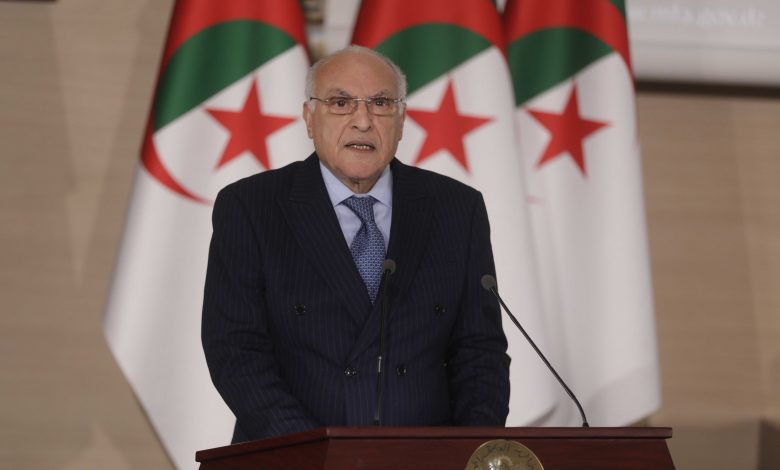
Speaking on May 24, Foreign Minister Ahmed Attaf declared Algeria’s “full support” for ongoing negotiations under United Nations and US auspices, expressing hope that they would lead to a “just, lasting and definitive” solution to the conflict.
He added that Algeria “fully welcomes the negotiation process launched… under joint supervision from the United Nations and the United States.”
Nowhere did he rehash the old rhetoric of “Africa’s last colony” or “self-determination”. Attaf did not even refer to the Polisario’s self-declared SADR entity.
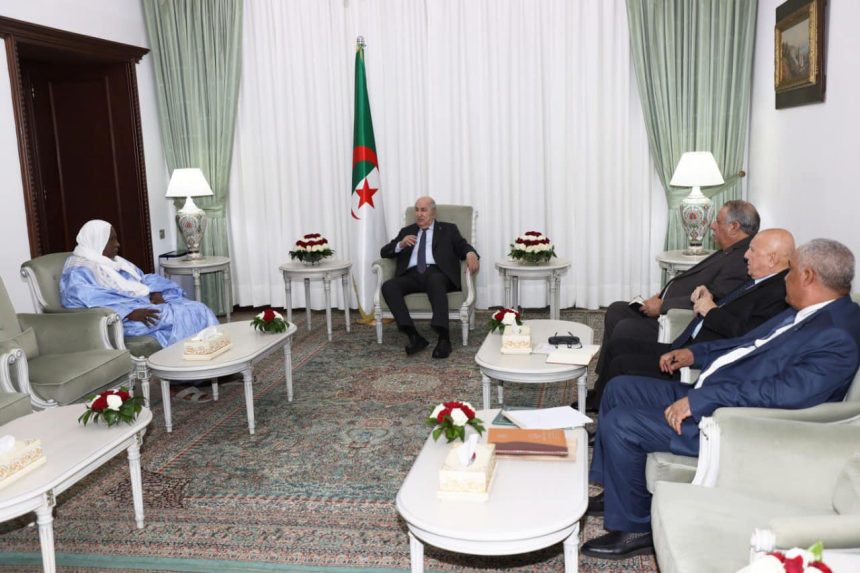
The remarks mirror a recent shift by President Abdelmadjid Tebboune, who acknowledged that a UN resolution on the Sahara issue “is making its way,” in what observers see as an unusually cautious tone compared to his past warmongering rhetoric.
The change in discourse comes as Washington intensifies efforts to bring the decades old conflict to closure. US officials have repeatedly reaffirmed support for Morocco’s sovereignty over the Sahara and pushed for a political solution based on the autonomy initiative.
UN Security Council Resolution 2797, adopted in October 2025, calls on all parties-including Algeria- to participate in negotiations and frames autonomy as the most realistic basis for a settlement.
By endorsing the UN process, both Attaf and Tebboune appear to be aligning with a framework that Algeria had long resisted, implicitly accepting the parameters of talks centered on the Moroccan proposal.
Algeria’s current positioning stands in stark contrast to its historical role in the conflict. For more than fifty years, Algiers claim of neutrality is discredited by its actual financial, diplomatic and military support for the Polisario militias.
Algeria has even taken center stage in recent years speaking on behalf of the Polisario militias and taking hostile moves against Spain and France when they backed autonomy under Moroccan sovereignty as a political solution to the conflict.
This sustained involvement has not only perpetuated the conflict. It has effectively made Algeria a central actor rather than a neutral supporter.
Algeria has offered its territories, passports, airlines and tax-payers money to sustain the chimera of the self-declared SADR republic, for which it has been campaigning in vain since the 1970s.
For Moroccans, the insistence of Algeria on “observer” status reflects an attempt to evade legal and political responsibility for a conflict Algeria has long shaped on the ground.
Attaf’s praise for Resolution 2797 has also drawn attention for its apparent inconsistency. While Algerian officials now cite the resolution as supporting their stance, Algiers notably avoided voting on the text when it was adopted and has often resisted the roundtable format it enshrines.
This dual approach has been interpreted as a sign of a deeper diplomatic impasse.
Algeria’s recalibration comes as the regional balance shifts decisively. Morocco’s autonomy initiative has gained growing international recognition, while several countries have withdrawn or frozen their recognition of the SADR, weakening the Polisario Front’s diplomatic standing.
As the Polisario increasingly fades into the background, Algeria has taken center stage in reacting to diplomatic developments, issuing statements, lobbying internationally, and responding to each new sovereign recognition of Morocco’s territorial integrity.
The convergence of Attaf’s and Tebboune’s statements suggests more than a simple rhetorical adjustment. By acknowledging that the UN process is advancing and endorsing negotiations framed by Resolution 2797, Algeria is seen by many observers as moving, however reluctantly, toward a diplomatic reality shaped by Morocco’s autonomy proposal.