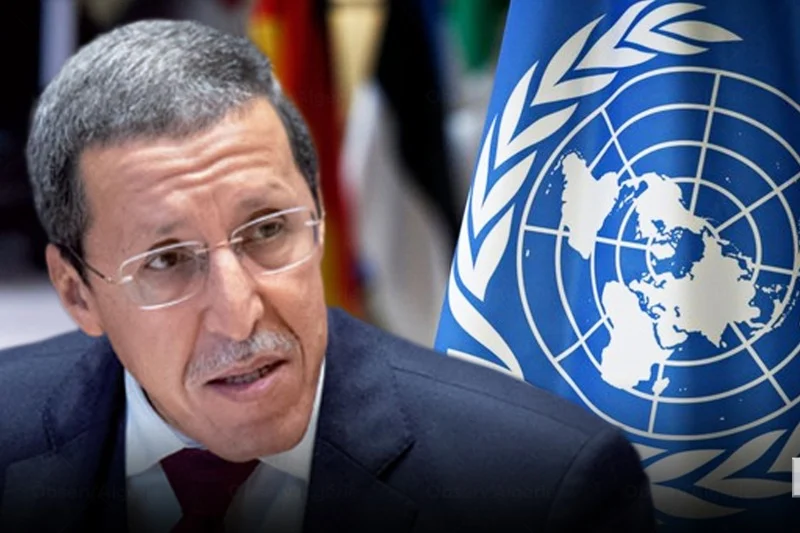
Ambassador Omar Hilale used the closing session of the UN Committee of 24’s regional seminar in Managua, Nicaragua on May 27, to deliver Morocco’s most direct statement yet on the institutional status of the Sahara dossier within the UN system: its continued presence on the C24’s agenda is anachronistic, legally inconsistent with the Charter, and increasingly disconnected from the political reality established by Security Council Resolution 2797. The Committee of 24, formally the Special Committee on Decolonization, was designed for colonial territories; the Sahara file, Hilale argued, now belongs exclusively to the Security Council.
He grounded his argument in two converging legal and political logics. First, Article 12 of the UN Charter establishes the primacy of the Security Council over subsidiary organs of the General Assembly in matters of international peace and security. Second, Resolution 2797 has established the autonomy plan under Moroccan sovereignty as the sole serious and credible basis for a definitive settlement, and has mandated the four parties — Morocco, Algeria, Mauritania, and the Polisario — to engage in direct discussions under U.S. facilitation. The C24’s parallel treatment of the dossier as a decolonization matter contradicts both the letter and the spirit of this framework.
Hilale’s remarks were pointed in their diagnosis of the opposing parties’ conduct: the time is no longer for ideological posturing, obsolete doctrinal approaches, or the stalling that has maintained this dispute in a sterile impasse for decades. The Council has traced the path; Morocco has followed it, detailing its autonomy plan and participating constructively in the Washington and Madrid discussion sessions. The Polisario and Algeria, Hilale implied, have not reciprocated. He placed both parties before what he called a historic choice: seize the opportunity to close a fifty-year dispute, or choose the status quo and its security risks — and bear before history the responsibility for every additional delay.
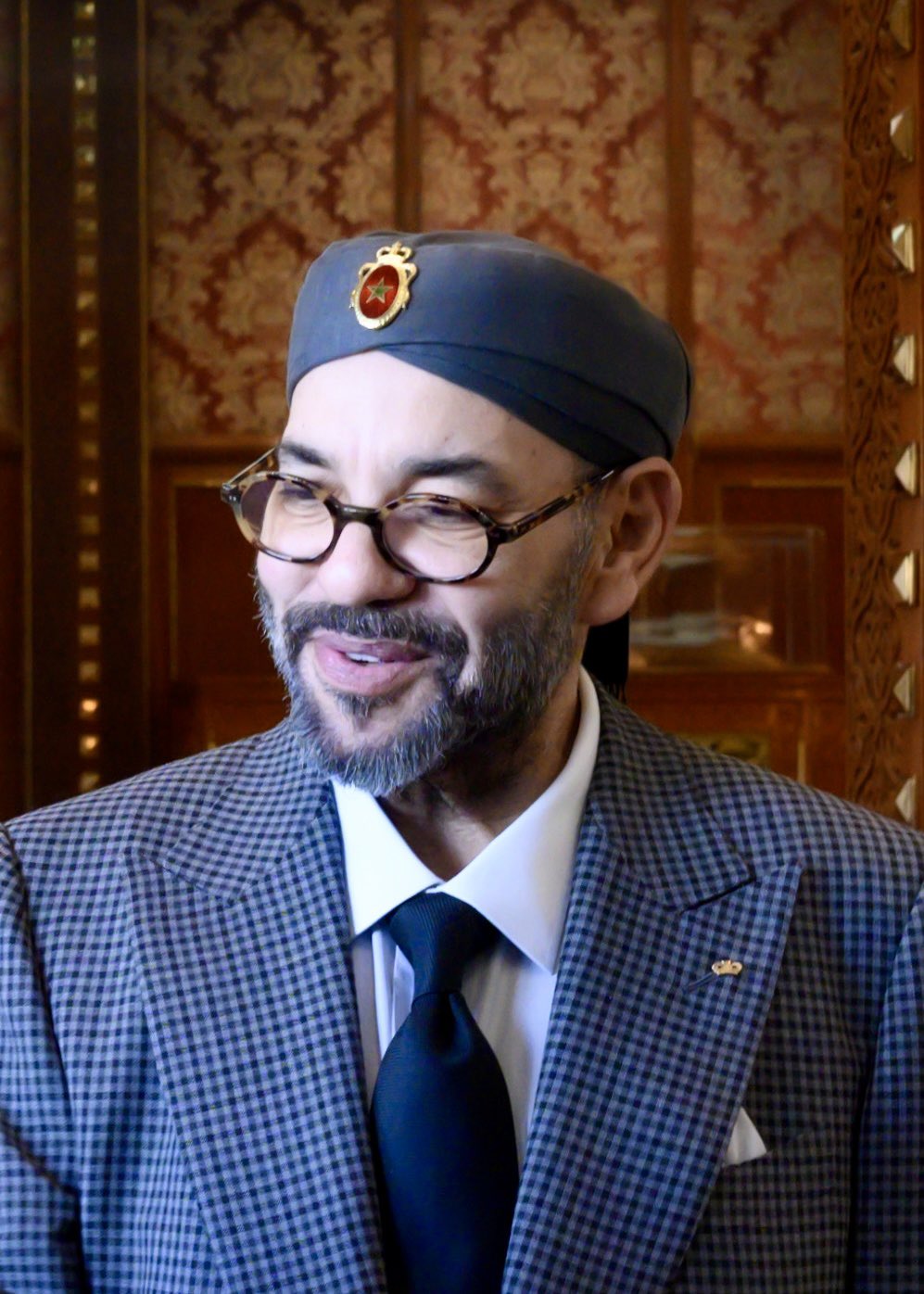
He cited King Mohammed VI’s words from the night of Resolution 2797’s adoption as the definitive statement of Morocco’s posture: the goal is not to wave the resolution as a trophy, but to reach a solution that saves face for all parties — one with no winners and no losers. Hilale described this formulation as reflecting the soul with which Morocco approaches its national cause: with responsibility, gravity, and the deep conviction that a just and lasting political settlement is not only possible but within reach, if the other parties have the courage to accept it.
The Managua seminar concluded with a notably high participation level, and Morocco’s delegation — which for the eighth consecutive year included elected officials from the Dakhla-Oued Eddahab and Laayoune-Sakia El Hamra regions — presented a comprehensive overview of the New Development Model for the Southern Provinces, documenting its measurable achievements in infrastructure, renewable energy, the blue economy, education, and health as concrete evidence that autonomy under Moroccan sovereignty is not an abstract political offer but a lived and advancing reality.