A new investigative documentary broadcast this week on France 2 has exposed Algeria’s covert destabilizing operations against opponents and institutions inside France, bringing into the open practices long suspected by French authorities.
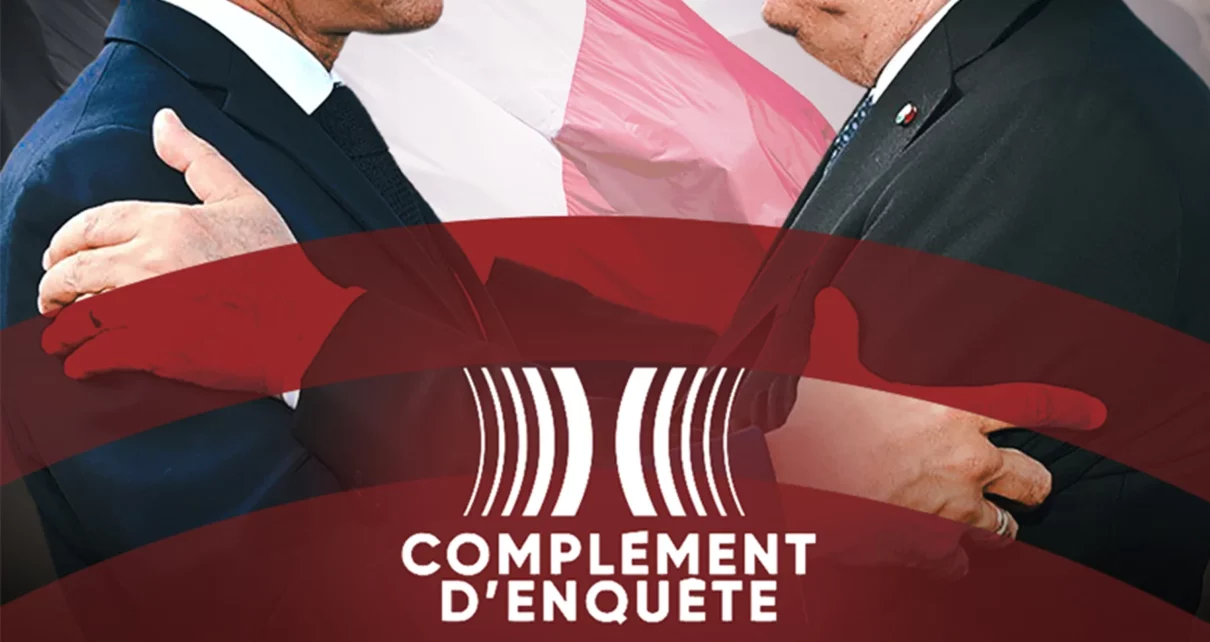
The program, aired on January 22 as part of Complément d’enquête and titled “Rumours and Dirty Tricks: The Secret War between France and Algeria”, showed hidden campaigns of intimidation, influence and disinformation orchestrated by Algerian state actors amid the worst diplomatic crisis between Paris and Algiers since Algeria’s independence.
The documentary comes at a moment of unprecedented tension in bilateral relations, following France’s July 2024 recognition of Moroccan sovereignty over the Sahara, a move that unsettled Algiers which backs the Polisario separatists.
Even before the program was broadcast, Algeria’s state news agency, Algérie Presse Service (APS), issued a hysterical attack on France Télévisions.
The reaction, published before viewers had seen the evidence presented, underscored the sensitivity of the allegations and signaled Algiers’ determination to discredit the program rather than engage with its substance.
Central to the documentary is the case of Amir Boukhors, known as Amir DZ, an Algerian influencer and outspoken critic of the regime who has lived in France since 2016 and was granted political asylum in 2023.
According to French judicial authorities and testimony broadcast by France 2, Boukhors was abducted in April 2024 near Paris by men posing as police officers. He was handcuffed, taken to a remote location and released more than 24 hours later. French anti-terrorism prosecutors later charged three suspects.
The arrest of a serving Algerian diplomat marked an extraordinary escalation. Algiers responded by expelling 12 French diplomatic staff and recalling its ambassador. The presence of a consular employee among the suspects has profoundly shaken trust between the two countries.
The documentary explains how the Algerian regime has pursued dissidents beyond its borders, treating exile not as protection but as another front in its crackdown.
The program reveals further allegations based on a confidential French counter-intelligence note, which describes attempts by Algerian intelligence services to pressure French elected officials of Algerian origin.
One Paris municipal councillor recounts being summoned to the Algerian consulate in Créteil in November 2024 and interrogated in what she described as an intimidating atmosphere. She was reportedly criticized for inaugurating a street plaque honoring Kabyle singer Lounès Matoub without explicitly emphasizing Algerian nationality.
According to the note and her testimony, she was urged to “correct” the narrative and warned that she was being monitored because of her political influence.
Other officials, she said, were subjected to similar tactics including appeals to loyalty, reminders of family ties to Algeria, and implied consequences for non-compliance.
The documentary portrays these approaches as part of a systematic strategy to mobilize the diaspora in defense of the regime while silencing dissenting voices abroad.
Another segment focuses on the so-called “Bercy spy,” a French Ministry of Finance engineer of Algerian origin now under judicial investigation for supplying information about Algerian dissidents living in France.
The man admitted to France 2 providing information under coercion, telling journalists that his parents’ safety in Algeria was used as leverage. The case reinforces the program’s broader argument that Algeria’s security services rely heavily on pressure, blackmail and intimidation rather than persuasion.
Rather than de-escalating, Algiers has chosen confrontation by exporting repression, attacking and arresting journalists and writers, and portraying all criticism as foreign conspiracy.