The adoption of UN Security Council Resolution 2797 marks a historic turning point in the Sahara issue, capping more than two decades of sustained diplomatic efforts led by King Mohammed VI in favor of Morocco’s historic rights to its southern provinces, the Sahara.
The resolution, passed on Friday, enshrines Morocco’s autonomy plan as the sole framework for negotiations and extends MINURSO’s mandate until October 31, 2026.
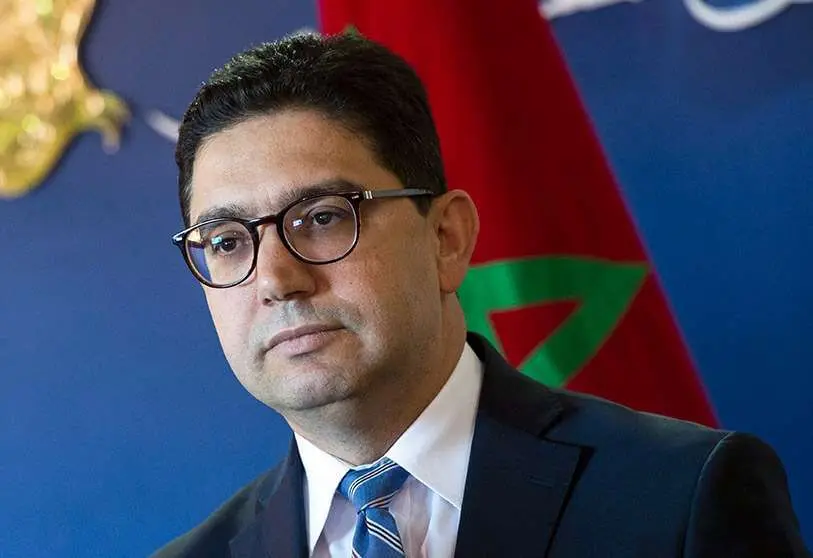
In an exclusive interview with 2M TV channel, Foreign Minister Nasser Bourita hailed the vote as a culmination of 26 years of relentless work led by King Mohammed VI in defense of Morocco’s territorial integrity and unity.
The resolution marks “a groundbreaking shift” in the UN’s approach, he said.
“The rules of the game have changed,” he declared, noting that “no state opposed the resolution.”
He highlighted that the text was streamlined from 43 paragraphs in 2024 to just 14, with human rights references removed and only one mention of humanitarian issues.
“The autonomy initiative is cited six times,” Bourita stressed, underscoring its centrality.
The resolution also clarifies the parties to the process: Morocco, the Polisario Front, Algeria, and Mauritania, and sets a one-year deadline for negotiations under the guidance of UN envoy Staffan de Mistura.
“This is historic because it defines the framework and the actors,” Bourita said.
Behind the scenes, Morocco fought hard to secure support. Bourita revealed that by October 29, nine votes were assured.
“On Thursday, after direct interventions by His Majesty with certain leaders, we reached ten. We even tried to bring a permanent member on board for twelve, but that country had requests related to the penholder- the United States- not Morocco,” he explained.
In total, 45 amendments were proposed to the U.S.-drafted text, but Morocco stood firm. “His Majesty set the objectives: autonomy and Moroccan sovereignty,” Bourita affirmed.
Looking forward, King Mohammed VI announced that Morocco will revise and detail its autonomy proposal for submission to the UN.
Bourita explained that since its launch in 2007, Morocco has adopted a new constitution (2011), advanced regionalization (2015), and implemented development models for the southern provinces and nationally.
“These elements will enrich the initiative. What were signals in 2007 must now be detailed-institutions, powers, resources,” he said.
On Algeria, Bourita dismissed rumors of U.S. mediation, reiterating the King’s call for direct dialogue. “The two countries do not need intermediaries. They share geography and history. What is needed is political will,” he concluded.
Resolution 2797 is widely seen as the culmination of Morocco’s diplomatic trajectory under King Mohammed VI, a strategy that combined international outreach, economic integration, and a consistent message: autonomy under Moroccan sovereignty as the only realistic solution.