In the evolving architecture of global alliances, the Morocco–India relationship stands out as a model of pragmatic diplomacy backed by concrete win-win projects and cooperation notably in the fields of defense, industry, and farming.
Once distant players on opposite sides of Cold War-era ideological divides, the two nations have, over the past two decades, forged a dynamic partnership. Historically, relations were strained. In 1985, India’s recognition of the so-called Sahrawi Arab Democratic Republic (RASD) reflected a geopolitical posture shaped by non-aligned solidarity and Algerian influence.
That decision, made under Prime Minister Rajiv Gandhi, froze diplomatic engagement with Morocco for nearly two decades.
The thaw began in 2000, when then Moroccan Prime Minister Abderrahman El Youssoufi visited New Delhi and successfully lobbied for the withdrawal of India’s recognition of the RASD. This diplomatic breakthrough paved the way for a new chapter, culminating in a strategic partnership signed in 2015 between King Mohammed VI and Prime Minister Narendra Modi.
Since then, bilateral ties have deepened across multiple sectors. Morocco has become a critical supplier of phosphates to India, which relies heavily on Moroccan fertilizers to sustain its agricultural output.
In 2024, India imported nearly $958 million worth of fertilizers from Morocco, making it the largest component of bilateral trade. Overall trade between the two countries reached $2.55 billion in 2025, up from $2.4 billion the previous year.
Indian exports to Morocco, ranging from pharmaceuticals and automotive components to textiles and electronics, have grown by more than 100% over the past two years.
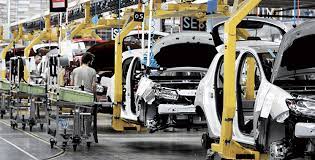
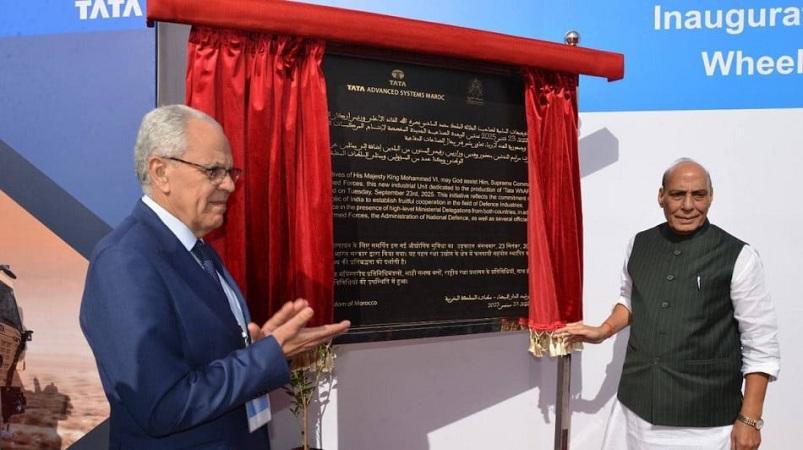
The partnership is no longer limited to commodities. In September 2025, India’s Defense Minister Rajnath Singh visited Morocco to inaugurate Tata Advanced Systems Maroc (TASM) in Berrechid. This marks the first Indian defense manufacturing facility on the African continent.
The plant will produce WhAP 8×8 armored vehicles, jointly developed by Tata and India’s Defence Research and Development Organisation (DRDO), for Morocco’s Royal Armed Forces and regional export markets.
This investment signals India’s confidence in Morocco’s industrial capabilities and its strategic positioning as a gateway to both Africa and Europe.
India now views Morocco as a stable, forward-looking partner in a volatile region. Morocco, in turn, sees India as a source of innovation, investment, and strategic diversification. This convergence reflects a shared commitment to South-South cooperation, industrial sovereignty, and geopolitical balance.