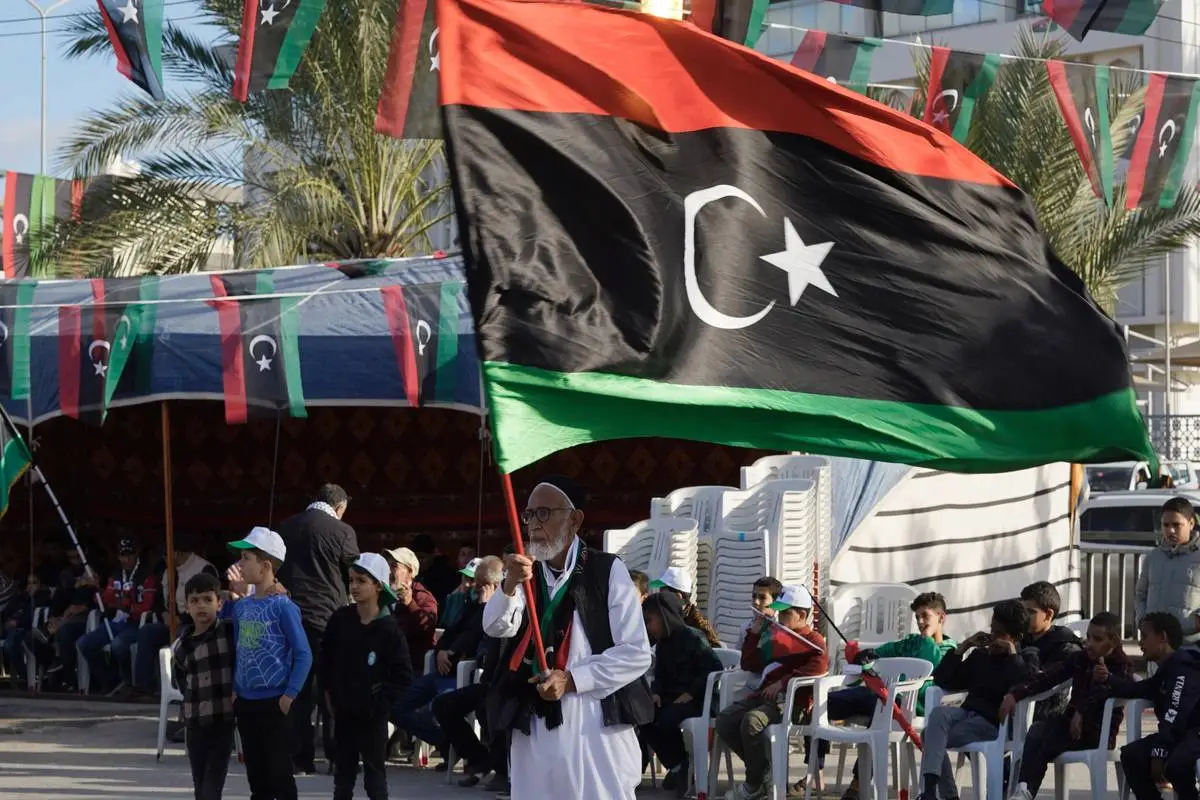
More than ten years after Muammar Gaddafi’s assassination, Libya remains trapped in chaos, its promises of liberation eroded by division, corruption, and broken institutions.
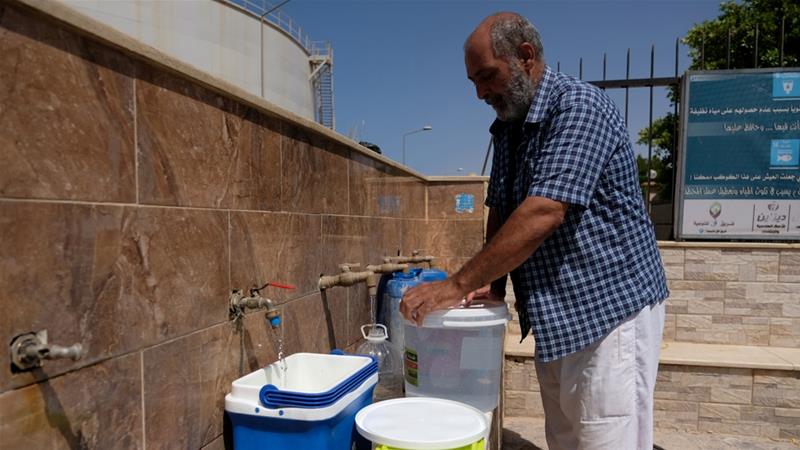
The 2020 ceasefire muted the sound of gunfire but did little to mend the nation’s political fractures. Ordinary Libyans endure hardship amid hunger, insecurity, and corruption, while the threat of renewed violence lingers over a State weakened by dueling Governments and militia dominance.
The political landscape is split between two rival administrations: the UN-backed Government of National Unity in Tripoli, led by Abdul Hamid Dbeibeh, and the Government of National Stability in Benghazi, supported by General Khalifa Haftar and the House of Representatives. This duality has paralyzed governance, stalled elections, and deepened mistrust, leaving Libya a country united on paper but fractured in reality. Foreign powers and militias further entrench the divide, treating Libya as a battleground for influence.
Libya’s vast oil wealth, meant to be its greatest strength, has instead fueled conflict and corruption. With over forty-eight billion barrels of reserves, oil remains the country’s economic lifeline, yet it is constantly weaponized by rival factions. Militias control production sites, while political leaders exploit revenues to strengthen their grip on power. Instead of building a future, oil profits enrich armed groups and foreign companies, leaving ordinary citizens excluded from their own nation’s resources.
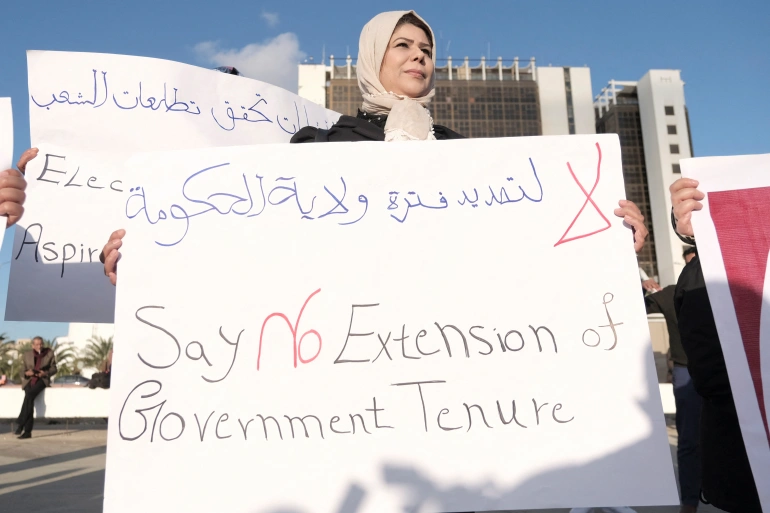
Elections, seen as the pathway to legitimacy, have been repeatedly delayed since 2014. The failure of the December 2021 vote highlighted Libya’s inability to agree on electoral laws or candidate eligibility, exposing the depth of mistrust between rival camps. With no shared legal or political framework, the democratic process remains suspended, silencing citizens eager for representation. Without credible elections, sovereignty is continually undermined by political elites and foreign actors.
The road ahead is fraught with uncertainty. International mediation efforts, including UN-led talks, have produced little progress, while militias and foreign interests remain dominant players. Libya’s future hinges on whether its leaders can transcend factional divides, establish a framework for fair elections, and channel oil wealth into rebuilding the nation rather than fueling conflict. Until then, Libya drifts in limbo—rich in resources, yet impoverished in peace, stability, and unity.