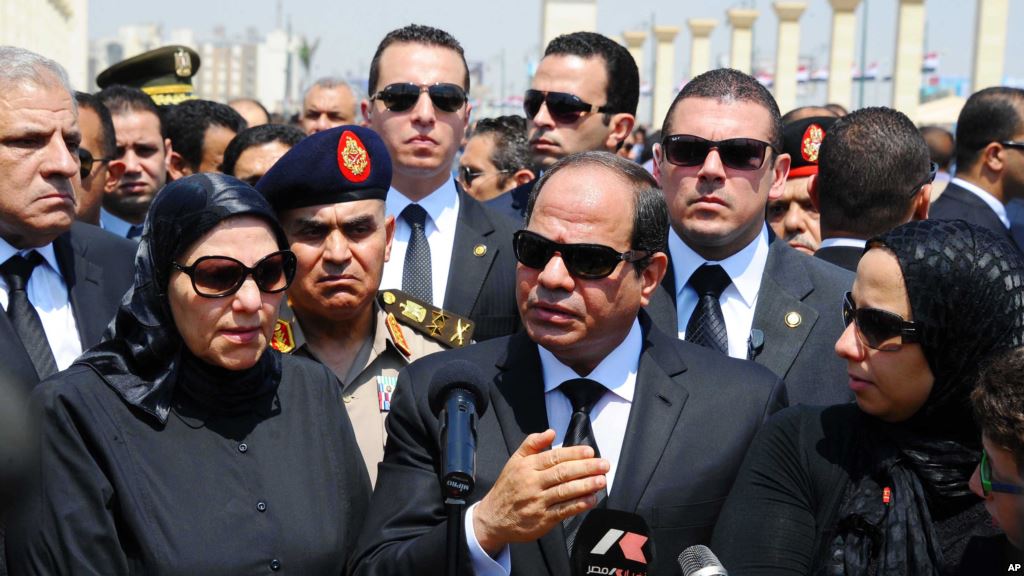
A recently concluded meeting between Egypt’s president, some government officials and delegates from the British Petroleum on an extraction project of natural gas from a deep water deposit in the Mediterranean basin at a depth of 7,700 meters calls for an investment of billions of dollars. 11 billion dollars will be invested by BP in […]
Author: North Africa Post
Iraq: The cost of the Political crisis
Tensions between the governments in Baghdad and the semi-autonomous region of Kurdistan are jeopardizing the country’s effort to stand again on its feet. Iraq is now the second largest oil producing country within the Organization of the Petroleum Exporting Countries (OPEC) but it is also loosing $200 each second because of the frequent blockage of […]
Flexible Brokerage: Qatar and Moroccan Diplomatic Relations
No tiny Arab country has ever gained more diplomatic leverage than Qatar in recent North African history. Since independence, only a few Arab regional powers had an overarching and successful influence in North Africa’s politics: Jamal Abdel Nasser’s Egypt and King Fahd’s Saudi Arabia were able to diplomatically twist – gently or otherwise – the […]
North Africa after the Storm: Five Lessons in Crisis Management
A year and a half after the start of popular protests in Tunisia, it may not be tedious to take some time out to assess what just happened. At present, events seem to slow down in the five North African countries which were significantly affected by the storm: Tunisia, Libya, Egypt, Algeria and Morocco. In […]
Springtime for Political Islam in North Africa: Defying the Western ‘Fear-Mongering’?
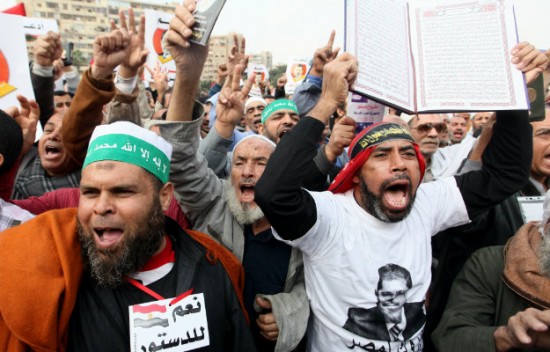
Islamist groupings across North Africa – who had long faced severe repression from the recently deposed dictators and were commonly denounced by the West as security threats – now lead three of the four new democratically elected governments in the region. But the Islamist parties that have suddenly found themselves in power across North Africa […]
The Risks of Revolution: Tunisia and the Future of Hizb al-Nahda
Revolutions are a risky business, not least for the revolutionaries themselves. Be they in 18th century France or in 21st century Tunisia, revolutions are sparked by ideals but they are only kept alive and fueled by promises, promises to deliver. In the early stages, ideals can be seized upon, turned into popular placards by the […]