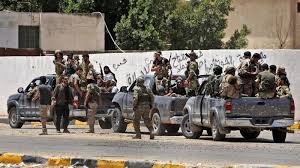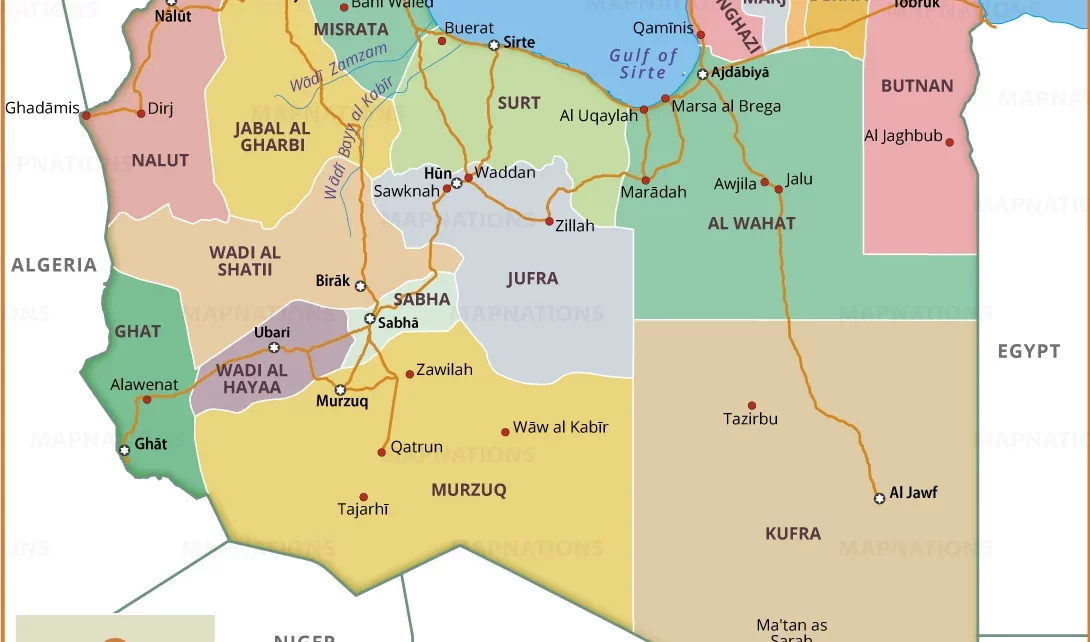
Fierce armed clashes broke out early Tuesday, August 4, 2026, between armed groups in Libya’s western cities of Zawiya and Surman, leaving civilians caught in the crossfire and raising fresh concerns over security in the region.
The Libyan News Agency (LANA) reported that ambulance services and local authorities warned residents against using the coastal road linking Tripoli and Ras Jdir, describing it as unsafe due to the fighting.
The route serves as a major transport corridor in western Libya, connecting the capital, Tripoli, to the Tunisian border and supporting the movement of passengers, goods and commercial supplies. The disruption has highlighted the wider impact of recurring armed confrontations on public life and economic activity.
Authorities in Zawiya and Surman urged residents to remain indoors except for urgent needs and suspended operations at some institutions to protect civilians and workers. The Libyan Red Crescent also raised its alert level and called on the warring sides to open humanitarian corridors to allow emergency teams access to affected areas.
The security situation was further complicated after the Judicial Police announced that several inmates had escaped from the Surman Reform and Rehabilitation Institution during the clashes.
No official casualty figures or detailed information on the causes of the violence have been released. Reports indicate that light weapons, machine guns and medium weapons were used in residential areas, while the identities of the groups involved remain unclear.
Western Libya, particularly Zawiya, Surman, Sabratha and Al-Ajilat, has witnessed repeated armed confrontations in recent years, often linked to struggles over influence and control of smuggling routes.
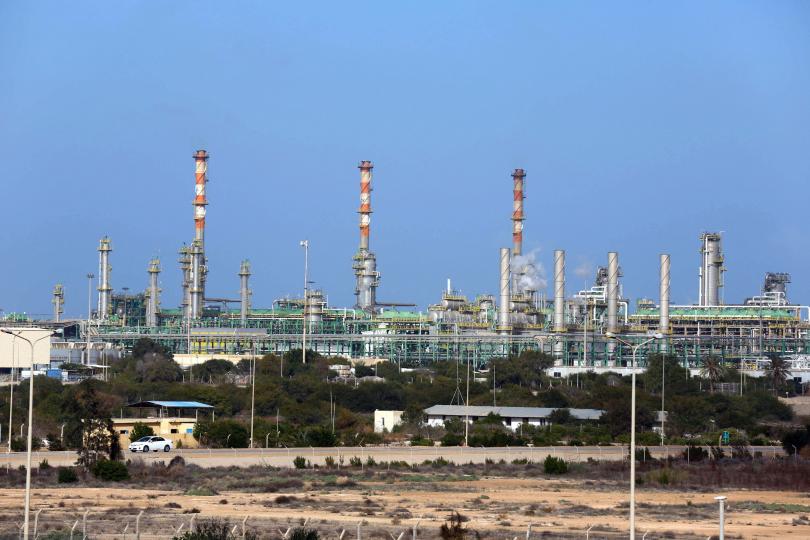
The latest clashes have renewed concerns about the state’s ability to maintain security, protect vital infrastructure and guarantee freedom of movement, with civilians continuing to bear the greatest consequences of the country’s prolonged instability.