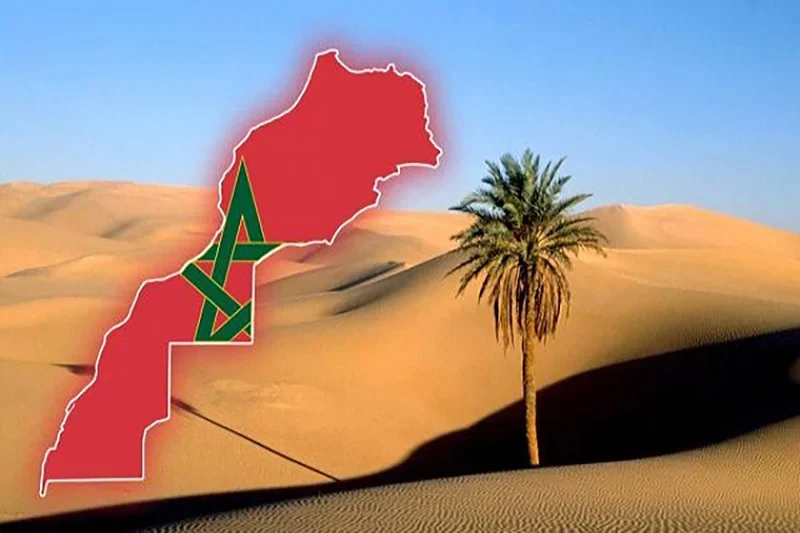
The US-drafted Security Council resolution on the Moroccan Sahara was not adopted on Friday due to a Russian veto. Yet, with 11 votes in favor and three abstentions – and only Russia voting against – the text highlighted a clear shift in positions inside the Council, placing Morocco’s autonomy initiative under Moroccan sovereignty at the heart of the search for a political solution.
Beyond the formal failure of the American text, the result demonstrates majority support for an approach that establishes the Moroccan autonomy plan as the foundation for negotiations aimed at a political settlement.
One of the main lessons of the vote is the place now accorded to this initiative.
It is no longer treated merely as one option among others, but as the central, even exclusive, frame of reference for talks.
This evolution continues the diplomatic momentum launched by Resolution 2797 and strengthens the position defended by Rabat in international forums.
The fact that eleven members of the Security Council backed the US project, despite the Russian veto, gives this orientation political weight that is difficult to ignore.
The American draft also contained proposals for reforming the peacekeeping mission known as MINURSO, including a change of name to become the UN mission in the Sahara MINUSO and a revision of its mandate.
It further called for including other Sahrawis instead of limiting talks to the Polisario.
The Russian veto prevented formal approval, but it did not erase the eleven votes of support or the political significance of that majority. The vote confirms that the Sahara question is entering a new phase, in which discussion increasingly focuses on the modalities of a political settlement, the central place of Morocco’s autonomy initiative, and the adaptation of UN mechanisms to a reality that has profoundly changed since 1991.