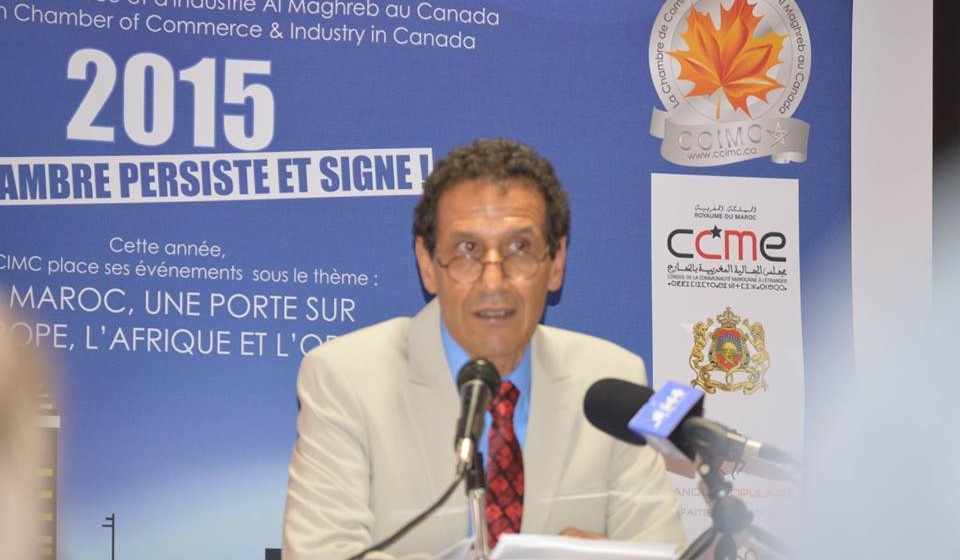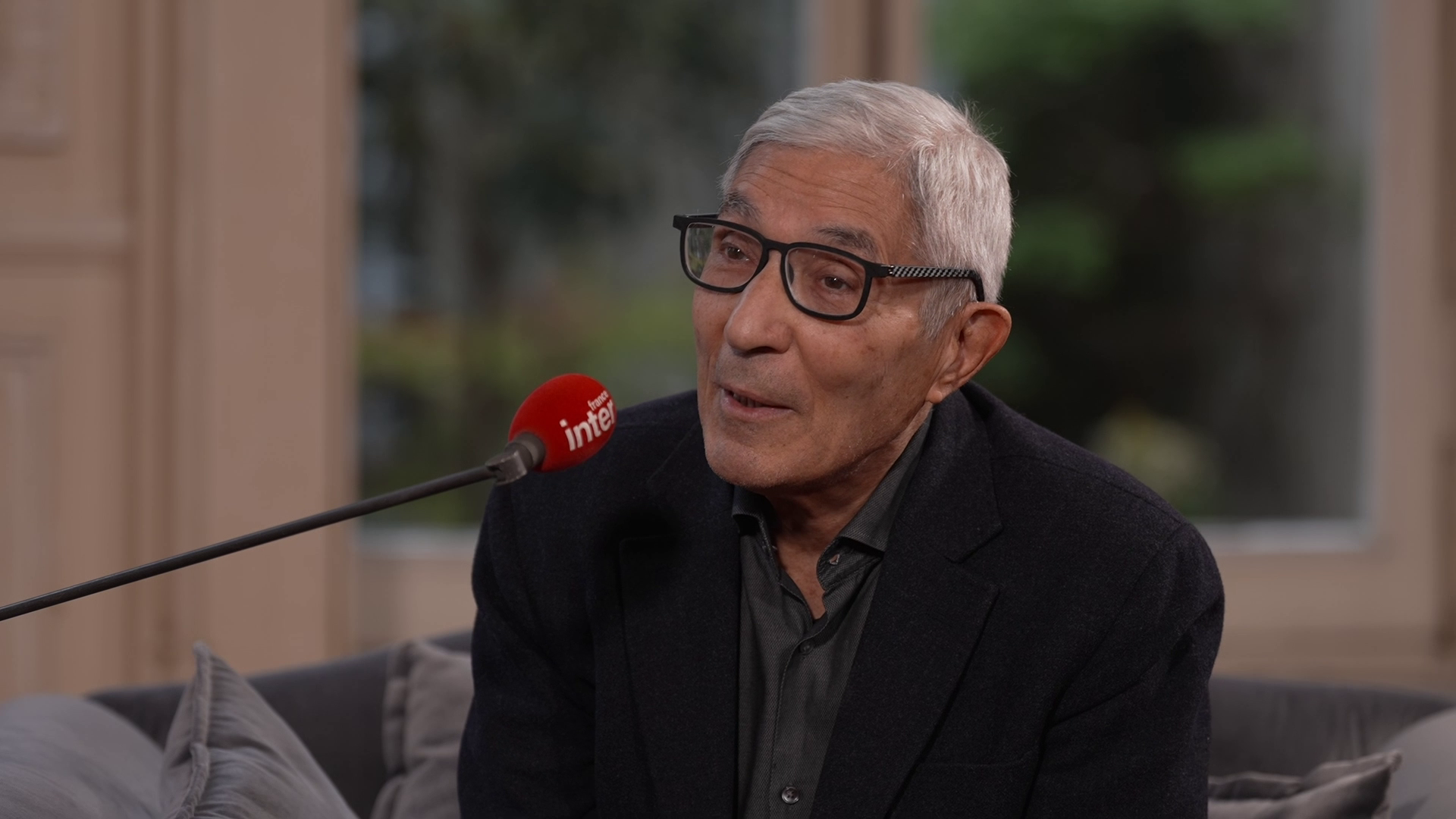
In a sharply worded op-ed published on 29 October 2026, the Franco-Algerian writer and intellectual Boualem Sansal argues that Morocco has decisively outpaced Algeria in the long-running contest for regional leadership and influence across Africa.
The OP-ed published by le350, frames the rivalry between the two North African neighbors as an ongoing “match without a final whistle” played out on the African continent.
Sansal contrasts what he calls Algeria’s defensive posture and reliance on hydrocarbon rents with Morocco’s pragmatic, outward-looking strategy of connectivity, diplomacy, and soft power.
Sansal describes Algerian diplomacy as largely reactive and rooted in outdated cold-war rhetoric, remaining “prisoner of an obsessive prism.”
By contrast, he credits Morocco – under royal impetus- with making Africa the cornerstone of its foreign policy through dozens of royal visits, a cascade of sectoral agreements, and a focus on shared development.
He highlights how Rabat has turned the Sahara issue from a defensive constraint into an offensive tool for continental integration, citing the royal Atlantic initiative aimed at Sahel countries as a key example.
The result, according to the writer, is that Morocco has secured key diplomatic strongholds and become an indispensable interlocutor for major powers, while Algeria contemplates its own “strategic isolation.”
On the economic front, Sansal portrays Algeria’s model as a “counter economy” heavily dependent on gas and oil revenues that leaves the country vulnerable to price fluctuations and limited in its ability to project economic champions abroad.
Morocco, lacking such natural resource windfalls, has compensated with logistical headway and industrial ambition, he writes.
Key assets cited include world-class infrastructure such as the Tanger Med port and financial hubs, aggressive expansion of Moroccan banks, telecom operators, and insurance groups across sub-Saharan Africa, and growing strengths in automotive, aeronautics, and future-oriented industries.
“Morocco does not suffer African globalization. It drives it,” Sansal said.
The writer also points to culture, media, sport, and the training of African elites (medical, military, and religious) as arenas where Morocco consistently scores points.
Thousands of African students trained in Moroccan universities, combined with successful sports diplomacy and the hosting of major continental and global events, have helped build a desirable and modern “country brand,” he notes.
Algeria’s administrative opacity, unfulfilled bravado, territorial access restrictions, and often rigid cultural discourse struggle to appeal to younger, globally connected African generations, according to the analysis.
While acknowledging that Algeria retains significant short-term financial firepower thanks to its hydrocarbons, Sansal insists that Algeria is managing a structural decline in influence.
Morocco, he argues, has grasped that 21st-century power is measured not by barrels of oil underground but by a country’s capacity to connect, innovate, and inspire.
“By choosing projection where Algeria has chosen withdrawal, Morocco is unquestionably imposing itself as the great architect of West African dynamics,” Sansal writes.