The Alqaeda-linked JNIM terrorists and Tuareg separatists have joined forces in a series of tactical attacks on the capital Bamako and several localities in Mali’s desert north, a region long treated by Algeria as a buffer zone to export terrorist activities.
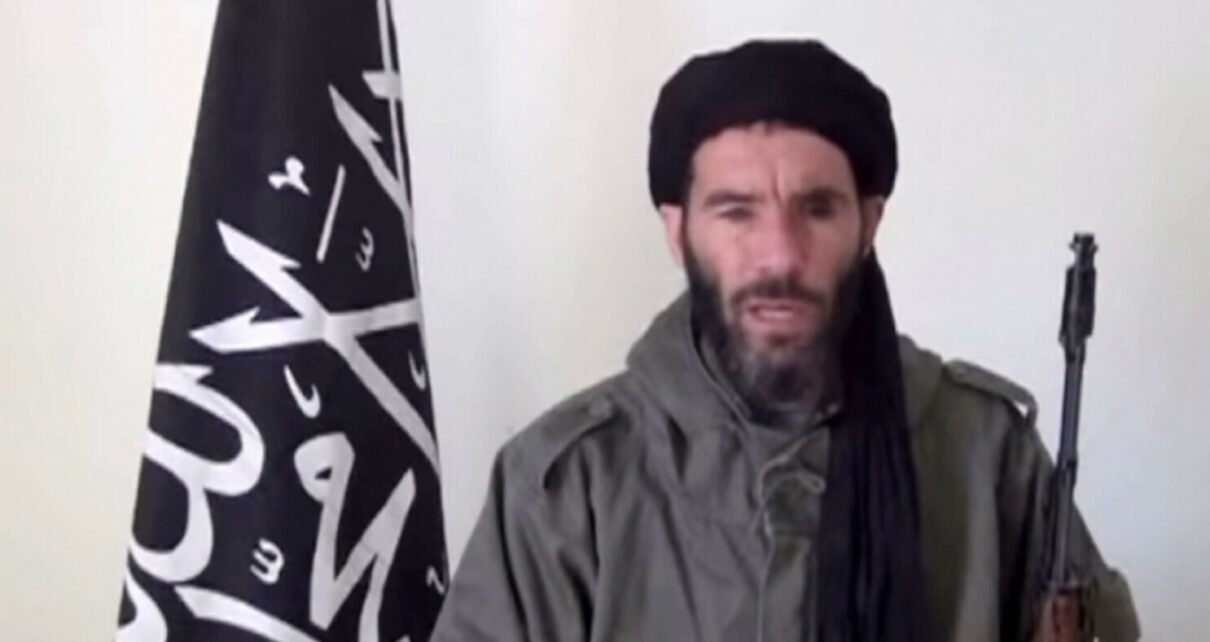
Led by Iyad Ag Ghali, the JNIM, is an offshoot of Al Qaeda in the Maghreb, a historically Algerian-led terrorist group.
Iyad Ag Ghali has for long moved freely throughout southern Algeria, an area that men in uniform in Algiers claim to have cleared of terrorism. This has raised more questions than answers regarding the role of Algeria in offering terrorist leaders and groups a safe haven to unsettle neighbors. The accusation was formally made by Mali’s foreign minister a few days ago in Dakar.
The new wave of coordinated attacks across Mali came to highlight once again Algeria’s role in Sahel insecurity.
Algeria, separatists and terrorists connivence
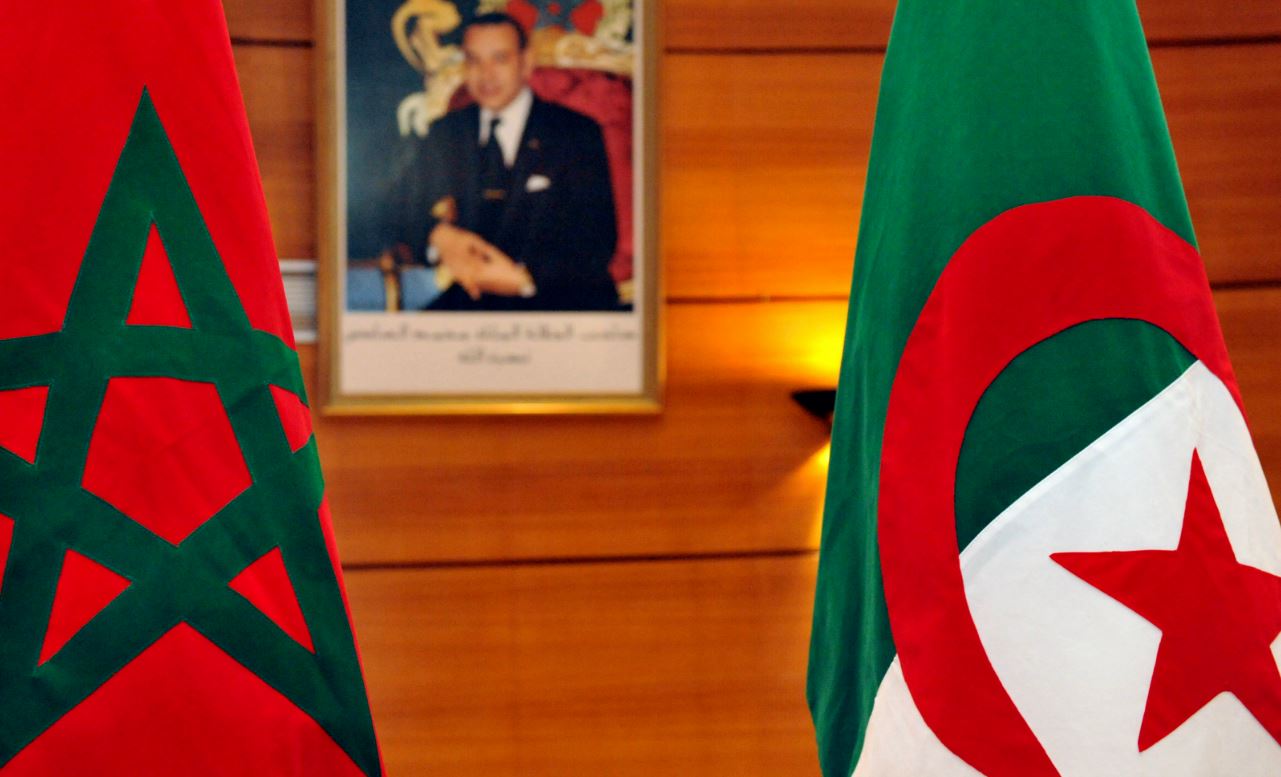
The attack came just few days after Mali backed Morocco’s sovereignty over the Sahara territory and withdrew recognition of Algiers’ proxies, the polisario.
Mali’s military said it was repelling “terrorist groups” following assaults in Bamako, Kati, Gao, Sévaré, Mopti and the northern city of Kidal. The scale of the violence was described by analysts as the largest coordinated jihadist operation in years.
Against the backdrop of the fighting, Mali’s military rulers have on multiple occasions accused neighboring Algeria of backing terrorist groups operating on Malian territory.
Algeria saw in the Sahel a dumping ground of its own battle-hardened and homegrown terrorists after the black decade.
Algeria’s security doctrine has resulted in what it characterizes as managed instability, allowing Algiers to shape outcomes in neighboring states while preventing large‑scale violence from spilling onto its own territory.
Algerian intelligence services have long infiltrated jihadist and separatist networks, including groups linked to al‑Qaeda in the Islamic Maghreb (AQIM). Armed groups were allegedly tolerated so long as they did not target Algeria directly. This approach amounted to a form of proxy influence, even without formal command, financing or public sponsorship.
A US diplomatic cable, released by WikiLeaks in 2010, reported that Algerian intelligence had deeply infiltrated AQIM and preferred containment and intelligence‑led management of jihadist threats over direct military intervention.
The renewed fighting and competing accusations come as some members of the US Senate and House of Representatives are examining proposals related to designating the Polisario Front as a terrorist organization. Supporters of the initiative say the Polisario maintains links to armed actors in the Sahel and is backed by Algeria.