Algeria used a UN food security forum in Mauritania last week to present itself as a continental reference on agricultural sovereignty, but recent data from international institutions point to a widening gap between its diplomatic rhetoric and domestic realities.
Addressing the 34th FAO Regional Conference for Africa, the Algerian minister of agriculture highlighted South‑South cooperation, climate resilience, innovation and what he described as Algeria’s ability to “accompany African partners” in strengthening food security.
However, assessments by the UN Food and Agriculture Organization (FAO) and the World Bank suggest that Algeria remains highly dependent on food imports, particularly cereals, dairy products and vegetable oils, a structural vulnerability that complicates its claim to leadership on food sovereignty.
In its January 29, 2026 country brief, the FAO stated that Algeria is “structurally dependent on food imports,” noting that more than 70% of the wheat consumed domestically in 2025 was imported.
Cereal import requirements for the 2025–2026 season are estimated at 14.6 million tonnes, around 8% above the five‑year average, with wheat accounting for most of those purchases. Maize imports are projected at 5 million tonnes, 16% above average.
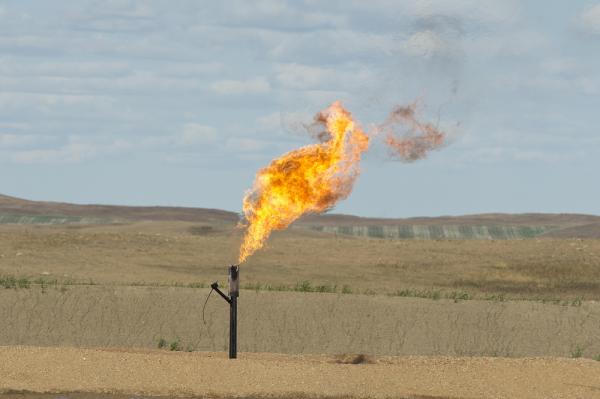
The World Bank, in a December 2025 update on Algeria’s economy, reported rising imports alongside declining hydrocarbon exports, placing pressure on external balances. Analysts note that oil and gas revenues continue to finance food imports, underscoring the persistence of a rent‑based economic model beneath official discourse on agricultural autonomy.
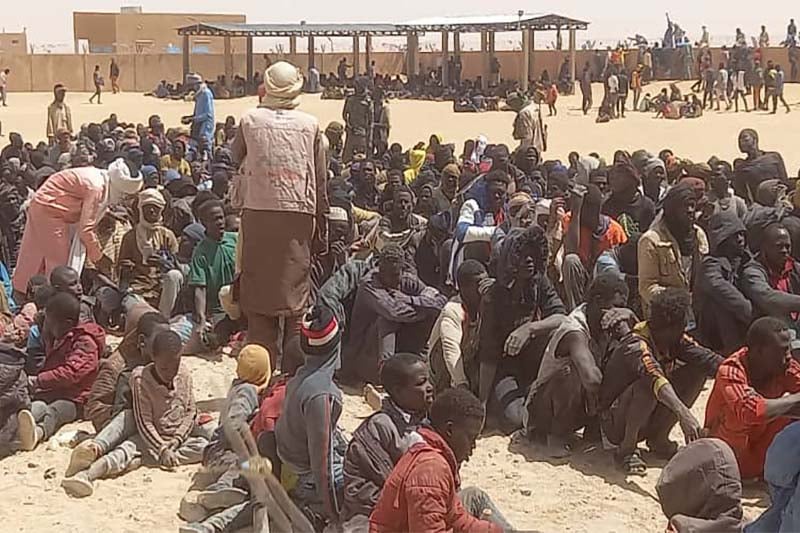
The Global Nutrition Report shows no improvement in anaemia among women of reproductive age, affecting 33.3% of the population in 2025. The FAO‑led SOFI 2025 report warned that access to healthy diets deteriorated for around 10% of children, with malnutrition indicators worsening.
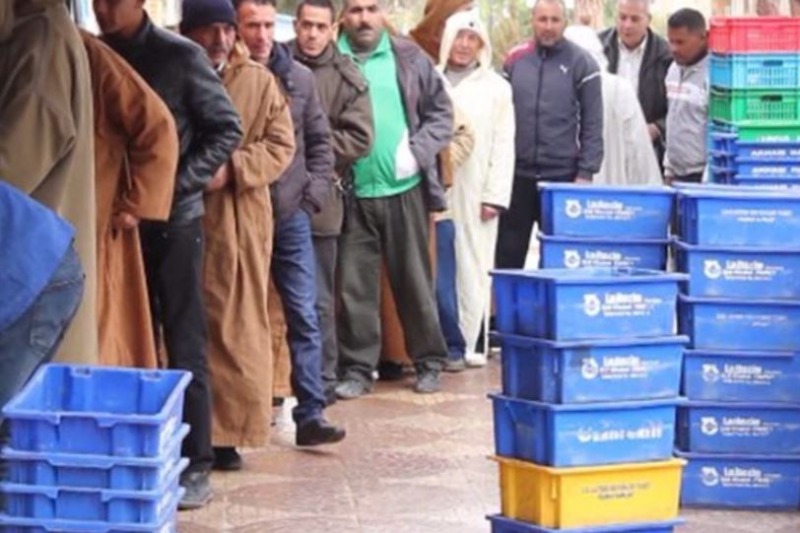
Shortages of basic goods have repeatedly tested supply chains. Cooking oil, subsidized milk and potatoes have all been subject to rationing, emergency imports or price controls since 2021. Subsidized milk, reliant on imported powdered milk, remains a recurring pressure point, according to both local media and international observers.