Escalating geopolitical tensions in the Middle East have severely disrupted global fertiliser markets, triggering supply shortages and rising prices that threaten agricultural production and food security, particularly in emerging economies. In this context, Morocco, a global fertilizer market mover, has been approached to plug in the deficit.
Concentration of key fertilizer ingredients in the Gulf region, combined with maritime disruptions in the Strait of Hormuz, has sharply curtailed supplies and driven up costs.
Around 30% of global nitrogen fertiliser shipments transit through the strategic waterway of Hurmuz.
Gulf countries, which account for nearly half of global sulphur production, one third of urea output and a quarter of ammonia supply, have seen several industrial facilities suspend operations following military strikes.
Major exporters including Saudi Arabia, Qatar and the United Arab Emirates have reduced deliveries, exacerbating shortages, the magazine said.
At the same time, China, another key player, has maintained export restrictions to protect its domestic market, further tightening global supply.
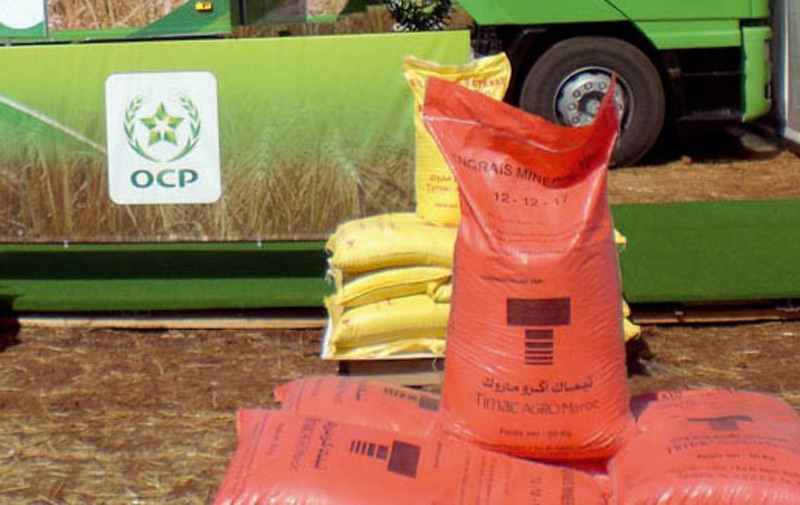
Against this backdrop, Morocco has emerged as a reliable alternative supplier. Backed by phosphate reserves representing about 70% of known global resources and a geographic position outside conflict zones, the kingdom has increased fertiliser exports to the United States, Latin America, Europe and Africa.
The American think tank Middle East Forum said Morocco now plays an “indispensable role” in securing US supply chains, particularly after Washington classified phosphate and potash as critical minerals.
This strategic recognition has translated into concrete agreements. India has signed a long-term deal to import 2.5 million tonnes of Moroccan phosphate fertilisers to offset reduced Chinese exports.
However, Morocco’s fertiliser production remains partly dependent on key inputs such as ammonia and sulphuric acid, of which about 40% and 48% respectively are imported from the Gulf, exposing it to geopolitical risks.
To reduce that vulnerability, Morocco is investing around $14 billion in green hydrogen and green ammonia projects at Jorf Lasfar and Tarfaya, aiming to secure supplies and limit exposure to external shocks.
Reflecting the urgency to secure fertilisers amid turbulent markets, more than 40 US agricultural organisations in March 2026 called for the removal of countervailing duties on Moroccan fertilisers, arguing the measures were counterproductive during a period of global shortage.
US corn, wheat and soybean producers said the tariffs artificially inflate prices and hurt farmers, highlighting the pressure on Western countries to diversify supply sources.