Morocco will maintain subsidies for cooking gas and continue providing financial support to transport operators as international energy prices rise sharply amid escalating geopolitical tensions in the Middle East.
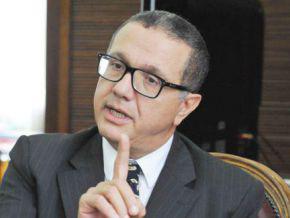
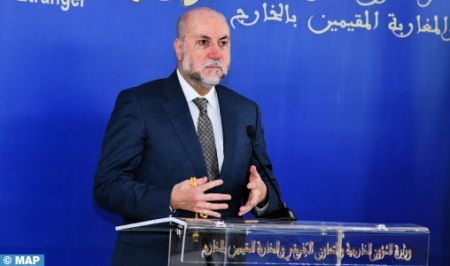
The decision was made by Prime Minister Aziz Akhannouch who chaired the first meeting of a ministerial committee tasked with monitoring the economic repercussions of the regional crisis and its impact on domestic prices, according to a statement from the Prime Minister’s office.
Government departments presented several scenarios outlining potential effects on Morocco’s economy in a global environment marked by heightened uncertainty.
The committee’s mandate is to anticipate risks, mitigate economic fallout and safeguard household purchasing power, the statement said.
It will meet regularly, and whenever needed, to adjust policy responses in line with evolving international conditions.
Among the first measures confirmed was the continuation of state subsidies for butane gas, widely used by households for cooking.
International butane prices have jumped by more than 68% since early March, the government said, adding that retail prices of gas cylinders will remain unchanged.
The Moroccan government also decided to maintain support for electricity tariffs to keep consumer prices at current levels.
Morocco is particularly exposed to volatility in energy markets as it relies entirely on imports of refined fuel, including diesel, after its only oil refinery ceased operations in 2015.
Rising crude prices, tighter refining margins and higher shipping and insurance costs linked to Middle East tensions have pushed diesel prices higher on global markets in recent weeks, traders say.
Diesel is the most widely used fuel in Morocco, especially in transport, agriculture and logistics. The country fully liberalised gasoline and diesel prices in December 2015, ending direct subsidies and allowing domestic prices to track international markets.
In response to higher fuel costs, the government announced the launch of an exceptional program of direct financial assistance for freight and passenger transport operators. The aid covers the period from March 15 to April 15 and follows the processing of more than 87,000 applications submitted through a dedicated online platform.
The scheme applies to public passenger transport, rural and mixed transport services, freight hauliers, staff and school transport providers, tourist transport, towing services, as well as taxis and urban buses.
The government said the measures aim to ensure the continuity of transport services and prevent fare increases for consumers, stressing that beneficiaries must comply with existing tariffs.