The ongoing war targeting Iran’s missile infrastructure and nuclear facilities is expected to significantly weaken Tehran’s ability to project power through allied armed proxies across the Middle East and North Africa, potentially reshaping regional conflicts from the Sahara to the Red Sea.
US and Israeli strikes over recent months have damaged key elements of Iran’s ballistic missile production, drone programs, and sensitive nuclear facilities, according to Western officials and think tanks.
The impact is likely to extend beyond Iran’s borders by constraining the financial, logistical, and operational support Tehran provides to its network of allied forces.
Those groups include the Houthis in Yemen, Lebanon’s Hezbollah, Iran-backed militias in Iraq, and the Algeria-based Polisario Front in North Africa, all of which US lawmakers increasingly view as part of a coordinated Iranian proxy architecture.
In Congress, bipartisan legislation introduced in 2025 requires the State Department to examine whether the Polisario Front, an Algeria-backed separatist group, qualifies for designation as a foreign terrorist organization due to alleged links with Iran and Hezbollah.
Lawmakers led by Joe Wilson and Senate members spearheaded by Ted Cruze argue that curtailing Iran’s military capabilities could limit its reach into North Africa and reduce support to groups operating beyond the Middle East.
“The degradation of Iran’s missile and drone capabilities directly affects its proxies’ ability to escalate conflicts,” Senator Ted Cruz said during hearings earlier this year, warning that Tehran’s regional strategy depends heavily on asymmetric warfare through allied groups rather than conventional force.
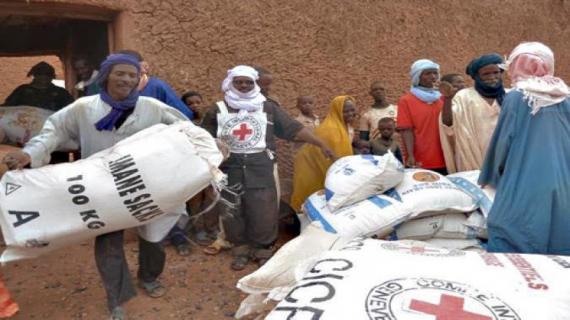
The effects are already being closely watched in Yemen, where Iran-backed Houthi forces entered the current phase of regional conflict by launching missile and drone attacks linked to Tehran’s confrontation with Israel. Israel has vowed a severe response, raising alarm among Yemenis, whose country the United Nations describes as facing the “worst humanitarian crisis in the world”.
More than 80% of Yemen’s population depends on humanitarian aid, and UN agencies warn that renewed escalation could deepen economic collapse and push millions closer to famine. Instead of helping Iranians face a dire humanitarian crisis, Iran invests in instability by arming and using the Houthis to unsettle regional peace and global security.
The Hoover Institution has cautioned that sustained Houthi attacks in the Red Sea risk provoking international military action, threatening maritime trade and further weakening Yemen’s shattered economy at a time when Iranian support may be increasingly constrained.
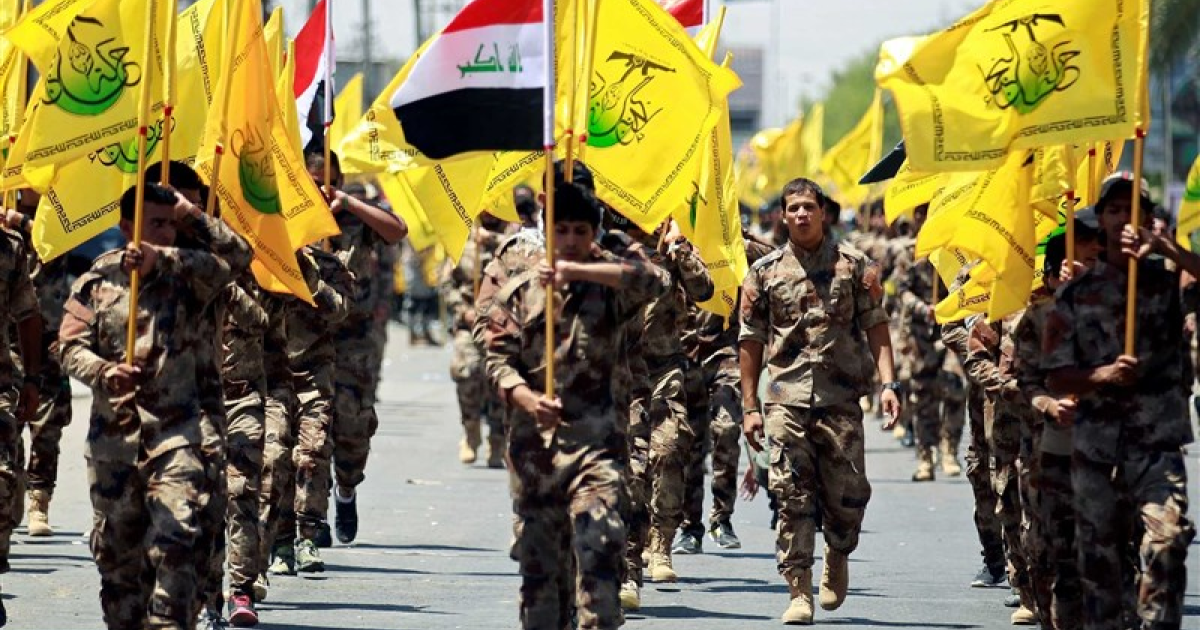
Similar dynamics are unfolding in Lebanon and Iraq. Hezbollah’s entry into direct hostilities with Israel this month has prompted intense Israeli strikes, while Iranian-aligned militias in Iraq have continued attacks on U.S. facilities. Analysts at the Washington Institute and Foreign Policy say damage to Iran’s strategic capabilities could limit its ability to replenish weapons, finance operations, and coordinate its proxies over time.