As the US leads efforts to facilitate negotiations on the Sahara on the basis of the Moroccan autonomy plan, Algeria’s diplomatic posture is shifting in ways that reveal deeper strategic anxieties about its quest to keep the status-quo of unjust colonial borders drawn to the detriment of Morocco.
Beyond the status of the Sahara territory, Algiers’ participation in the US-sponsored talks reflects a more existential concern for the regime to secure the post-colonial borders inherited from France, a longstanding and sensitive pillar of Algerian statehood, that is at the heart of its sponsorship of separatism in southern Morocco.
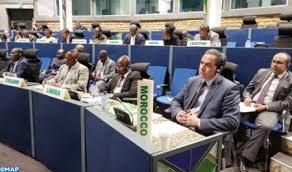
Breaking with a stalled exclusive UN-led process, Washington has now taken the lead, convening Morocco, Algeria, the Polisario and Mauritania for a second round of talks in Washington on Feb. 23-24.
The negotiations are anchored in Morocco’s autonomy plan following a UN Security Council Resolution that called the autonomy plan as “the most feasible” solution.
Analysts at the Washington Institute for Near East Policy say US pressure has already yielded a breakthrough in bringing Algeria to the table as a direct participant after years of insisting it was merely an observer. Congressional threats to sanction Algeria for arms purchases from Russia and to designate the Polisario as a terrorist organization also compelled Algiers participation, the institute notes.
But behind Algeria’s engagement lies the more delicate colonial border issue. Research by Sabina Henneberg and Souhire Medini of the Washington Institute underscores that the regime’s core fear is not the future of the Moroccan Sahara, but the possibility of reopening historical debates surrounding Algeria’s western frontier. They argue that Algiers’ participation is conditional on assurances that the Moroccan autonomy plan will not later embolden Rabat to raise claims on territories amputated by French colonialism from Morocco and attached to French Algeria.
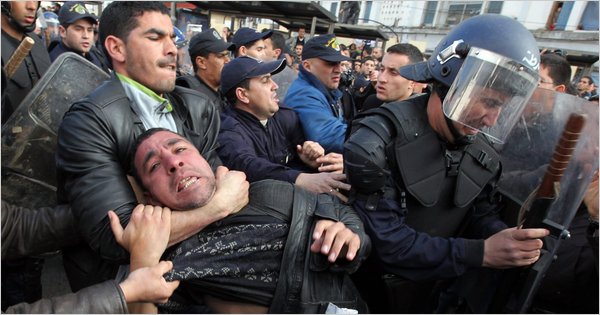
The arrest of Algerian writer Boualem Sansal after publicly stating that western Algeria once belonged to Morocco illustrates the desperation of an Algerian regime lacking historical legitimacy to justify control over vast swathes of historically Moroccan territory.
The issue of the borders could have been a mere administrative issue had Algeria responded to Morocco’s repetitive calls for open borders with freedom of movement of people and goods in an integrated market.