Morocco’s direct social aid system has reached a landmark scale, now supporting approximately 3.9 million families — over 12.5 million citizens — as the government shifts from ad hoc welfare approaches to a structured, data-driven model of social protection. Head of Government Aziz Akhannouch described the program as a qualitative turning point in addressing the needs of vulnerable populations.
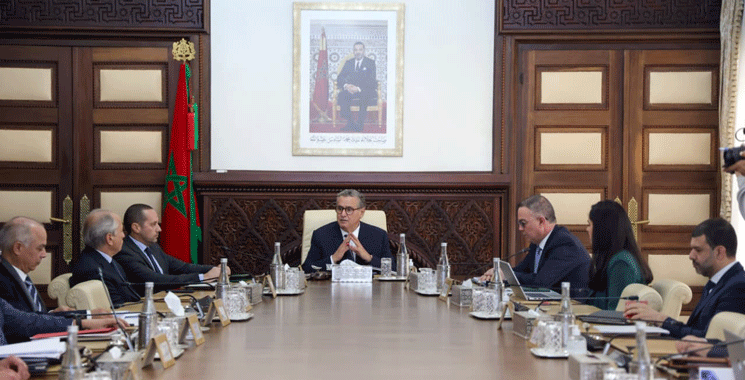
Speaking at a board meeting of the National Social Support Agency in Rabat, Akhannouch emphasized that the system represents a central pillar of Morocco’s broader social protection generalization strategy, launched under royal directives in late 2023. The program now delivers monthly aid ranging from 500 to 1,350 dirhams per family, with 5.5 million children from birth to age 21 and 1.7 million elderly citizens over 60 among its beneficiaries.
The Agency’s director general presented the 2025 performance review, highlighting key milestones including increased aid amounts and the operationalization of support for orphaned and abandoned children housed in social welfare institutions. The board also approved the 2026 action plan and examined the opening of a new territorial office in El Jadida province — part of a strategy to bring services closer to beneficiaries and transform social aid into a tool for economic empowerment rather than mere subsistence.
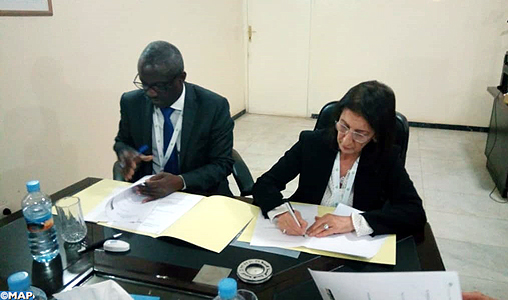
The meeting resulted in the adoption of several partnership agreements between the Agency and government ministries, public institutions, and international organizations, focused on promoting school enrollment, supporting employment for vulnerable populations, strengthening governance, and enabling electronic data exchange across public institutions.
A new performance monitoring mechanism was also approved to measure the program’s impact on poverty and vulnerability reduction. The framework reflects an evolving approach that views cash transfers not as an end in themselves but as a foundation for broader human development and socioeconomic integration of Morocco’s most disadvantaged communities.