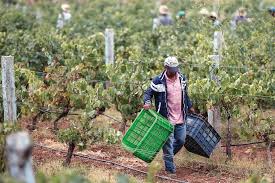
Morocco’s farming sector faces an acute labor shortage that industry leaders now characterize as more pressing than water scarcity, threatening harvests across multiple crops despite favorable rainfall boosting production. Agricultural employers struggle recruiting workers, particularly for seasonal employment essential to manual operations including harvesting, thinning, and crop maintenance.
Rachid Benali, president of the Moroccan Confederation of Agriculture and Rural Development, describes the situation as “very serious” with immediate harvest implications. Labor-intensive crops including market garden vegetables, citrus, fruits, and olives are most affected. Production losses, reduced cultivated areas, and significantly increased production costs result from insufficient workforce availability.
“This year, a significant portion of olive and citrus harvests risk not being collected due to labor shortages,” Benali warns. Some farms resort to exceptional arrangements like sharing harvests equally with workers or paying piece rates. Daily wages reach 250-300 dirhams without attracting sufficient workers. “This isn’t a salary question but a worker shortage,” Benali emphasizes.
Multiple factors drive the crisis. Prolonged drought cycles reduced rural work opportunities, pushing laborers toward cities where they rarely return. Major infrastructure projects, particularly in urban and suburban areas, offer more attractive salaries and stability compared to seasonal agriculture. “Rural areas are emptying of employment. We cannot find workers,” Benali notes, citing olive operations formerly employing 120-140 harvest workers now managing with only twenty.
Harvest timing delays affect product quality and commercial value. For olives, harvesting alone represents 40% of sale price—approximately 1.70-2 dirhams per kilogram against average selling prices of five dirhams. This equation threatens exploitation viability, particularly for smaller operations.
Proposed solutions include improved labor redistribution between regions, though surplus labor areas are increasingly rare. Other suggestions involve authorizing temporary worker housing similar to Spanish practices and increased reliance on sub-Saharan foreign workers already present in regions like Souss Massa. These options present significant legal and social challenges. Morocco appears headed toward European agricultural conditions: labor shortages, elevated salaries, and progressive loss of comparative advantage from labor costs.