The 2025 Africa Cup of Nations has not only showcased Morocco’s organizational success but also exposed a growing surge of conspiracy‑driven narratives among certain African football federations.
What began as made-up complaints escalated into a pattern of unverified accusations, particularly from Senegal, Egypt, and Algeria, even as Morocco received international praise for its hosting standards.
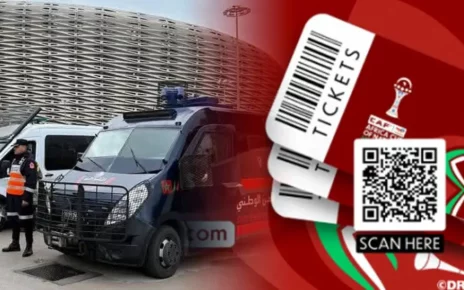
In the build‑up to the final, the Senegalese Football Federation issued a statement alleging inadequate security during the team’s arrival by train in Rabat, claiming players were exposed to risks due to crowd congestion.
Independent reporting, however, showed that the players were surrounded largely by enthusiastic supporters seeking photos and greetings, with no documented security breaches or criminal incidents.
Firstpost noted that the scene involved excited fans pressing for selfies rather than any form of targeted threat. The federation also protested hotel arrangements and the proposed training venue, later confirming that a five‑star hotel was ultimately provided and CAF was reviewing the training‑site allocation after the team rejected the Mohammed VI Complex on grounds of “sporting fairness.”
Despite the sharply worded communiqués, Senegal’s political leadership conveyed a markedly different tone. During an official visit to Rabat, Senegal’s Minister of African Integration praised the strength of Moroccan‑Senegalese relations and urged sportsmanship.
This diplomatic alignment underscored the discrepancy between political relations and the rhetoric circulating within Senegal’s football apparatus.
The situation escalated further during the AFCON final, when Senegal coach Pape Thiaw ordered his players off the pitch for more than ten minutes after a VAR‑awarded penalty to Morocco, creating an extraordinary and unprecedented stoppage on the continental stage.
Analysts observed that such actions reinforced the narrative of grievance and contributed to the perception of coordinated provocation claims rather than genuine competitive disputes.
Senegal was not the only federation to adopt this tone. After Egypt’s elimination, coach Hossam Hassan repeatedly claimed unfair treatment, hinted at hidden agendas, and described rival nations as “jealous,” sparking backlash from Egyptian analysts who labelled the rhetoric as unfounded and harmful to the country’s sporting image.
Algeria’s reaction to its quarter‑final defeat to Nigeria followed a similar pattern, with a Spanish outlet characterizing Algerian media and political commentary as a “surreal wave” of conspiracy theories attempting to link Morocco to the team’s exit despite match data clearly favoring Nigeria.
Morocco’s response throughout the rising speculation focused firmly on defusing conspiratorial narratives. National team coach Walid Regragui dismissed allegations of referee favoritism and described such claims as a longstanding phenomenon in African football.
He emphasized that Morocco itself had multiple refereeing decisions go against it during the tournament and urged both journalists and fans to prioritize factual reporting and sporting analysis.
As Morocco raises the bar in infrastructure, logistics, and sporting delivery, tensions among rival federations appear to manifest more readily as accusations of unfairness rather than technical or performance‑based assessments.
The 2025 AFCON thus revealed not just football excellence on the pitch but a widening gap between evidence‑based analysis and emotionally charged conspiracy narratives circulating among some of the continent’s football circles.