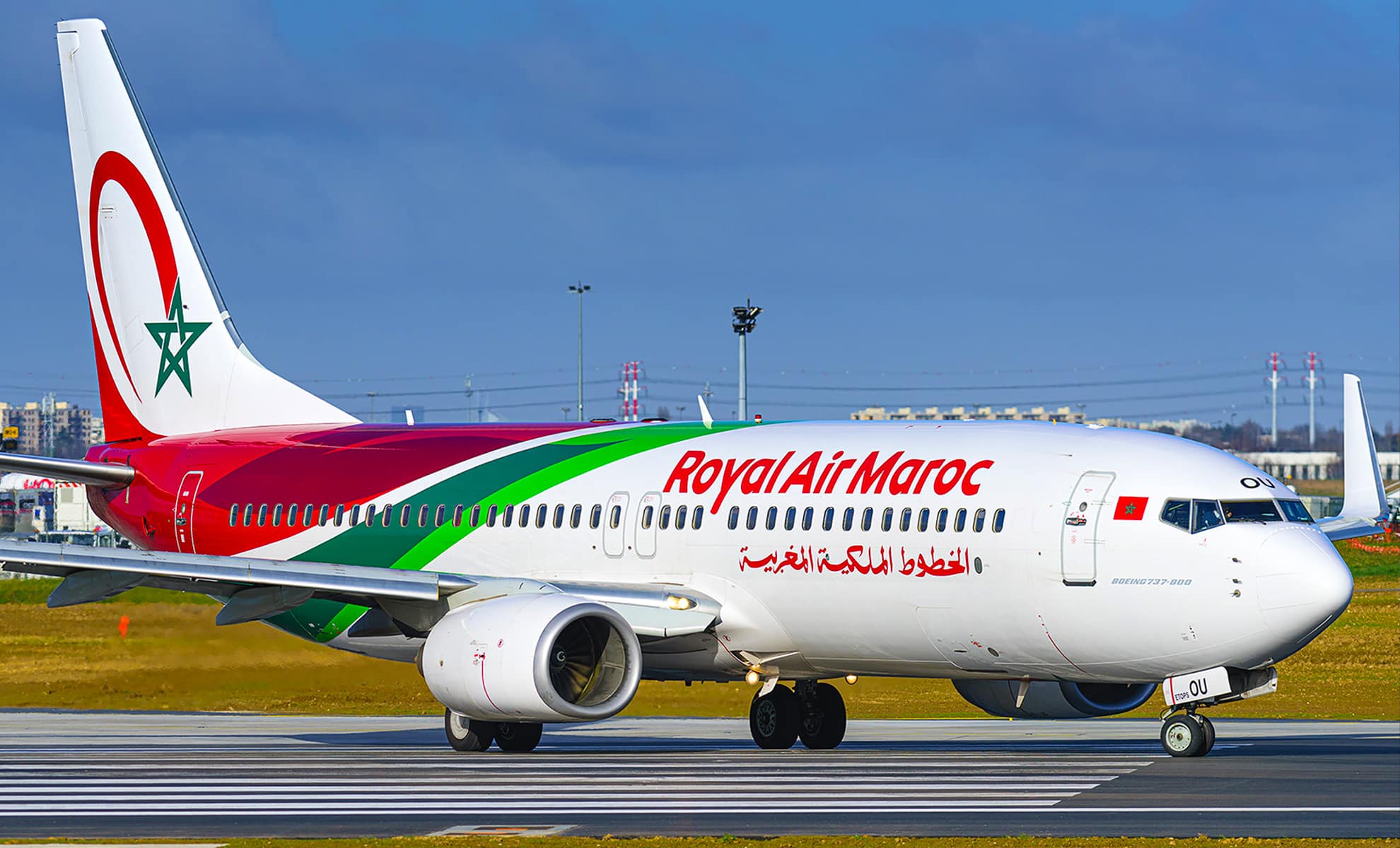
Royal Air Maroc achieved “very positive” results for 2025 despite ongoing supply chain challenges, with plans to acquire or lease between 12 and 15 aircraft annually as part of its expansion strategy, CEO Hamid Addou announced Tuesday in Rabat.
Speaking at the closing press conference of the 58th Arab Air Carriers Organization annual assembly, Addou reported significant growth encouraging continued investment in fleet strengthening and renewal, though specific financial figures were not yet available.
The national carrier is advancing a tender process involving Boeing, Airbus, and Embraer for new aircraft acquisitions. The operation combines purchases and leases to accompany company growth amid persistent supply chain tensions, though delivery timelines are gradually improving following post-COVID disruptions.
RAM is exploring multiple financing avenues including traditional bank financing, incentive tax mechanisms, and potential Moroccan fund interventions to support its growth and modernization strategy.
The airline continues developing its international network through consolidating existing routes and progressively opening new destinations. Recent enhancements include strengthened service to Miami, Dubai, and Washington. African coverage now reaches approximately 75%, with particular attention to East and West Africa.
Following the successful Casablanca-São Paulo route launch, RAM aims to reinforce its North and South American presence while pursuing Middle East expansion—a strategic market given cultural, diplomatic, and tourism ties with Morocco.
AACO Secretary General Abdul Wahab Teffaha noted that achieving a unified Arab aviation market works as Europe remains relevant but challenging due to political constraints and multiple required inter-state agreements. However, the region advances toward progressive integration through comprehensive air agreements between the European Union and several Arab countries including Morocco, Jordan, and Qatar.
Arab carriers benefit from strategic geographic positioning conducive to developing major international hubs, sustained government investment in airport infrastructure, and deeply rooted hospitality culture, according to Teffaha.
The 58th AACO annual assembly gathered over 300 leaders from Arab and global aviation sectors, including member airline CEOs, partner carriers, manufacturers, and representatives from regional and international organizations.