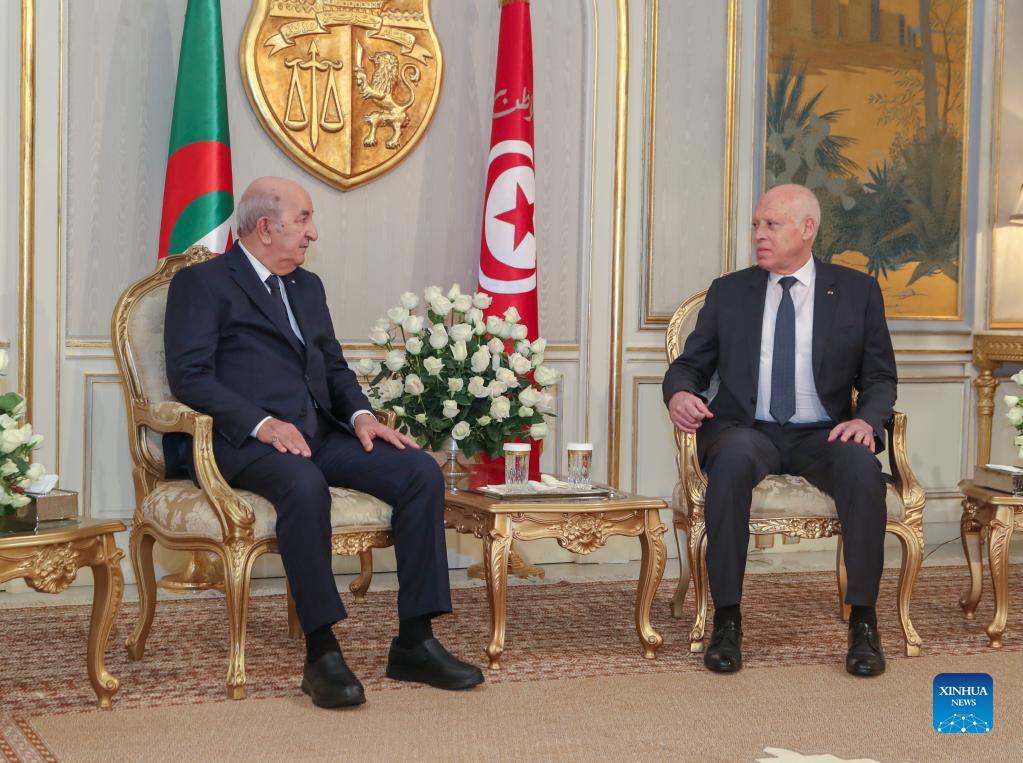
Algeria’s shaky regime grips Tunisia like a lifeline, preferring a compliant neighbour to a competitive one; it now treats the country as a de facto wilaya and backs Kaïs Saïed’s tenure to keep Tunis under its influence, says the NY-based Geopolitics magazine.
Algeria is locked in an archaic rent-seeking system nurtured by anti-Moroccan nationalism. It has every incentive to keep Tunisia precarious and compliant so it never outshines, or constrains, Algiers, underlines the academic journal.
Since 2011, Algeria’s military leadership has sought to suppress Tunisia’s democratic trajectory and to obstruct economic freedom, structural reform, and external openness; as regional diplomacy gathers momentum, its unease intensifies, adds TGP analysis.
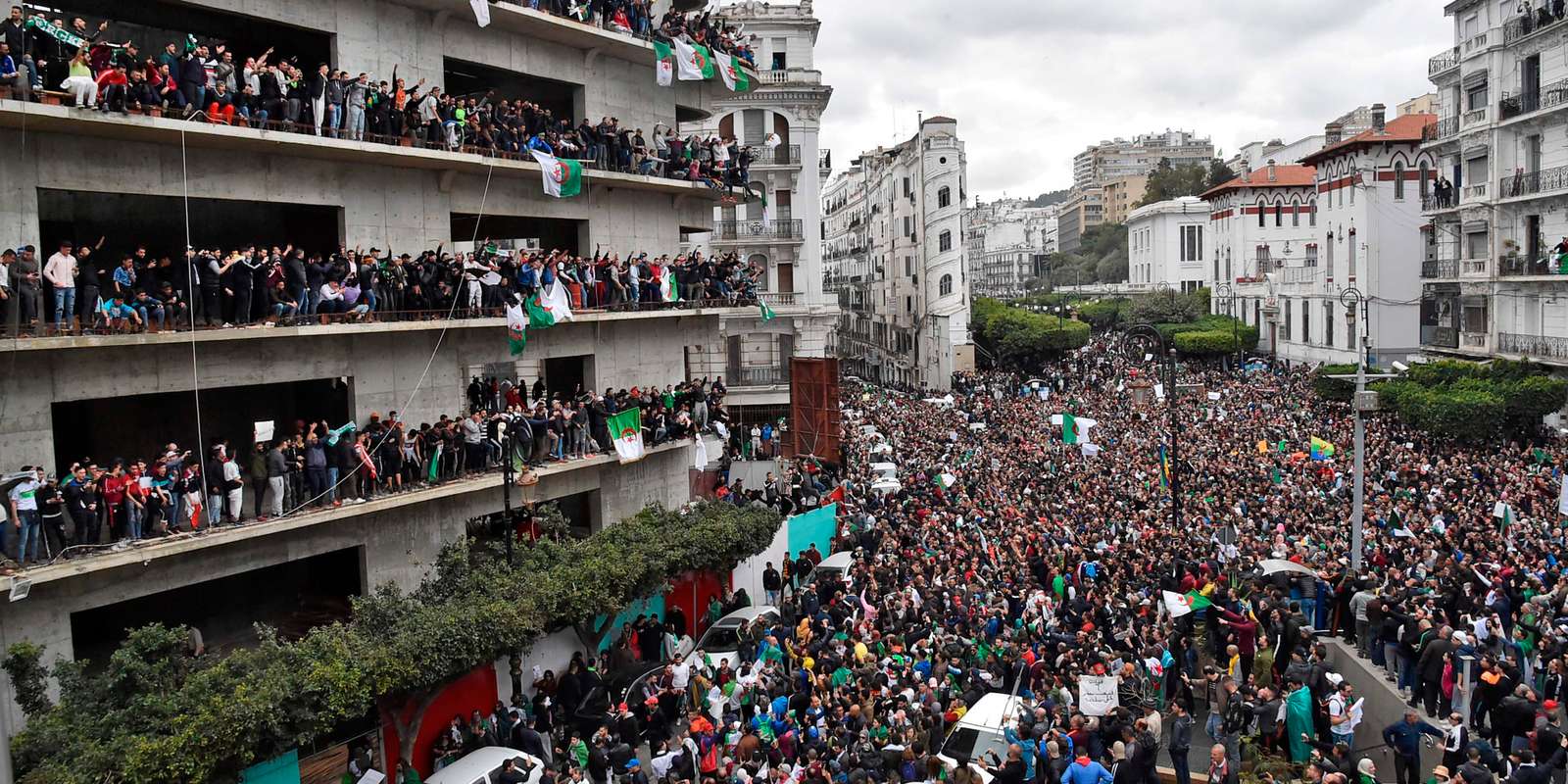
Algiers faces a regime dilemma: real reform means dismantling opaque rent networks that secure elite power; refusing reform accelerates decay. The result is visible drift into decline, fear of scrutiny, fear of its citizens, and a brittle equilibrium that could snap from internal pressure or from aftershocks of Tunisia’s crisis, explains the magazine.
The anger rising in Tunis mirrors the frustration simmering in Algiers; when pressure builds in parallel, collapse comes in waves. A decade after the Jasmine Revolution, the democracy promise is slipping away.
Tunisia stands at a dangerous crossroads, economically bankrupt,
politically repressed, and diplomatically adrift.
Under President Kaïs Saïed’s authoritarian turn, a country long known for measured diplomacy and a pro-Western orientation, has tilted toward Algiers, departing from its traditional neutrality on “Western Sahara”, by siding with Algeria’s support for the Polisario and granting head-of-state protocol to Brahim Ghali.
This shift erodes Tunisia’s strategic autonomy, narrows its economic options, and weakens the region’s peace-through-prosperity architecture precisely when North Africa most needs openness, integration, and reform, says the TGP magazine.
With the return of Donald Trump to the White House, Washington is now focusing on ending conflict and building a common future based on peace and prosperity, underlines the magazine specialized in international relations.
However, even with sustained U.S. engagement, early gains will likely be provisional rather than transformative, warns the publication, saying in this regard that Algeria’s generals may flirt with AFRICOM ties and U.S. energy deals and even feign flexibility on “Western Sahara”, but their legitimacy is built on anti-Moroccan nationalism, making any thaw fragile and easily reversed.
To turn a pause into a durable peace, the Magazine says Washington should break the Algerian junta grip on Tunisia and bring this country into the equation as the stabilizing third pillar.
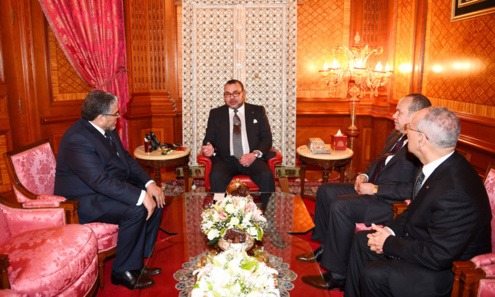
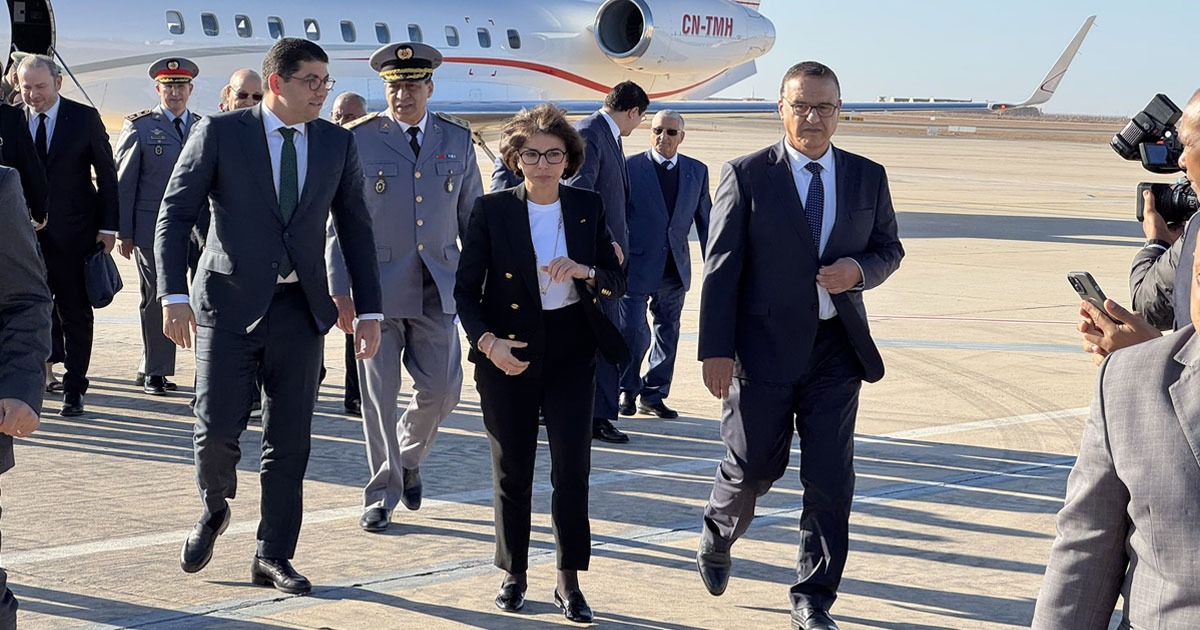
A Tunis–Rabat axis, rooted in reform and openness, could form the
backbone of a renewed North African partnership that works hand-in-hand with the United States. Together, they can anchor a new arc of cooperation linking security coordination, investment flows, and innovation across the region.