Morocco recorded a dramatic 63% increase in foreign direct investment during the first quarter of 2025, signaling robust investor confidence in the kingdom’s industrial transformation and strategic positioning as a nearshoring hub for European markets.
According to Investment Minister Karim Zidan, Morocco attracted over 9.15 billion dirhams ($992 million) in net FDI flows by March 2025, while revenues reached approximately 12.97 billion dirhams ($1.2 billion), jumping 24.6% from the previous year’s first-quarter figures.
The surge follows what officials described as the second-best year in Morocco’s investment history in 2024, with net FDI flows totaling 16.29 billion dirhams—52% higher than 2023 levels. This sustained growth pattern reflects the success of strategic reforms and targeted sectoral development initiatives.
Industrial and renewable energy projects drive the current investment wave. Economist Mohammed Jadri attributes the performance to “a combination of greenfield operations and industrial extensions, particularly in automotive and equipment sectors, alongside major port and logistics contracts.” The momentum includes substantial capital flows into renewable energy projects and infrastructure development.
Morocco’s improved business climate stems from multiple reforms including digitalization of procedures, establishment of one-stop investment windows, and targeted sectoral incentives. The nearshoring phenomenon—European companies relocating production closer to their markets—particularly benefits Morocco due to its proximity to the EU and competitive production costs.
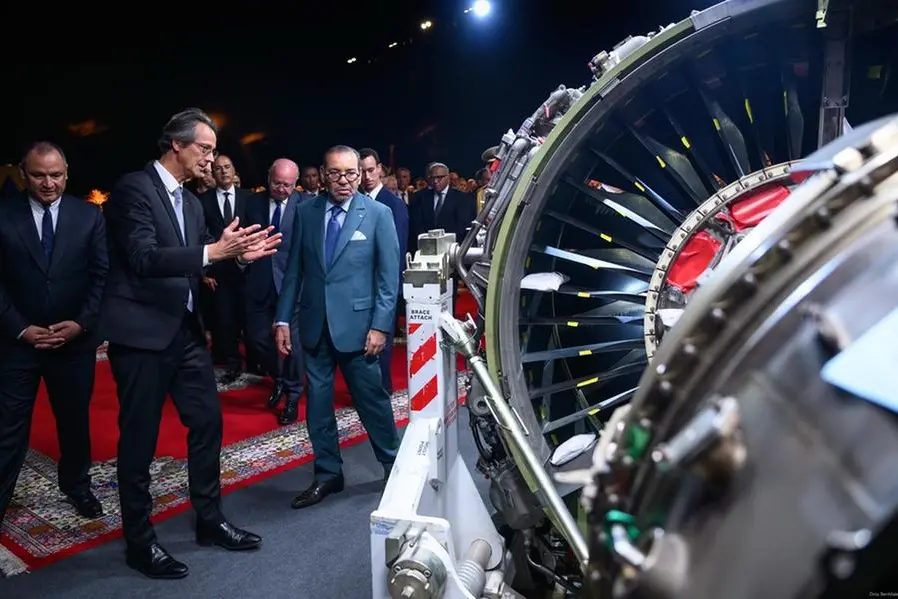
The automotive sector leads exports thanks to manufacturers like Renault and Stellantis, alongside 250 international companies, while other priority sectors include aeronautics, electronics, agribusiness, pharmaceuticals, textiles, and offshoring, with renewable energy achieving strategic importance at over 40% of the national energy mix.
Major infrastructure projects enhance Morocco’s investment appeal. Facilities like Tanger Med port, the upcoming Nador West Med platform, and expanding rail and highway networks strengthen the kingdom’s position as a regional industrial and logistics hub. These developments reduce logistics costs and increase supply chain reliability, sending credibility signals to international investors.
Employment impacts vary regionally, with industrial clusters in Tangier and Kenitra benefiting from complete automotive ecosystems including assembly plants and technical training centers. However, challenges remain in ensuring broader geographic distribution of investment benefits through active training strategies and support for local small and medium enterprises.
Looking ahead, Morocco faces intensifying competition from other African nations improving their investment climates. Egypt, Kenya, and Senegal are establishing free zones and offering competitive fiscal packages. Morocco’s differentiation through superior logistics chains, regulatory frameworks, and free trade agreements will prove decisive in maintaining its competitive edge.