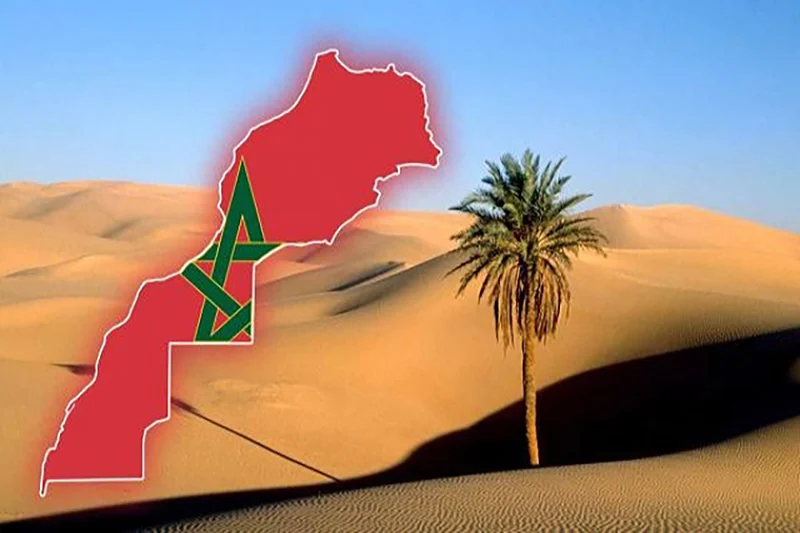
When there is only one offer on the UN negotiating table, there is one way to go. This is true for the Algerian regime, the main stakeholder in the Sahara conflict. It is urged to negotiate peace terms on the basis of Morocco’s autonomy plan offered for the Sahara or face international sanctions.
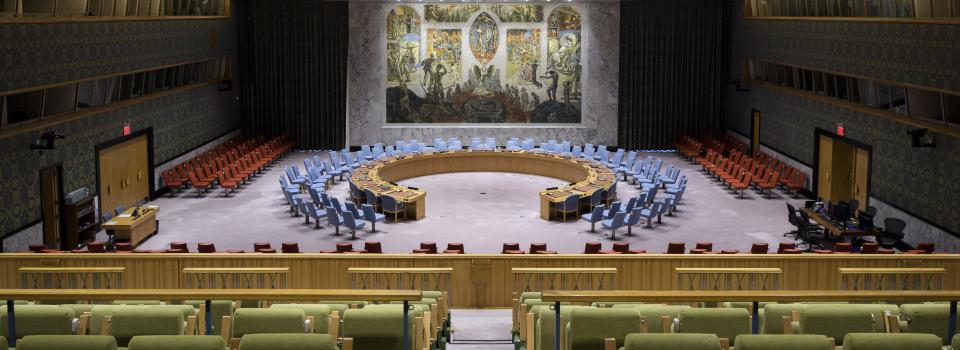
As the decisive October meeting of the UN security is drawing closer, Morocco, France and the United States are stepping diplomatic coordination to advance the settlement of the Sahara issue.
Washington, penholder of the Security Council resolutions on the Sahara, is joining efforts with Paris and London to close definitively this decades-long conflict. The three permanent members of the UN Security Council have endorsed Morocco’s Autonomy plan offered for the Sahara under its sovereignty saying it is the ONLY realistic and feasible solution.
Morocco is also reaching out to Russia and China, the two other Security Council members with veto powers. Last week, Moroccan foreign minister Nasser Bourita held a phone conversation with Russian peer Sergei Lavrov. He is expected to visit Beijing in the few coming days. Experts say the support of Russia and China is important for Rabat which is leveraging its geostrategic position in the global trade and key role in regional security and stability.
Two weeks ago, UN Sahara envoy Staffan de Mistura met with U.S. senior advisor for Africa Massad Boulos who reiterated the clear U.S. position affirming that “genuine autonomy under Moroccan sovereignty is the only feasible solution” for the Sahara.
In an interview with Italian Institute for International Political Studies (ISPI), de Mistura described Algeria as the main stakeholder in the Sahara conflict and branded the Polisario as an Algerian proxy group, dealing a hard blow to Algerian false neutrality claims.
On Tuesday, the UN Sahara envoy met in Algiers with foreign minister Ahmed Attaf whose country continues to swim against the current and growing international support for the “serious, credible and realistic” Autonomy plan proposed by Morocco.
With its stubbornness and refusal to comply, the ruling Algerian junta is heading into frontal fatal collision with the Trump Administration which has sent lately U.S. Commander of Special Operations Command Africa Major Gen. Claude K. Tudor to Algiers to deliver a tough message.
The trip of General Tudor comes two months after the visit paid by U.S. Senior presidential advisor Massad Boulos to engage the Algerian military regime to join the international dynamic and consensus building over the autonomy plan.
According to confidential sources, the Algerian rulers showed reluctance and unwillingness to compromise, irking Washington which refused their blackmail tactics.
The Algerian regime is reportedly divided between those in favor of normalization of relations with Morocco and resolution of the Sahara issue on the basis of the Autonomy plan, and those pushing for maintaining the status quo.
The UN Sahara envoy is expected to meet with French Foreign Minister Jean-Noël Barrot, showing Paris role in advancing towards the resolution of the Sahara issue.
For Washington and its major allies, the resolution of the Sahara issue can no longer be postponed as it poses serious threat to regional stability with the expansion of terrorist networks across the Sahel.
The growing international recognition of the Moroccan autonomy as the ONLY solution to the Sahara issue strengthens the Kingdom’s position, while Algeria finds itself in a difficult situation both at the domestic and international levels. In addition to its growing diplomatic isolation in the region following its diplomatic brawls with the Sahel countries, it is under mounting pressure at the Security Council to show its cards and take peace offer or face serious consequences!