Africa is losing billions each year to twin economic threats: climate-induced natural disasters and illicit financial flows, a new series of reports reveal.
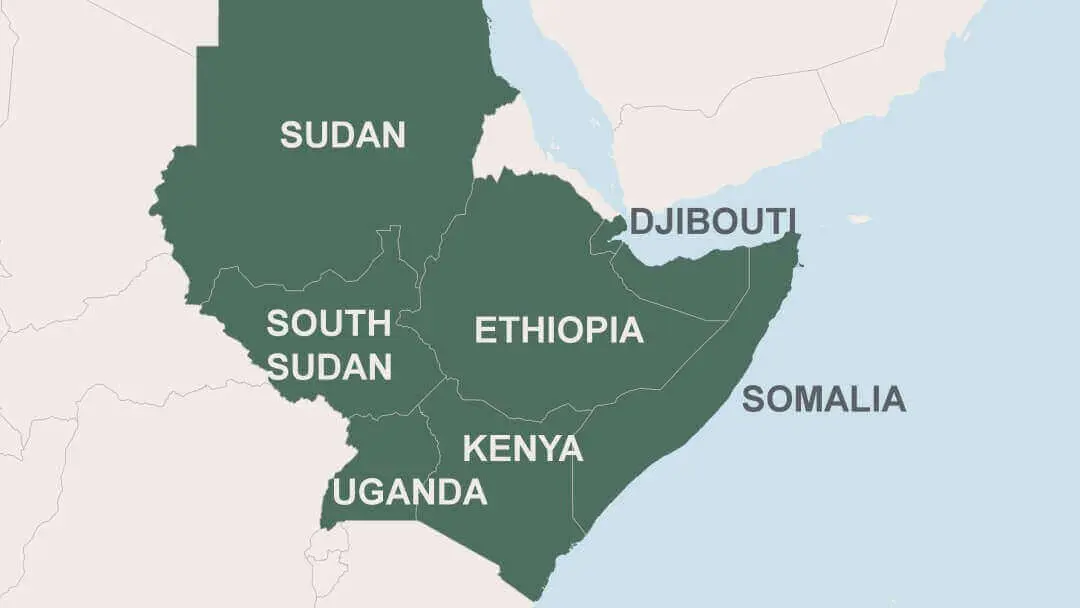
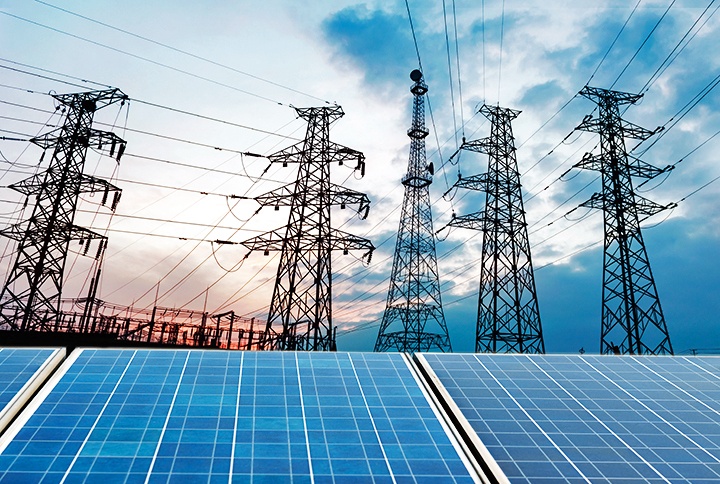
According to a new report by the Coalition for Disaster Resilient Infrastructure (CDRI), natural disasters inflict $12.7 billion in annual damage to infrastructure across the continent. Floods alone account for nearly 69% of the destruction, followed by earthquakes at 28%. The hardest-hit sectors are energy, telecommunications, and transport, with East Africa bearing the brunt of losses — $5.5 billion annually. South Africa, Nigeria, and Algeria top national losses at $1.7 billion, $1.1 billion, and $1 billion respectively. But smaller economies like Lesotho and Comoros face deeper proportional impacts, losing over 1% of their GDP each year to climate shocks.
The CDRI warns that climate change could raise infrastructure losses by 27%, urging urgent investment in early warning systems, risk-resilient infrastructure, and international climate financing. Without this, disasters will continue to divert resources from development to emergency response. Meanwhile, Africa also loses an estimated $88.6 billion annually to illicit financial flows, according to a recent report by the Financial Intelligence Centre (FIC). These outflows — driven by tax evasion, corruption, and illegal trade — rob the continent of critical funds needed for infrastructure, healthcare, and education, as was emphasized at a recent forum themed ‘Building Political Will and Public Support for Asset Recovery in Ghana’.
Together, climate vulnerabilities and financial crime represent a double bind for Africa’s development. Experts stress that tackling both is essential to protect public wealth, promote growth, and build resilience in the face of a warming planet and persistent economic exploitation.