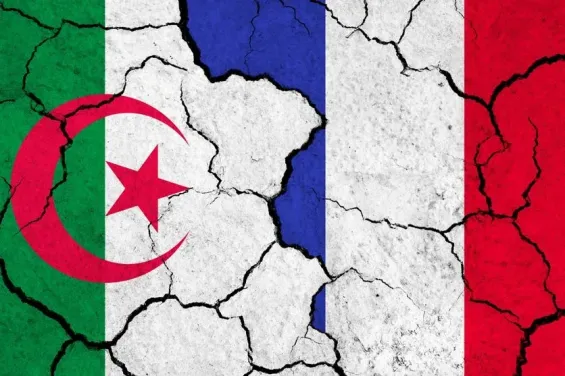
France is set to end diplomatic indulgence with Algeria. This summer, Paris launched a sweeping crackdown on Algeria’s abuse of international norms. President Emmanuel Macron’s suspension of the 2013 visa exemption agreement for Algerian diplomatic and service passport holders, coupled with the activation of the visa-readmission mechanism, marks a turning point in Franco-Algerian relations.
This is not a mere bureaucratic adjustment. It is a strategic rupture with a regime that has long weaponized diplomacy to shield corruption, repression, and extraterritorial misconduct.
The immediate catalyst for this rupture is the scandalous case of Amir DZ, a Franco-Algerian cyberactivist abducted in a covert operation allegedly orchestrated by Algerian intelligence operatives stationed in France. French authorities have issued international arrest warrants for Salaheddine Selloum, a former embassy official and intelligence officer, and Colonel Mohamed Bouaziz, a consular officer operating under diplomatic cover. Both are now subject to Interpol red notices for charges including kidnapping, unlawful detention, and conspiracy with terrorist intent.
This is not an isolated incident. It is the culmination of years of Algerian diplomatic abuse, from trafficking and currency smuggling to political intimidation. French airport surveillance footage has revealed Algerian “diplomats” using their status to transport goods for the black market, deliver personal packages for regime elites, and facilitate the travel of unofficial guests, all under the guise of state business. Paris, long reluctant to confront these abuses, has now revoked access badges for Algerian diplomatic couriers and tightened airport protocols.
Macron’s measures extend beyond France. By invoking Article 22 of the EU Visa Code, Paris has effectively locked Algerian officials out of the entire Schengen zone. Any short-stay visa application from targeted Algerian nationals must now be cleared with France, closing the backdoor often exploited via Italy and other lenient consulates.
A blacklist of over 1,000 Algerian officials- including ministers, parliamentarians, judges, and presidential advisers- has been compiled. These individuals are now persona non grata across Europe. Only a handful of diplomats involved in ongoing bilateral talks have been spared, and even they remain under scrutiny. The message is clear: Europe will no longer serve as a safe haven for Algeria’s ruling elite.
The end of Algerian exceptionalism
For decades, Algeria has enjoyed a paradoxical status in Europe: a regime that loudly proclaims anti-French and anti-western nationalism while quietly enjoying Western privileges. Algerian officials routinely sent their families to live in France, obtained residency permits with ease, and used European cities as playgrounds for luxury and influence, all while denouncing “neocolonial interference.”
That era is over. France has now terminated the practice of allowing diplomats’ families to remain in the country after the end of their mission. No more residency cards, no more quiet returns. The privileges once reserved for Algeria’s nomenklatura have been rescinded.
The diplomatic rupture is now spilling into the economic sphere. The EU-Algeria Association Agreement is under threat. The European Commission has initiated arbitration proceedings against Algeria for its repeated violations of the agreement, including arbitrary import bans and discriminatory investment restrictions. France is preparing to formally oppose any evolution of the agreement, a move that could severely impact Algeria’s already fragile economy.
This economic pressure is not incidental. Algeria’s protectionist policies have disproportionately targeted European companies, particularly French and Spanish firms, in retaliation for their governments’ support of Morocco’s sovereignty over the Sahara territory. France’s response is not just punitive. It should be rather seen as a recalibration of its regional alliances.
A regime in decline
Algeria’s response has been predictably defiant. President Tebboune’s entourage has floated the idea of circumventing sanctions via Italy or other Schengen states. But Paris has sealed those exits. The regime’s bravado masks a deeper vulnerability: international isolation, economic stagnation, and a collapsing legitimacy at home.
For too long, European democracies tolerated Algeria’s provocations out of post-colonial guilt and geopolitical caution. That appears to be ending. The new measures signal a broader European awakening to the dangers posed by a regime that has weaponized diplomacy and commerce to shield its authoritarian excesses.