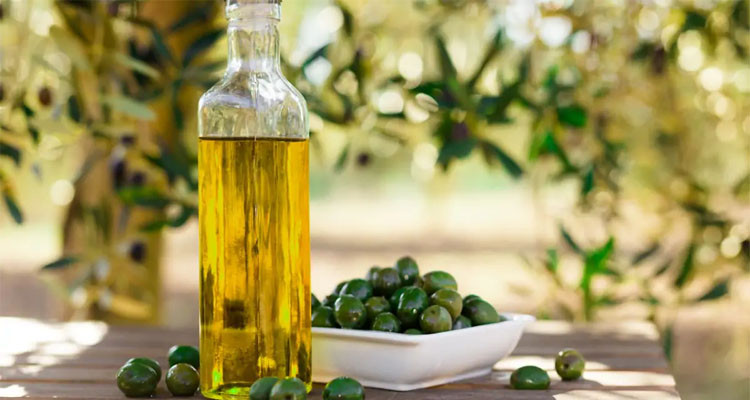
Tunisia’s food trade balance registered a surplus of 824.1 million dinars by the end of June 2025, marking a sharp decline from the 1,833.9 million dinars recorded during the same period in 2024, according to data released on Tuesday, July 16, by the National Agricultural Observatory. This downturn was largely attributed to the significant drop in the value of key exports, notably olive oil (down 31.1%), dates (13.3%), and fishery products (21.6%). Despite remaining a major contributor, olive oil exports accounted for a reduced share of 56.9% of total food exports, compared to 65.5% a year earlier. Overall, food exports comprised 13% of Tunisia’s national exports but fell by 20.7% year-on-year, totalling 4,121 million dinars.
On the import side, food purchases declined by 2% to 3,296.8 million dinars, representing 7.9% of total imports. Cereal imports—mostly wheat—continued to dominate, accounting for 44.9% of food imports, though their value dropped 13.5% to 1,481 million dinars. The average import price of durum wheat fell by 18.2%, while that of soft wheat declined by 1.4%. Meanwhile, sugar imports plummeted by 56.1%, and vegetable oil imports dropped by 26.7%, despite a 19.5% increase in the average price of the latter. These reductions reflect both decreased demand and changing global market prices.
Despite the narrowed food trade surplus, Tunisia’s overall trade deficit widened substantially, rising by 23.5% in the first half of 2025 to 9,900.5 million dinars, up from 8,017.4 million dinars in 2024. This deterioration was driven by a marginal decline in exports (0.6%) alongside a 4.3% increase in imports. Total national trade volumes reached 31,773.7 million dinars in exports and 41,674.2 million dinars in imports. The shifting dynamics in Tunisia’s external trade reflect broader economic pressures, including volatility in commodity markets and the country’s heavy reliance on a few export commodities.