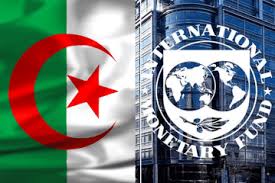
Algeria’s economic foundations are showing serious cracks, including an unsustainable fiscal system, rigid economic structure, dependence on oil and mounting external vulnerabilities, the IMF warned in a new report.
The budget deficit expanded to 13.9% of GDP in 2024, one of the highest in the region, the IMF said, noting that this sharp deterioration stems from declining hydrocarbon revenues and escalating public expenditures, particularly on wages and infrastructure to buy social peace.
The Fund warned that without immediate fiscal consolidation, Algeria risks exhausting its financial buffers and facing serious debt sustainability issues.
Algeria’s economy remains heavily reliant on oil and gas, which account for over 90% of export earnings, the IMF noted, adding that OPEC+ production cuts and falling global gas prices have already pushed the current account into deficit.
The IMF report stressed that this dependence leaves the country highly vulnerable to external shocks and price volatility.
The IMF criticized Algeria’s rigid exchange rate regime, arguing that it limits the economy’s ability to adjust to external pressures.
The report also pointed to a weak private sector, hindered by regulatory barriers, limited access to credit, and the dominance of state-owned enterprises.
The IMF warned that without structural reforms to improve the business climate, job creation and economic diversification will remain elusive.
Algeria’s financial system is deeply intertwined with the state, it said, alerting to the dysfunctions in public banks, which remain heavily exposed to government debt.
While inflation dropped from 9.3% in 2023 to 4% in 2024, the IMF attributed this to temporary factors like falling food prices. It warned that inflationary pressures could return if fiscal imbalances persist and monetary policy remains overly loose.
The IMF’s assessment is a clear indictment of Algeria’s current economic model. Without urgent reforms to reduce fiscal deficits, diversify the economy, and empower the private sector, the country risks deeper instability and long-term stagnation.