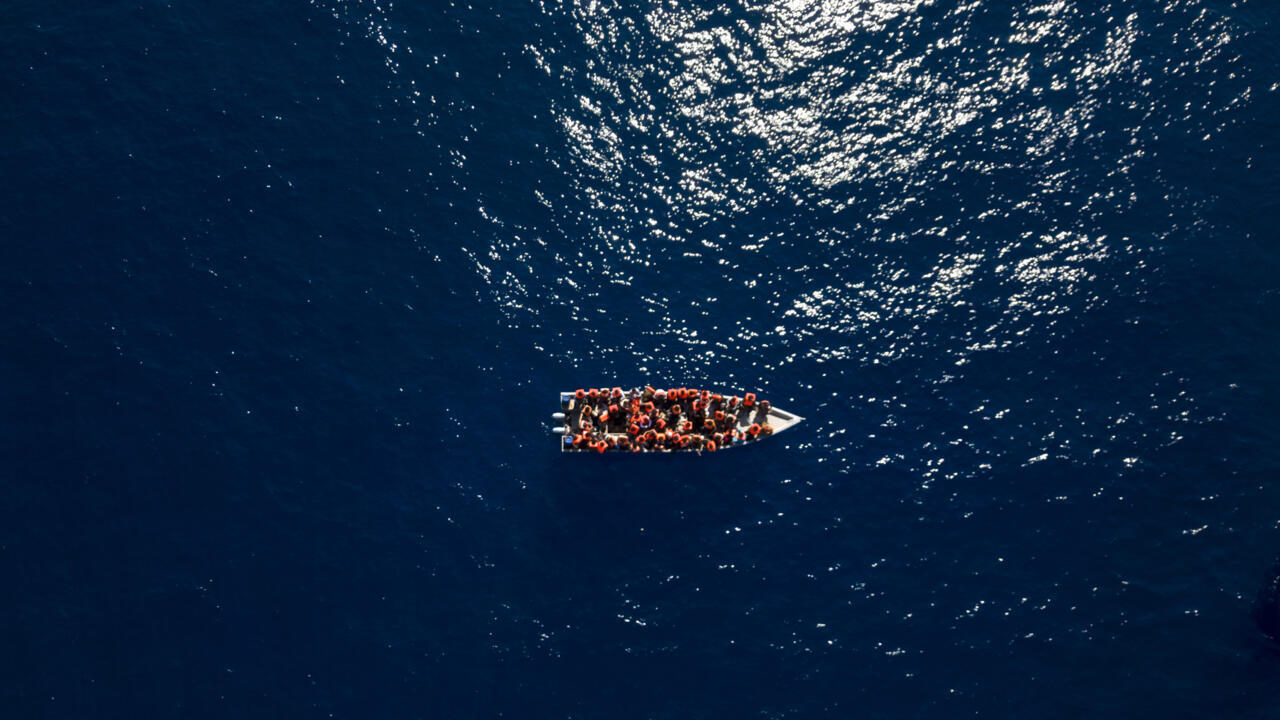
At least 60 migrants are feared dead following two tragic shipwrecks off the Libyan coast in the past week, according to a report released few hours ago by the International Organization for Migration (IOM).
The first incident occurred on June 12 near Tripoli, leaving 21 people missing, including women and children, with only five survivors. A second wreck off Tobruk reportedly claimed 39 more lives, with a single survivor recounting the ordeal. The victims, many of whom hailed from Eritrea, Pakistan, Egypt, and Sudan, were attempting the perilous journey across the Mediterranean in hopes of reaching Europe.
The IOM has renewed calls for the international community to enhance search-and-rescue efforts and ensure safe disembarkation protocols.
IOM had earlier confirmed that six migrants died and 60 others went missing in early June 2025, while attempting to cross the Mediterranean from Libya to Europe.
According to the Agency’s weekly update, 635 migrants—including 19 children, 557 men, and 32 women—were intercepted and forcibly returned to Libya after departing from coastal cities such as Tripoli, Al-Zawiya, and Sabratha. Many of those returned are now being held in detention centers in Tripoli under harsh conditions.
With 743 deaths already recorded on the Mediterranean route this year, the agency warns of escalating dangers driven by unsafe smuggling tactics, reduced humanitarian access, and limited rescue resources. In the same timeframe, over 10,600 people were intercepted and returned to Libya, highlighting the ongoing scale of the migration crisis, while migrant arrivals in Italy have surged by 15% compared to last year, with Libya remaining a key departure point, the agency said, underscoring the urgent need for coordinated regional action to address this deepening humanitarian crisis, enhance migrant protection and adopt long-term regional strategies to address the root causes of irregular migration.