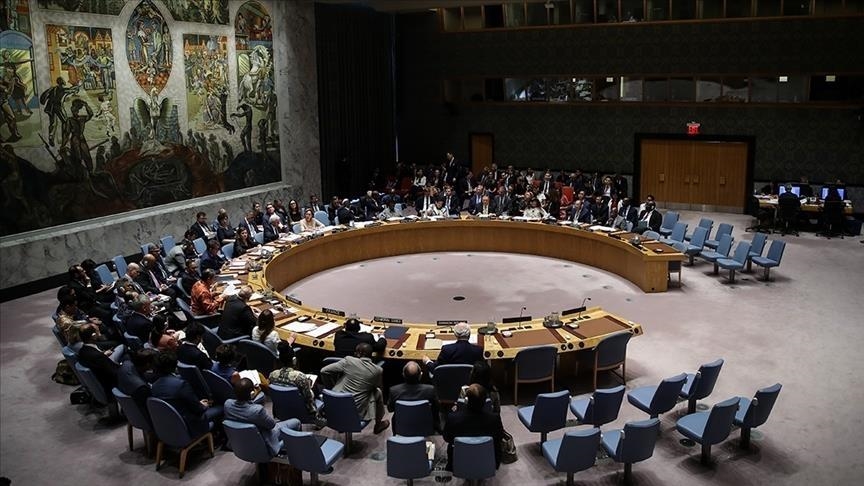
Morocco is entering the upcoming October review of the MINURSO mandate at the UN Security Council with growing confidence, buoyed by strong diplomatic backing from key allies and a favorable composition of the Council.
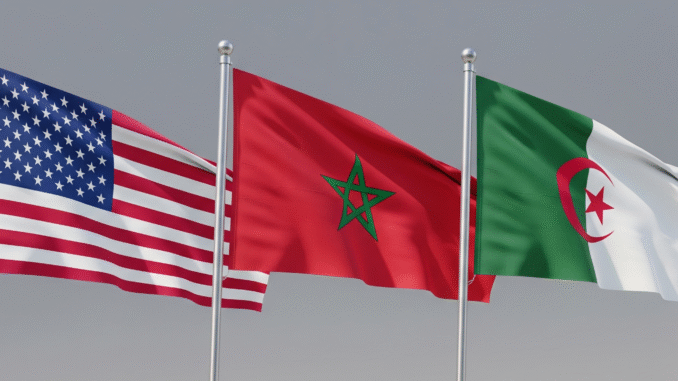
A joint declaration issued on September 16 by Morocco, the United States and Israel reaffirmed Washington and Tel Aviv’s recognition of Moroccan sovereignty over the entire Western Sahara territory.
Both countries reiterated their support for Morocco’s autonomy plan as the only serious, credible and realistic basis for a just and lasting solution, describing any alternative path as unacceptable.
The Moroccan Foreign Ministry’s recent visits by Nasser Bourita to Denmark and Greece – both non-permanent Security Council members – secured firm endorsements of the autonomy initiative.
Other non-permanent members, including Bahrain, Liberia, the Democratic Republic of Congo, Panama and Somalia, already recognize Moroccan sovereignty over the Sahara.
Colombia, which previously aligned more closely with the Polisario during the tenure of former President Gustavo Petro, has severed ties with the movement. Pakistan, which abstained alongside Russia and China on Resolution 2797 last year, continues to develop relations with Rabat.
A source close to the dossier told Yabiladi that the October session offers an opportunity to consolidate the progress achieved under Resolution 2797 and to push for the strategic revision of MINURSO’s mandate.
France and the United Kingdom, both permanent members with veto power, are expected to maintain their support for Morocco’s position.
UN Secretary-General António Guterres has previously questioned the viability of maintaining peacekeeping operations without a solid ceasefire. Meanwhile, strategic dialogue with Russia and China remains constructive, with the first session of a Morocco-Russia diplomatic working committee recently held in Moscow.