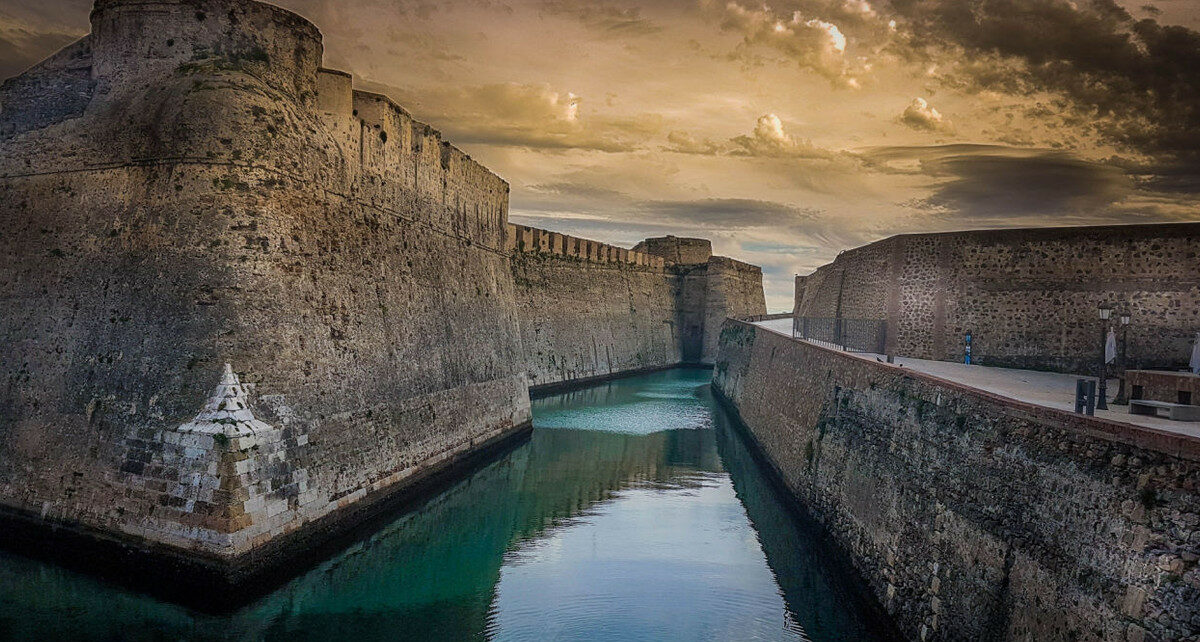
Since they fell into Iberian hands, the history of the two enclaves has been that of sieges, open wars, and negotiations. Across the centuries the methods evolved, yet Moroccan efforts to reclaim Ceuta (Sebta), Melilla, and the other coastal presidios never ceased.
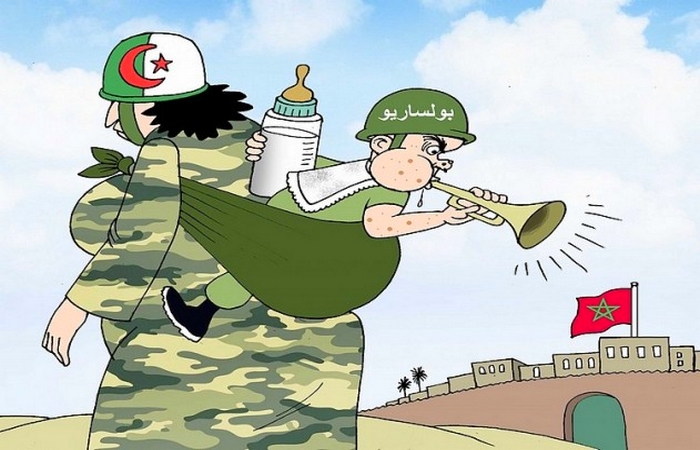
At the same time, recent claims in parts of the Spanish press- eagerly amplified by Algerian media – that “modern Morocco” only came into existence in 1956–1957 collapsed under historical scrutiny.
Ceuta fell in 1415, after a Portuguese armada of more than two hundred ships carrying King João I and tens of thousands of men appeared before Ceuta in a violent conquest.
Back then the Merinid dynasty faced an internal crisis. Political weakness, however, did not equal resignation.
Barely three years later, in 1418, a Merinid army besieged the city but was repelled. The following year Merinid forces allied with the Nasrid Kingdom of Granada launched a combined land-and-sea assault that also failed.
Rome framed the Portuguese enterprise as a crusade, granting plenary indulgences.
Manpower shortages forced Portugal by 1431 to send convicts to Ceuta in exchange for reduced sentences. Historian Jacques Paviot described the holding of the city as a “financial abyss.”
In 1437 a Portuguese expedition against Tangier ended in disaster. The price of withdrawal demanded by Moroccan forces was the restitution of Ceuta; Prince Fernando was left as hostage. Portugal refused. The prince, later remembered as the “Saint Infant,” died in captivity in Fez in 1443.
Further attempts followed. In 1476 the Wattasid ruler Mohamed Chaykh attacked Ceuta while Castile and Portugal were at war. However, the effort failed. After the 1578 Battle of Oued El-Makhazine and the subsequent Iberian Union, Ceuta passed into Spanish rule.
When Portugal regained independence in 1640, Ceuta remained loyal to Spain.
Under Moulay Ismail the reconquest drive intensified. Mamora was recovered in 1681, the English evacuated Tangier in 1684, Larache fell in 1689, and Asilah in 1691. Ceuta itself endured an extraordinary siege that began on October 23, 1694 and, with interruptions, lasted until April 1727, often cited as one of the longest sieges in history.
Melilla, occupied by Spain in 1497, was besieged between 1694 and 1696. Other presidios such as Badis (Peñón de Vélez de la Gomera) saw repeated Moroccan assaults. In 1774 Sidi Mohammed ben Abdallah marched on Melilla with 30,000-40,000 men. After three months the siege was lifted amid logistical difficulties and threats from the Regency of Algiers.
In 1790-1791 Moulay Yazid invested in Ceuta, alternating bombardment, combat, and negotiations that ultimately failed. During the Napoleonic wars the fate of the smaller presidios was even placed on the negotiating table by the Spanish Cortes. The era of great sieges eventually ended. The dispute did not.
Recent Spanish commentary asserting that the “Kingdom of Morocco did not exist until 1957” (or that modern Morocco was born only in 1956 with the end of the protectorates) has been seized upon by Algerian outlets such as El Watan and Le Courrier d’Algérie.
These claims, historian Bernard Lugan notes, confuse Morocco’s continuous state tradition with Algeria’s very different trajectory. Algeria, lacking a pre-colonial national past in the same sense, became independent in 1962.
Morocco’s statehood reaches back to the Idrissids in 788.From 788 to 1415, with only brief interruptions under Cordoba or Granada, Ceuta was Moroccan under successive dynasties: Idrissid, Almoravid, Almohad, and Merinid.
After the Portuguese (and later Spanish) occupation, successive Moroccan rulers never abandoned recovery efforts. The historical record of expeditions and interventions is extensive.
Equating the Alaouite adoption of the title “King” in 1957 with the sudden birth of the Moroccan state is as historically absurd as claiming that modern France began only with the storming of the Bastille in 1789 or that Russia appeared only in 1917.