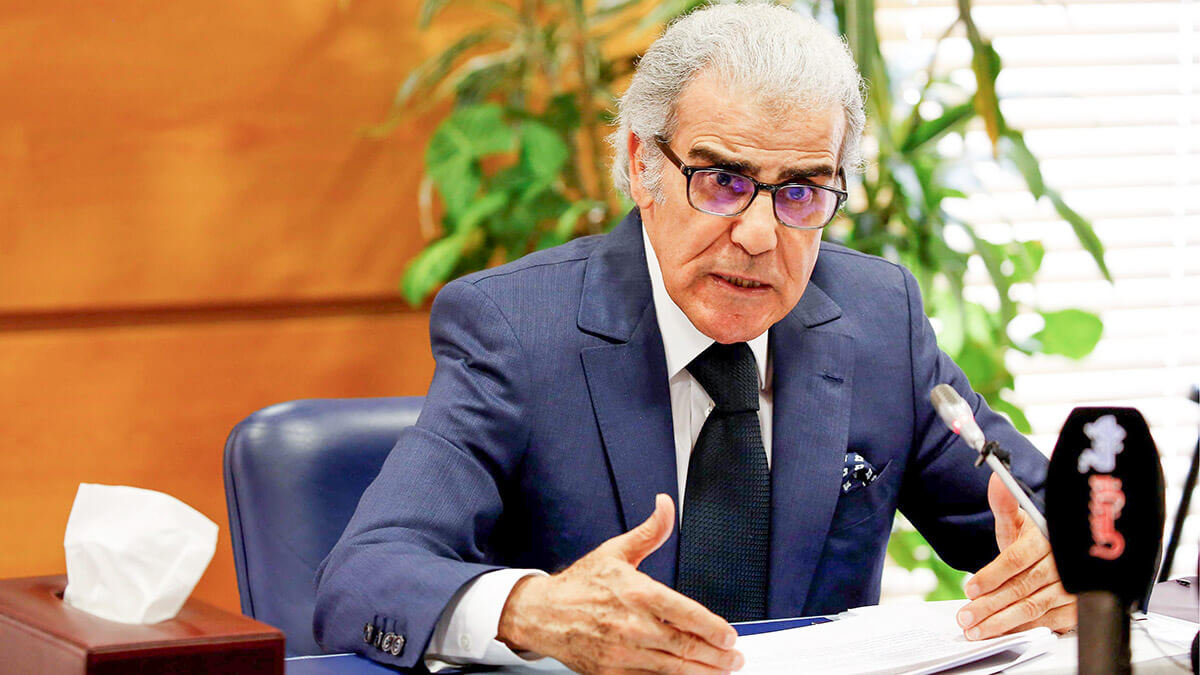
War in the Gulf raises the prospect of renewed imported inflation in Morocco, just days before Bank Al‑Maghrib (BAM) holds its first quarterly monetary policy meeting of 2026.
The conflict, which shows no sign of easing, has rattled global markets and revived fears of an energy‑driven shock at a moment when Morocco had begun restoring price stability and economic momentum.
BAM has kept its policy rate unchanged at 2.25% for a year following a cut in March 2025. The central question now is whether geopolitical uncertainty justifies maintaining an accommodative stance or preparing for a tightening cycle to counter rising external price pressures.
Factors that may affect BAM’s decision include uncertainties over the duration and magnitude of the Gulf crisis, amid speculations about the war evolving into a prolonged disruption capable of reshaping global energy markets.
While Morocco’s inflation outlook is shaped by multiple determinants, some of which may help offset imported pressures, a strong agricultural season, for instance, could bring down domestic food prices and soften the overall inflation trajectory.
However, if oil prices continue rising, the central bank faces a complex trade‑off of supporting economic activity while managing inflation expectations.
A global growth slows with higher oil prices would inflate Morocco’s energy bill and widen its trade deficit, putting further pressure on the currency and potentially amplifying imported inflation.
The bank is therefore confronted with two options. Either opting for status quo until some uncertainties dissipate about the duration of the war or raise rates to cushion against imported inflation.