Algeria is not benefiting from the sharp rise in international gas prices triggered by the conflict in the Gulf, as the country continues to sell most of its natural gas under long‑term supply contracts rather than on the spot market.
While spot LNG benchmarks in Asia and Europe have soared to crisis levels, Algeria’s gas export earnings are constrained by the contractual rigidity of its sales agreements.
Algeria’s gas policy has long prioritized pipeline exports and multi‑year fixed‑formula contracts with European buyers.
According to the US EIA, Algeria is the largest natural‑gas producer in Africa and exports most of its supply via long‑term agreements, with domestic consumption absorbing nearly all locally produced energy because the country “imports very little energy” and relies almost entirely on subsidized domestic oil and gas for internal demand.
This means the windfall seen on the spot market, with Asian LNG prices jumping 68% in one week and European prices up 50%, does not translate into additional Algerian revenue.
At the same time, Algeria’s ability to increase sales is constrained by structural limits. Domestic gas consumption surpassed 45 billion cubic meters in 2023, driven by the fact that more than 95% of electricity generation depends on natural gas, leaving less volume available for exports.
Rising internal demand continues to erode export capacity, a trend already noted in 2024 and 2025 when exports fell despite higher production.
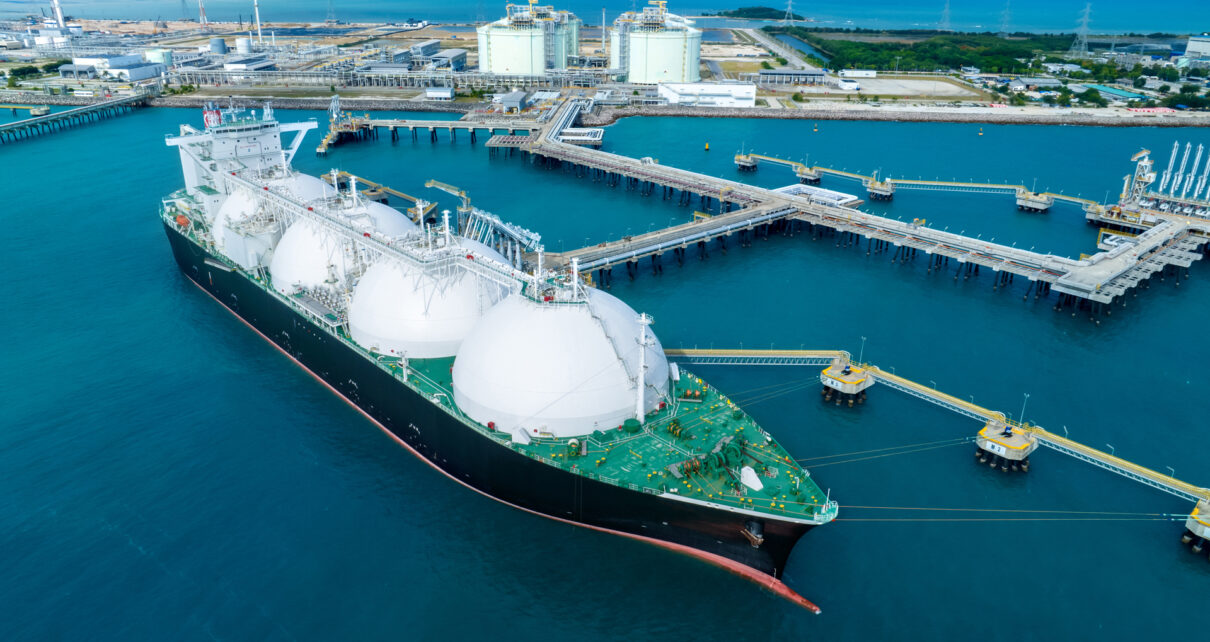
LNG exports dropped sharply in 2025 due to outdated infrastructure and frequent breakdowns at the Arzew liquefaction facilities, contributing to the loss of 230 million cubic meters in export sales.
Pipeline delivery flows dipped to 49 bcm in 2024, down from more than 52 bcm in 2023, even as Europe sought alternative suppliers amid geopolitical tensions.
Meanwhile, Algeria’s LNG sector is operating near its limits. The country has 30 million tons/year of liquefaction capacity but has been “unable to fully utilize” it due to aging plants and rising domestic demand, according to Natural Gas Intelligence.
This combination of rising internal consumption, technical bottlenecks, and long‑term contractual constraints means Algeria cannot capitalize on the global LNG and oil price rally sparked by the Middle East conflict.