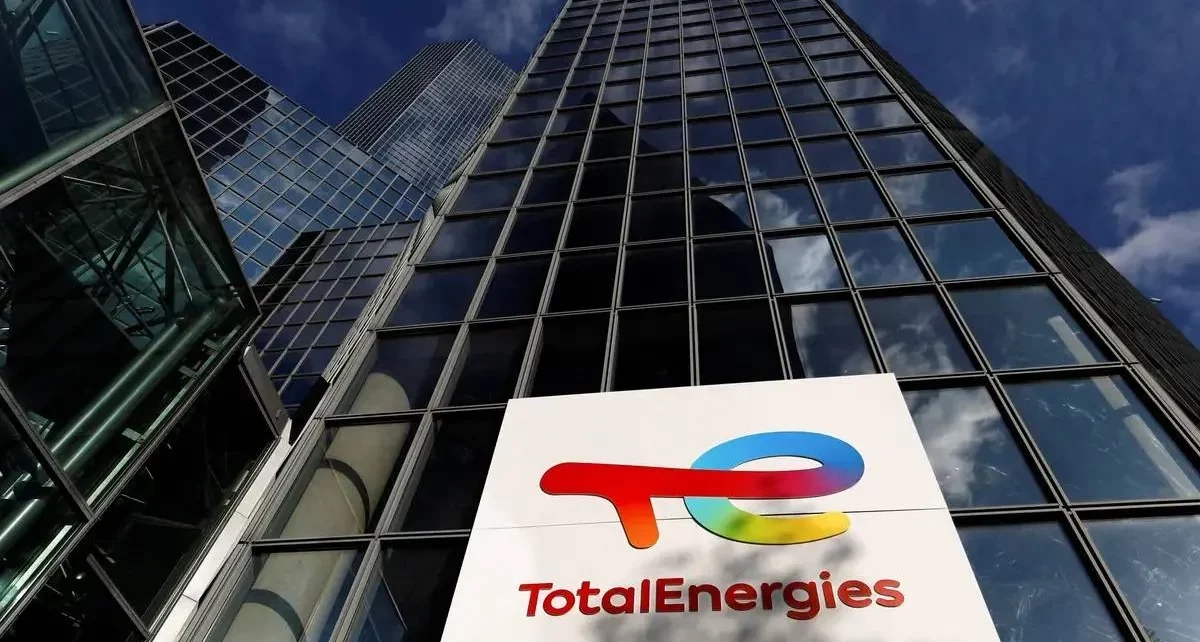
Libya has signed new energy deals with France’s TotalEnergies and US oil major ConocoPhillips aimed at sharply increasing crude production and modernizing aging infrastructure, in a move that could put the North African country on track to challenge Nigeria as Africa’s top oil producer.
The agreements were signed through Waha Oil Company, a subsidiary of Libya’s state-run National Oil Corporation (NOC), and include capital injections and technical support to expand production capacity and rehabilitate mature oilfields.
The projects could add as much as 850,000 barrels per day (bpd) to Libya’s output once fully implemented, the government said.
The deals were announced on the sidelines of the Libya Energy and Economy Summit in Tripoli, where authorities also signed a memorandum of understanding with US oil major Chevron and a separate cooperation agreement with Egypt’s Ministry of Petroleum.
Prime Minister Abdulhamid al-Dbeibah said the agreements marked a turning point for Libya’s oil sector.
“These partnerships reflect the strengthening of Libya’s relations with its largest and most influential international partners in the global energy sector,” Dbeibah said in a statement.
Dbeibah said the Waha deal alone could generate net revenues exceeding $376 billion over its lifetime, while helping restore Libya’s oil industry after years of underinvestment, armed disruptions and political turmoil.
Libya currently produces around 1.1 million bpd, according to official figures, but output has historically been volatile, at times dropping below 500,000 bpd due to blockades, sabotage and power struggles between rival factions.
If the Waha-led expansion succeeds, Libya’s total production could theoretically rise to nearly 2 million bpd, rivaling or exceeding Nigeria’s current average output of 1.6–1.8 million bpd, analysts say.
Nigeria is currently Africa’s largest oil producer, supported by deepwater offshore fields and a more stable regulatory environment, despite facing its own challenges from theft and pipeline vandalism.