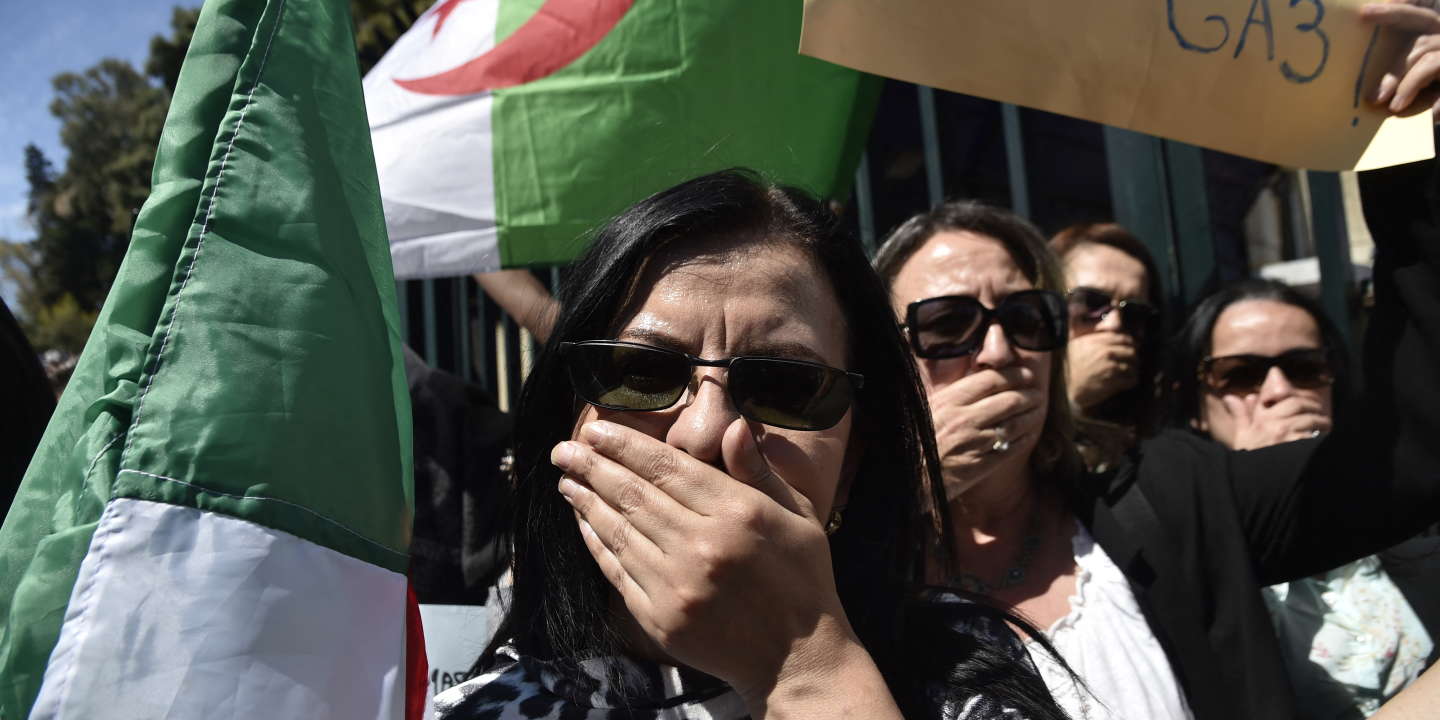
Algeria’s Ministry of Communication this week formally warned the independent daily El Watan, over a front page headline describing parliamentary debate on a new highway code.
Citing the controversial 2023 information and press laws, the ministry threatened further measures should the newspaper fail to comply, in the latest attack on what remains of independent media in a country where the editorial line is set by men in uniform.
El Watan reported that senators had said “no” to the bill after the upper house rejected 11 articles and sent the draft back for revision. The authorities rejected that reading and escalated the dispute with a formal notice, transforming a routine disagreement over parliamentary framing into a regulatory warning.
In doing so, the government sends a clear warning that even neutral coverage of institutional processes must conform to the official narrative.
Under most media systems, such disputes are settled through clarification or rebuttal. In Algeria, they are increasingly handled through the penal code.
The warning invoked laws adopted in August and December 2023 that grant regulators wide discretion to punish outlets that derail from the official narrative.
Freedom House rates Algeria “Not Free” in its Freedom in the World 2025 report, with a score of 31/100, citing domination of politics by a military-linked elite, tightly managed elections, and growing legal restrictions on expression.
Reporters Without Borders ranks Algeria 126th out of 180 in its 2025 World Press Freedom Index, placing it in the “difficult” category. RSF highlights expanding legal red lines, frequent prosecutions, blocked websites, and a regulatory framework that enables control without overt censorship.
Human Rights Watch reports sustained use of penal and counter‑terrorism laws against journalists and artists for peaceful expression, while Amnesty International documented at least 23 activists and journalists jailed or convicted in late 2024 and early 2025 over online dissent linked to the “Manich Radi” protest campaign.
In such an unsafe environment for the media, independent international media and reporters are also under attack. French journalist Christophe Gleizes, who received seven years in prison, stands as an example of the blackout and repression imposed on the Algerian state.
Sports journalist Gleizes was convicted on bogus terrorism‑related charges after his work in the restive Kabylie region. His case drew international condemnation but reinforced a clear warning that journalism itself can be construed as criminal contact.