As 2025 draws to a close, Algeria faces one of the most challenging years in its modern history, marked by diplomatic setbacks, economic vulnerability, and existential questions about its national identity.
The adoption of UN Security Council Resolution 2797 in 2025, affirming the preeminence of Morocco’s autonomy plan for the Sahara, dealt a crushing blow to Algeria’s decades-long support for the Polisario separatist militias.
Algeria’s pro-separatist stance in Moroccan Sahara created divergences that left it increasingly isolated within the Euro-Mediterranean sphere.
After failing to weaponize gas and migration to push Spain to backtrack its support for Morocco’s autonomy plan, Algeria is suffering worsening ties with France, which has responded to Algerian pressures on the Sahara issue with firmness. Paris has adopted a tit‑for‑tat approach to Algerian escalation, including via diplomatic expulsions and visa restrictions.
Adding to the diplomatic damage, the imprisonment of acclaimed writer Boualem Sansal sparked international condemnation. The European Parliament unanimously demanded his release, reflecting an image of an authoritarian Algeria.
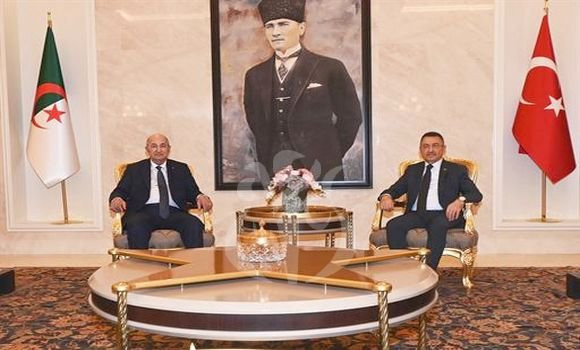
Algeria’s relations with Sahelian neighbors deteriorated as it sought to exert influence over the region, treating it as a de facto southern protectorate. Worse still, its interests now clash with those of Russia, its primary arms supplier.
Moscow backs Mali’s central government militarily, while Algeria supports Tuareg factions viewed as separatists by Bamako. In Libya, Algeria’s alignment with Tripoli pits it against Russia’s Africa Corps, which fights alongside Khalifa Haftar in Benghazi.
Internationally, the Algerian regime has yet to come to terms with its failure to join BRICS, which admitted Egypt and Ethiopia instead.
Economic Dependence and Looming Crisis
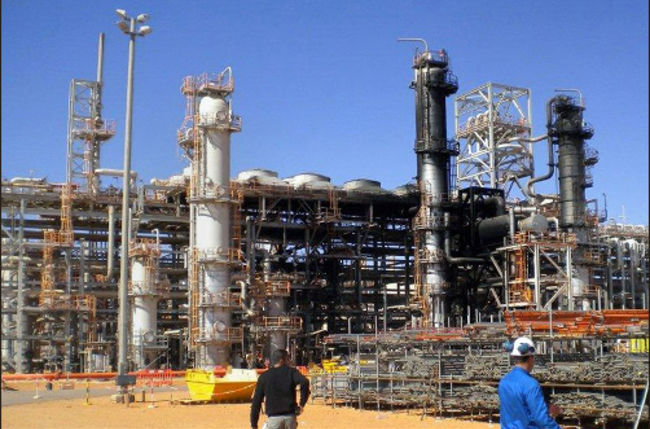
Algeria’s economy remains overwhelmingly dependent on hydrocarbons, which account for 95–98% of exports and roughly 75% of budget revenues. Despite repeated crises, in 1986, 1990, and 1994, the country has failed to diversify. Domestic consumption is rising, export volumes are shrinking, and reserves are depleting.
Meanwhile, the population surged to 46.7 million in January 2025, growing at 2.15% annually, adding nearly 900,000 people each year. This demographic pressure amplifies Algeria’s inability to produce enough food, clothing, and essential goods, forcing heavy reliance on imports. In fact, 25% of hydrocarbon revenues in 2025 were spent on importing basic foodstuffs, a stark reversal from pre-1962 Algeria, which was a net food exporter.
The fiscal outlook could not be grimmer. The 2026 budget deficit is projected at $75 billion, assuming oil prices hover around $60–65 per barrel. Yet, defense spending remains exorbitant: $25 billion for the military, consuming 20% of the state budget, while $46 billion in social transfers, about 40% of total spending, are allocated to maintain fragile social peace. These commitments leave negligible room for investment in economic diversification.
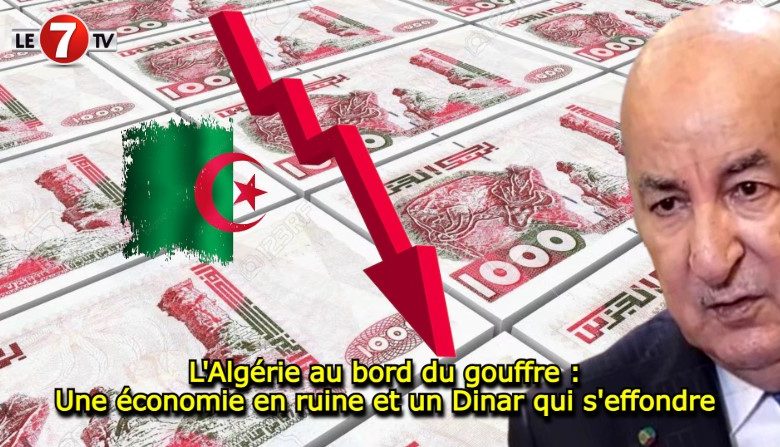
The dinar’s continued depreciation against the euro worsens purchasing power, pushing citizens toward the black market for foreign currency. Import restrictions will tighten, aggravating shortages of consumer goods.
Beyond economics and diplomacy, Algeria faces a deeper identity crisis. The notion of a unified Algerian nation is increasingly contested. Historically, the territory was an artificial construct of French colonialism, amalgamating regions with no shared political destiny.
The Kabylie declaration of independence by MAK has sent shockwaves across Algeria, putting Algiers before its own contradictions: using self-determination to unsettle Morocco and denying Kabyles the same right it claims to defend.