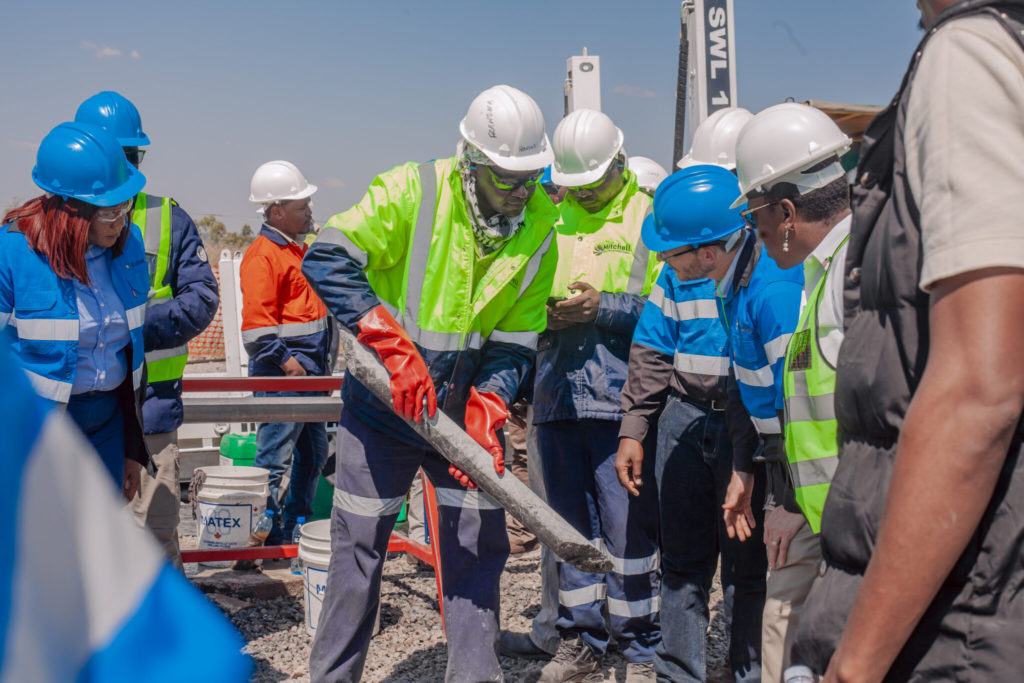
The Democratic Republic of Congo (DRC) has become the latest front in the U.S.-China rivalry, as President Donald Trump intensifies efforts to secure critical minerals needed for electric vehicles and clean energy.
Backed by billionaires Jeff Bezos and Bill Gates, U.S. firm KoBold Metals recently secured seven lithium exploration permits, including access to the coveted Manono deposit. The U.S. push, amplified since Trump’s return to office, aims to break China’s grip on the DRC’s cobalt and lithium markets. More than 75% of global cobalt came from the DRC in 2024. Washington has paired mineral access with promises of security aid in the conflict-ridden east, where M23 rebels — supported by Rwanda — control many mining zones.
President Félix Tshisekedi has embraced the U.S. strategy, betting on joint ventures and infrastructure projects like the Lobito Corridor to lure Western capital. Critics, however, warn of “green colonialism,” where foreign powers exploit DRC resources under the guise of sustainability. Catholic leaders and civil society groups reject Trump’s ‘peace-for-minerals’ model, calling it transactional and exclusionary. “Congolese and Rwandans, you are at war with each other over minerals, and I, the great Trump, will come and reconcile you, and you will give me the minerals,” said Cardinal Fridolin Ambongo, by way of a caricature.
Despite high-level deals, experts warn gains may not reach ordinary Congolese. “Corruption remains rife and political interests are vast,” said analyst Daniel van Dalen, meaning “it will take a long time before any increased earnings translate into a tangible improvement in the everyday life of the average Congolese.” As the global race for green minerals heats up, Congo remains rich in resources — but haunted by exploitation’s long shadow.