Digital transformation is reshaping the global tourism industry from destination choice through to booking, and Morocco’s fast-growing sector is leaning on that shift to meet its 2030 ambitions, Finances News Hebdo reports. Moroccan tourism has never been more dynamic: after welcoming 17.4 million visitors in 2024, the Kingdom reached 19.8 million arrivals in 2025, confirming its place among the Mediterranean basin’s top-performing destinations and surpassing several targets of its 2023-2026 tourism roadmap years ahead of schedule.
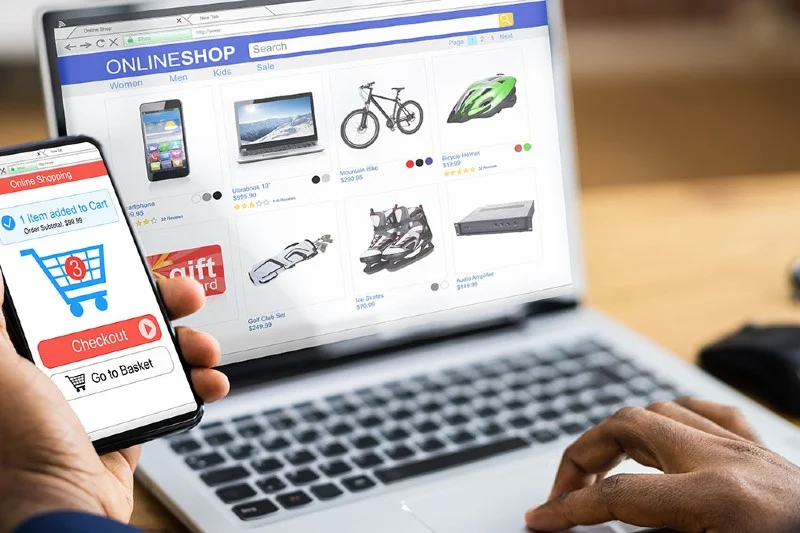
That roadmap, which originally targeted 17.5 million tourists, 120 billion dirhams in revenue and 200,000 new jobs by 2026, identified digital tools as a strategic lever from the outset, including stronger digital promotion of Morocco and support for operators undergoing their own digital shift. Booking platforms have become tourism’s main global storefronts, letting thousands of Moroccan hotels, riads, guesthouses and inbound agencies reach international clients without extensive overseas sales networks, making digital visibility a competitiveness factor in its own right.
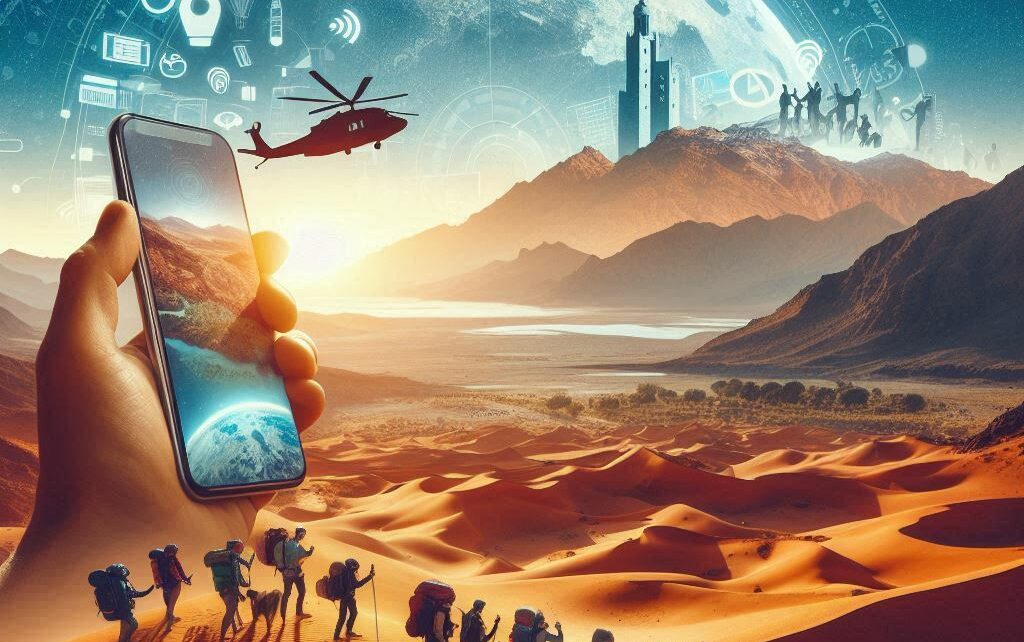
Artificial intelligence marks the next technological leap for the industry. Conversational assistants already let travelers get personalized recommendations, build custom itineraries or plan a trip within minutes, while hotels use AI to optimize pricing, anticipate demand and improve customer relations, with some establishments already analyzing visitor behavior to tailor offers to individual preferences.
Ahead of the 2030 World Cup, which Morocco will co-host with Spain and Portugal, smart solutions could help direct visitor flows, cut wait times and improve the overall visitor experience. Beyond tools visible to the public, the magazine notes that the real transformation lies in data: every booking, search or online review generates valuable information on traveler expectations, helping identify promising markets, detect emerging consumption trends and fine-tune promotional campaigns.
Mobile apps, digital payments, contactless services, augmented-reality tours, personalized recommendations and smart flow management are all expected to gradually become part of the traveler’s everyday experience. For Morocco, the magazine concludes, the challenge extends beyond technological modernization to converting current growth into a durable advantage as the country consolidates its position among the world’s leading tourism destinations.