Algeria has quietly climbed down in its standoff with Mali, reopening its airspace to Malian aircraft and returning its ambassador to Bamako, the latest in a string of diplomatic retreats that has come to define Algiers’ diplomacy with the countries it has picked fights with in recent years, from Spain to France and now the Sahel.
The pattern is familiar. Algeria freezes ties, issues accusations, deploys pressure tools such as migration leverage, energy exports or proxy militias. Then, having secured no concessions, reverses course quietly through low-key ministerial statements rather than a negotiated resolution. Mali is only the most recent capital to watch Algiers fold.
With Spain, Algeria suspended its 2002 friendship treaty in 2022 to punish Madrid for backing Morocco’s autonomy plan for the Sahara, and weaponized gas and migration cooperation to press its case. Spain never budged, and Algiers restored the treaty in 2025 without securing any change in Madrid’s position.
With France, a similar sequence played out. An escalating spat over the Sahara, migration and the detention of a Franco-Algerian writer led Algiers to suspend cooperation and impose trade curbs on Paris. Few months later, Algeria walks it back through a series of concessions to French ministers this year, again without moving Paris off its support for Moroccan sovereignty over the Sahara.
Mali now fits the same script. Algeria’s crisis with Bamako, triggered by the shooting down of a Malian drone in April 2025, was in fact rooted in years of Algerian interference. Algeria hosts Malian opposition figures, shelters Tuareg separatist leaders, and provides safe haven to Iyad Ag Ghali, the terrorist JNIM commander wanted by the International Criminal Court.
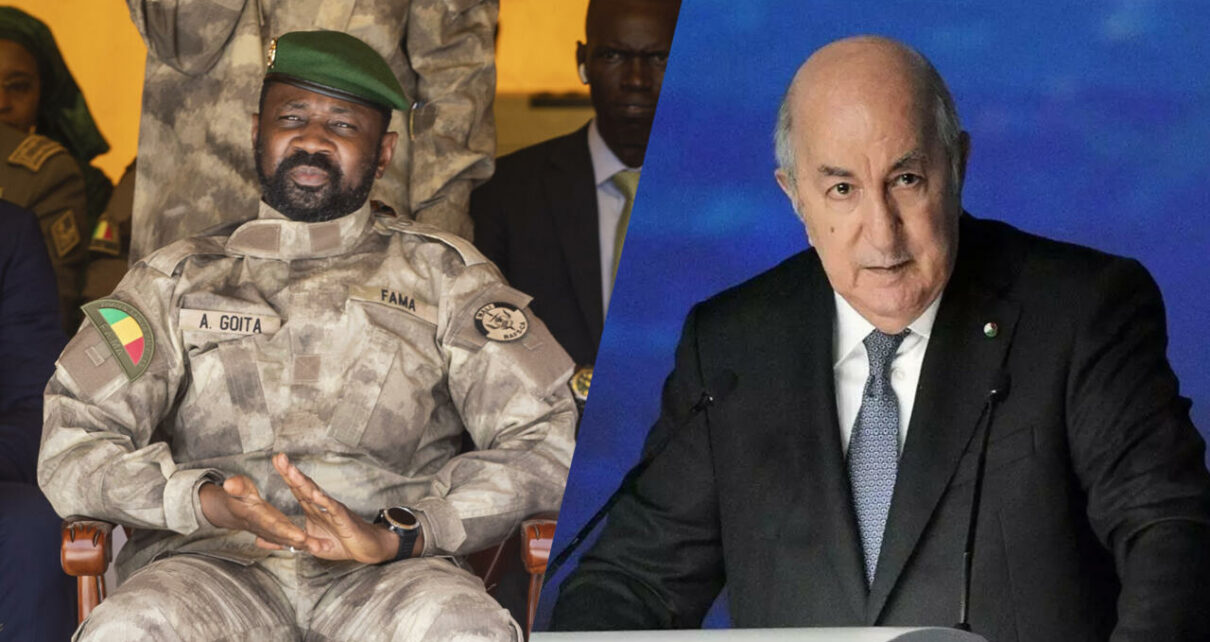
Algeria’s allies among Tuareg separatists and Sahel jihadists were counting on toppling the government of Colonel Assimi Goita, an offensive that collapsed in late April when Malian forces routed the coalition. Bamako compounded the blow by withdrawing its recognition of the Algerian proxy separatist entity SADR.
With its regional gambit in ruins and facing near-total isolation among its neighbors, Algiers moved unilaterally to reopen its airspace and send its ambassador back. Meanwhile Mali, for its part, offered only a symbolic mirror gesture and left its own ambassador’s return undated.