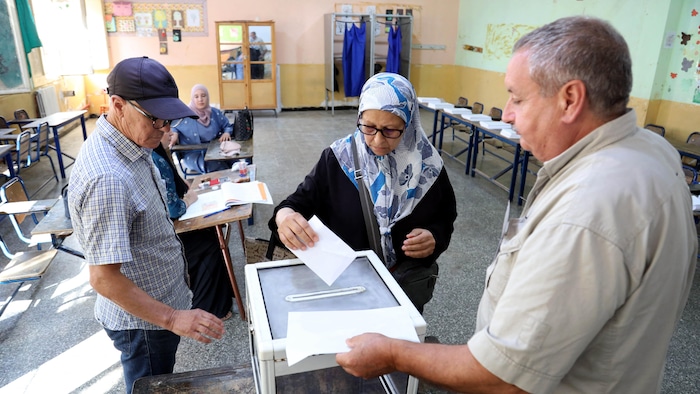
Algeria’s parliamentary elections have delivered an unmistakable verdict on the state of the country’s political system, with official results showing a turnout of just 21.24%, meaning nearly four out of five registered voters abstained despite efforts by authorities to boost participation, including extending voting hours nationwide.
The figure marks the lowest participation rate recorded in Algeria since independence and falls below the previous low of 23% registered in the 2021 legislative elections.
The result is widely being interpreted as a profound expression of public disengagement from political institutions that many Algerians increasingly see as ineffective, unresponsive and unable to address the country’s mounting economic and social challenges.
Observers point to a long-term erosion of trust between Algerians and the institutions meant to represent them.
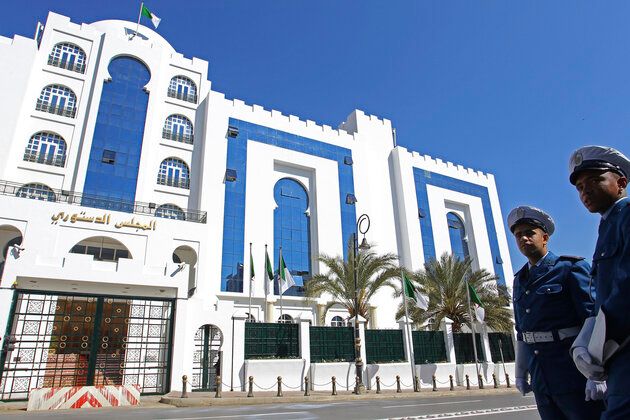
For many Algerians, the low turnout raises a broader question about the role of parliament itself. Critics argue that the National People’s Assembly has limited influence over key policy decisions and is widely perceived as endorsing rather than challenging government initiatives.
This perception has contributed to a growing sense among voters that elections have little impact on the direction of the country.
Reports from several regions described sparsely attended polling stations, particularly in major urban centers including Algiers. Images circulated on social media showed largely empty voting centers during much of the day, despite official efforts to mobilize voters.
The problem appears particularly acute among younger Algerians. Confronted with high expectations, limited economic prospects and persistent unemployment concerns, many young people see little connection between electoral participation and improvements in their daily lives. Increasingly, migration rather than politics is viewed as the path to a better future.
The abstention wave was even more pronounced in Kabylie, where participation reportedly fell to around 15%, among the lowest rates in the country. The region has historically exhibited lower engagement with national political institutions, and the latest figures are likely to reignite debate about the relationship between the state and parts of the country’s Amazigh population.
The election also comes at a difficult moment for the country’s leadership. Despite relatively high hydrocarbon revenues, Algeria continues to face significant economic challenges, including pressures on public finances, dependence on energy exports and growing social expectations from a young and increasingly connected population.
Ultimately, the election’s most significant outcome may not be the distribution of seats within parliament but the number of citizens who chose not to participate at all.