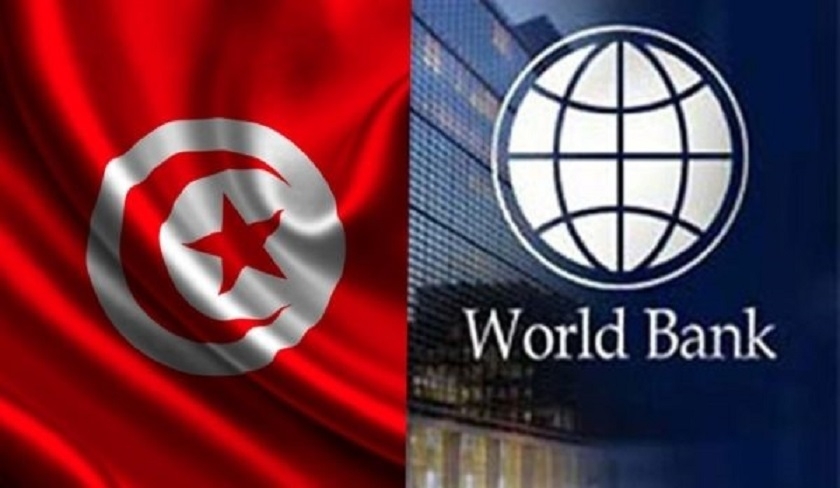
Tunisia’s economy has shown signs of recovery after several difficult years, but high public debt, limited access to external financing and persistent structural weaknesses continue to threaten the country’s outlook, the World Bank said.
Tunisia’s economy grew by 2.5% in 2025, up from 1.6% a year earlier, driven by a recovery in agriculture and increased activity in the manufacturing sector, particularly components production, according to the WB’s latest Macro Poverty Outlook (MPO) published in June 2026.
Improved rainfall helped reverse some of the damage caused by earlier drought conditions that had weighed on growth, it said.
Despite the rebound, the World Bank paints a cautious picture, stressing that Tunisia continues to grapple with many of the same challenges that have constrained economic performance since the 2011 revolution.
The report notes that growth remains modest and insufficient to generate the level of job creation needed by a country facing persistent unemployment, particularly among young people.
“The outlook remains uncertain,” the World Bank said, citing elevated debt levels, limited external financing and the economic repercussions of tensions in the Middle East.
One of the report’s strongest warnings concerns Tunisia’s public finances. With access to international capital markets restricted and negotiations with the International Monetary Fund still stalled, the government has increasingly relied on domestic financing from commercial banks and the Central Bank of Tunisia.
According to the World Bank, this strategy has helped the government meet its financing needs but may be crowding out credit to the private sector and weighing on investment and growth.
The Bank also highlighted a deterioration in Tunisia’s external position. While tourism revenues and remittances continued to grow, they were not sufficient to offset a widening merchandise trade deficit. As a result, Tunisia’s current account deficit increased from 1.5% of GDP in 2024 to 2.4% of GDP in 2025, reflecting ongoing pressure on the country’s external balances.
Foreign exchange reserves remained relatively stable at around 3.3 months of imports at the end of 2025, supported by capital flow controls and financing measures, but economists continue to view Tunisia’s external financing position as vulnerable to shocks, particularly rising energy prices.