Libya has reached a significant milestone in its post-conflict recovery, with rival political institutions agreeing to adopt a unified state budget for the first time in over 13 years.
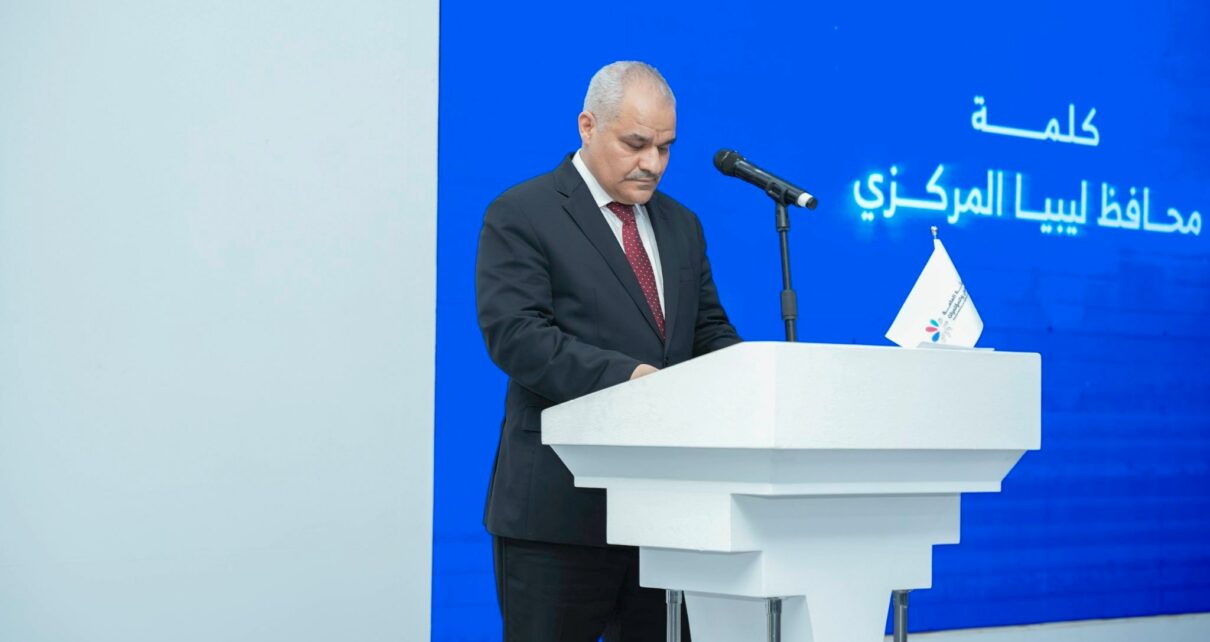
Governor of the Central Bank of Libya, Naji Issa, announced over the week-end that the eastern-based House of Representatives and the Tripoli-based High Council of State had agreed to harmonize public spending through a single national budget framework.
The Central Bank described the deal as a “unified development” agreement, incorporating all four categories of state expenditure and grounded in the country’s actual financial capacity. The framework is expected to promote fiscal sustainability and ensure more balanced development across Libya’s regions.
The unified budget is estimated at nearly 190 billion Libyan dinars (approximately $30 billion), according to Reuters. The agreement marks the first consensus on national spending since Libya’s political fragmentation following the 2011 fall of Muammar Gaddafi, which left the country divided between rival administrations in the east and west.
Presidential elections are scheduled for this April 2026, raising cautious optimism that the budget accord could support broader political stabilization.