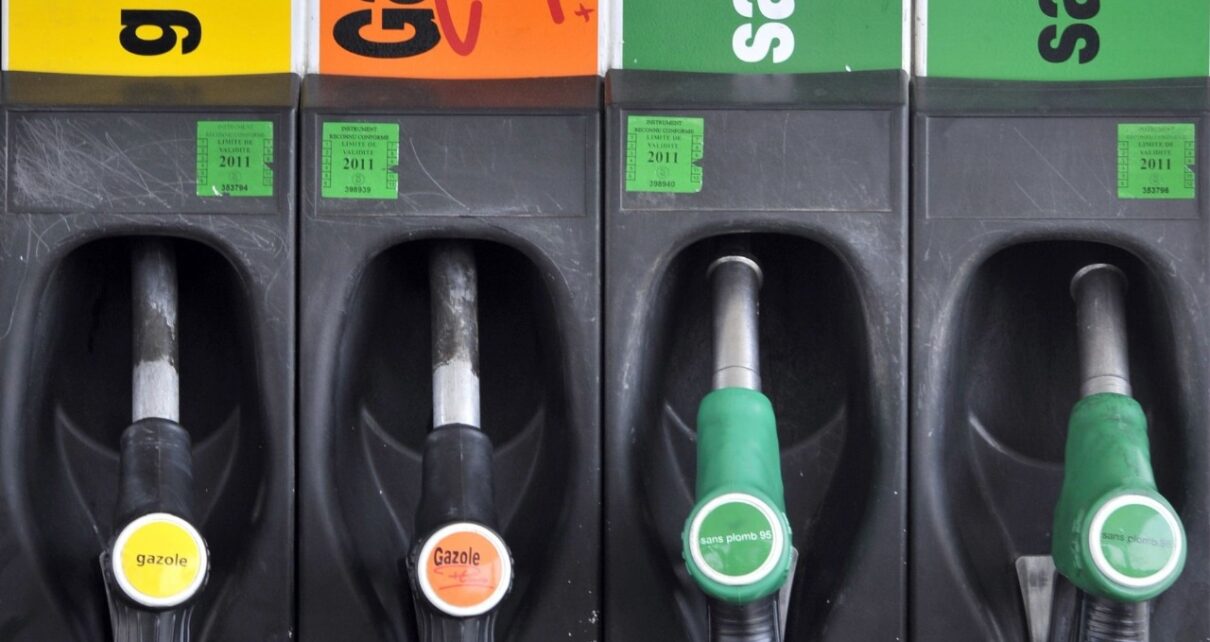
Morocco’s Competition Council said international market volatility drove fuel price movements in early March, with diesel and gasoline showing different levels of pass‑through to pump prices.
In a note reviewing price developments between March 1 and March 16, 2026, the council said geopolitical tensions in the Middle East pushed up crude oil and refined product prices, leading to rapid increases amid heightened volatility.
The analysis is based on quotations for refined products in the northwest European market, notably the Amsterdam–Rotterdam–Antwerp (ARA) hub, which the council described as a “key benchmark” for determining Moroccan operators’ import prices.
Most purchases remain indexed to these references, making the domestic market highly sensitive to global price movements. Operators adjust prices according to costs and commercial strategies, resulting in differing transmission patterns.
For diesel, the council found an incomplete adjustment. CIF quotations rose by 2.92 dirhams per liter over the period, while pump prices increased by 2.03 dirhams per liter.
The council described this as a “partial pass‑through,” estimating the transmission rate at 69.5%, with a gap of 0.89 dirhams per liter reflecting upstream trade‑offs that limited the full transfer of higher import costs.
International quotations for gasoline rose by 1.26 dirhams per liter, but pump prices increased by 1.43 dirhams per liter, a positive spread of 0.17 dirhams per liter. The council said this indicated pass‑through exceeding international price changes, underscoring differences in pricing mechanisms across products.
Beyond averages, the council noted variations among operators. Price differences charged to service‑station managers reached nearly 0.20 dirhams per liter for diesel, about 10% of the average increase, reflecting differing distributor strategies.