After years of drought-driven hardship, Morocco’s 2025-2026 agricultural season is showing meaningful signs of recovery, driven by the most generous winter rainfall the country has experienced in decades. From cereal crops to orchards, conditions across multiple production basins have improved significantly, offering farmers cautious grounds for optimism.
According to the General Directorate of Meteorology, national average rainfall between December and February reached 136 mm — nearly double the seasonal norm of 71 mm — placing this winter third among the wettest since 1981. Dam fill rates have surged from 27.6% to 70.7%, with 37 reservoirs exceeding 80% capacity and 13 having already overflowed. Water inflows totaled 13.87 billion cubic meters, representing a 130% surplus above the national annual average.
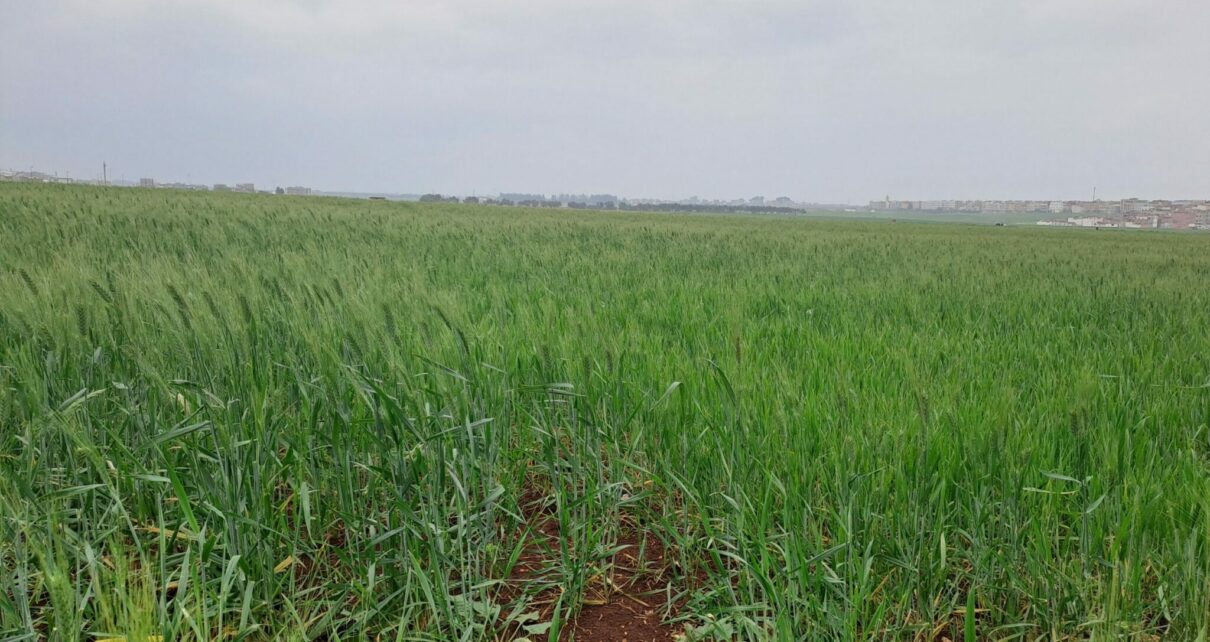
For cereal crops, which dominate Morocco’s agricultural landscape, the timing could not be better. “We are now in the ear-formation phase. This is the decisive moment. A large share of the final yield is determined at this stage,” explained Mohamed Taher Sraïri, professor at the Hassan II Agronomic and Veterinary Institute in a statement to news outlet le360. Rain-fed farming zones, in particular, stand to benefit, as sustained soil moisture allows crops to complete their growing cycles without hydric interruption. Cereal production estimates range from 6 to 9 million tons, depending on the source consulted.
Satellite vegetation indices confirm the nationwide improvement, with positive NDVI readings recorded across the entire country. Forage crops such as oats and triticale are developing well, while legume cultivation — including broad beans — has expanded. Spring-flowering fruit trees, including peach, nectarine, and apricot varieties, are currently in full bloom.
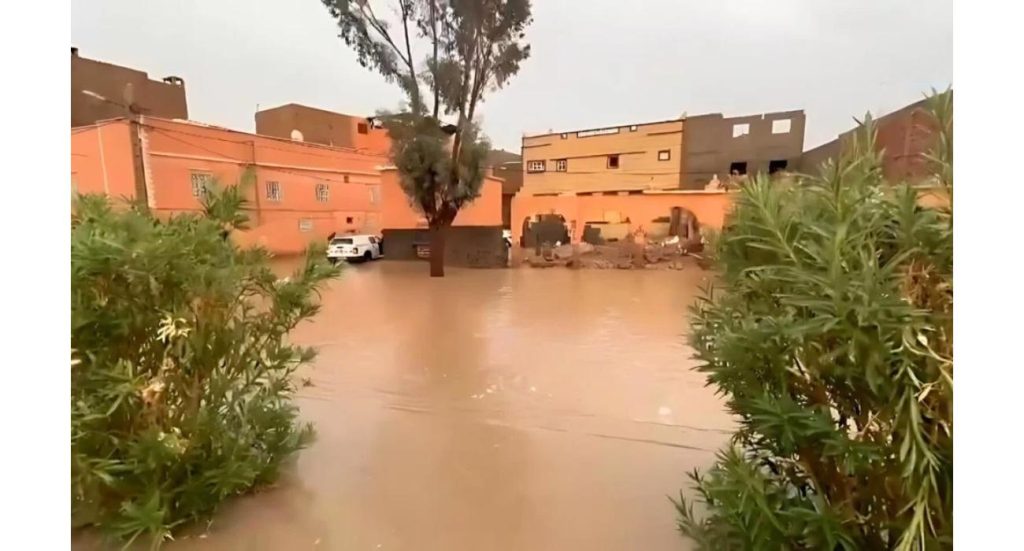
However, the season has not been without setbacks. Flooding in the Gharb and Loukkos regions has damaged citrus and soft fruit crops — losses that are difficult to recover quickly. Experts warn that climate projections anticipate a 20 to 30% decline in water resources by 2050, underscoring the urgent need to realign agricultural planning, crop selection, and irrigation strategy with Morocco’s evolving hydrological reality.