Algeria’s reaction to the unfolding developments in Iran reignited questions over the coherence of its foreign policy, exposing familiar patterns of hesitation, selective outrage and inconsistencies that diplomats say increasingly undermine its credibility on the regional stage.
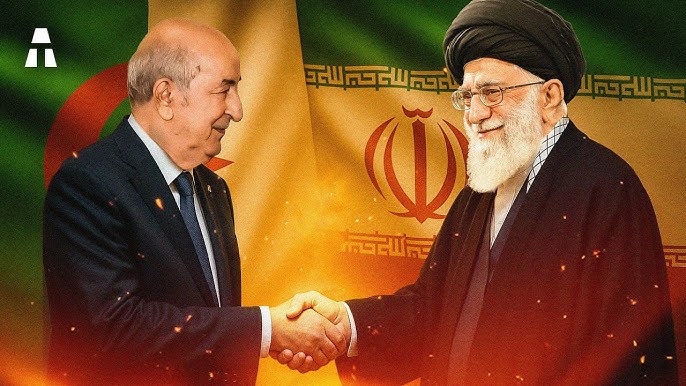
The strikes, which killed Iranian Supreme Leader Ayatollah Ali Khamenei and several top officials, targeted the regime with which Algiers has maintained one of its closest Middle Eastern alliances since 1979.
Algerian officials were widely expected to respond forcefully in defense of their ally Tehran. Instead, the government issued a delayed and ambiguously worded statement.
In its belated statement, Algeria’s foreign ministry had hoped that recent US–Iranian talks in Oman would “conclude peacefully,” calling the escalation “profoundly regrettable” and warning of “unpredictable consequences” for Gulf stability. The statement expressed concern for the region’s security but made no reference to the Iranian missile aggression that struck several Arab capitals earlier in the day.
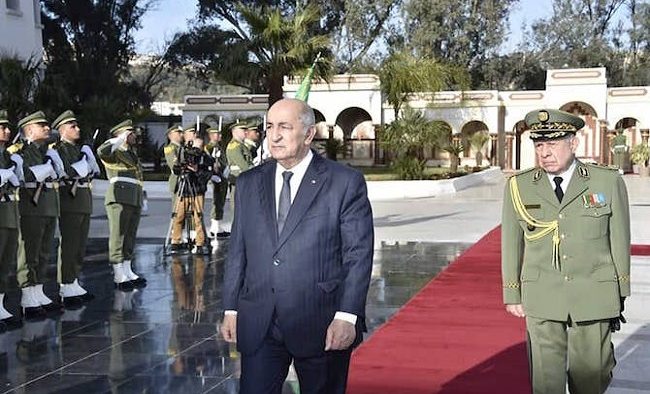
Notably absent was any message of solidarity with Qatar, Saudi Arabia, or Kuwait, the same countries President Abdelmadjid Tebboune recently referred to as “great friends” of Algeria. In contrast, Algiers refrained from criticizing Iran’s strikes, a silence seen by many regional observers as tacit approval.
The contrast with Algeria’s rapid condemnation of Israeli strikes on Doha in September 2025 has drawn particular scrutiny. When Israel targeted Hamas officials in the Qatari capital, Algiers denounced the attack within hours. Yet when Iran launched missiles at the same city on Saturday, Algiers neither condemned the strike nor expressed concern for the Gulf state. A similar pattern surfaced in June 2025, when Iran targeted the US base at Al-Udeid in Qatar, prompting Algeria to call on “both parties” to show restraint, a position critics say amounted to shielding Tehran from responsibility.
The Algerian press echoed this orientation. Major state-sponsored outlets, including El Watan and Awrass, uniformly described the strikes as an “American-Israeli aggression,” while state radio adopted the phrase “American-Zionist aggression.” No mainstream Algerian newspaper referred to Iran’s attacks on Gulf capitals as acts of aggression.
The episode reflects both the alliance of the Algiers-Tehran axis and the unease gripping senior Algerian officials following the death of Khamenei, a longtime ideological reference point for several elements within the Algerian power structure. Iran’s leadership crisis, combined with mounting international pressure on Algeria over its regional stances, has intensified fears in Algiers of geopolitical isolation.