Tunisian opposition figures and civil society activists are sounding the alarm over what they describe as Algeria’s creeping interference in Tunisia’s domestic affairs.
Former President Moncef Marzouki has repeatedly warned that Algiers “never stopped intervening” and called recent pro-Saïed rallies involving Algerian demonstrators a “flagrant act of interference.”
Lawyers and political commentators echo these concerns, citing leaked reports of a defense pact that could allow Algerian forces operational access inside Tunisia and obligate Tunis to notify Algiers of any foreign agreements, a scenario critics liken to a modern-day protectorate.
This backlash comes against the backdrop of Tunisia’s deepening economic crisis and diplomatic isolation.
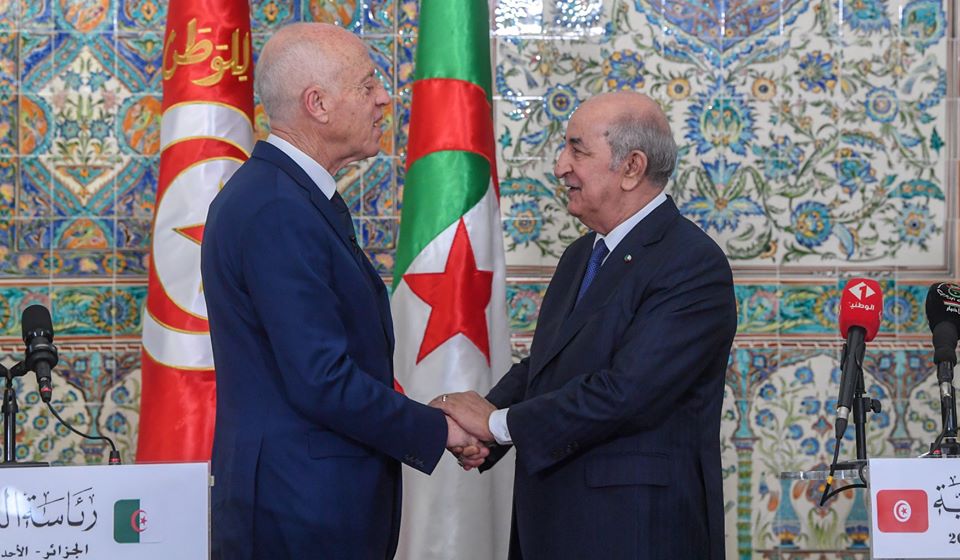
With IMF talks stalled and foreign investment drying up, President Kaïs Saïed has leaned heavily on Algerian charity and gas supplies covering nearly half of Tunisia’s needs and hundreds of millions in financial aid since 2020.
Tunisian critics argue that this dependency has translated into diplomatic alignment, from hosting Polisario leader Brahim Ghali to adopting stances that mirror Algiers on regional disputes.
Security cooperation, once framed as counter-terrorism solidarity, now raises sovereignty questions. Expanded intelligence sharing and joint military coordination blur operational boundaries, while critics warn of a governance model increasingly resembling Algeria’s own, marked by shrinking political space and harsh penalties for dissent.
For many Tunisians, Tunis is turning into an Algerian vassal or “wilaya”.