Global commerce is poised to reach a historic milestone in 2025, with trade volumes expected to hit $35 trillion according to the United Nations Conference on Trade and Development (UNCTAD). Africa’s export growth ranks second only to East Asia, positioning Morocco as one of few African nations capable of fully capitalizing on this expansion.
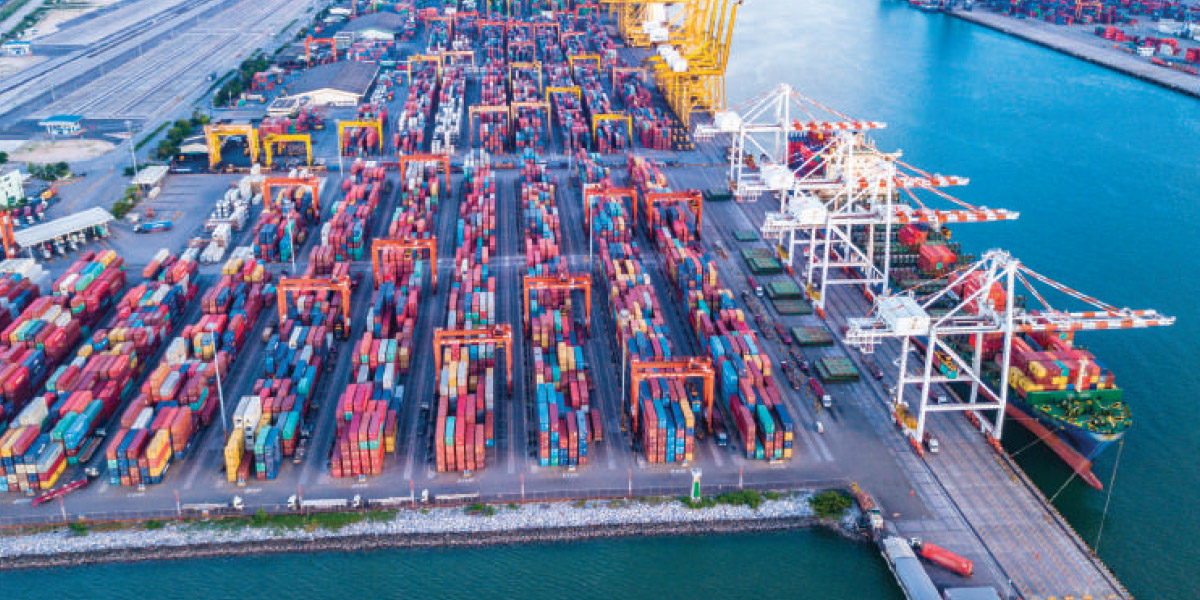
The kingdom benefits from surging South-South trade, which grew 8 percent over the past four quarters, alongside strategic supply chain relocalization. Nearshoring and friendshoring strategies now attract manufacturing investments to regions offering both geographic proximity and political stability. Morocco’s advantages include trade agreements with the European Union and world-class logistics infrastructure, particularly the Tanger Med port complex, which establishes the country as an indispensable regional hub.
However, UNCTAD warns of significant vulnerabilities beneath this optimistic surface. Over 90 percent of global trade depends on financial infrastructure concentrated in advanced economies, exposing emerging markets like Morocco to external financial shocks. The organization’s 2025 Trade and Development Report cautions that dollar appreciation or tightening international credit conditions, particularly through Federal Reserve monetary policy adjustments, could abruptly slow commercial flows despite strong global demand.
Export diversification remains Morocco’s persistent challenge. With a diversity index of just 1.8, the kingdom relies heavily on specific sectors including phosphates and aeronautics, while depending on primary markets such as the European Union and West Africa. This indicator falls notably short of countries like Malaysia or Bangladesh, which achieve 2.8.
Addressing this concentration, UNCTAD recommends Southern countries multiply commercial partnerships, develop local currency settlement mechanisms, and strengthen project bankability. Integrating green transition initiatives, particularly through sustainable critical mineral exploitation, could provide additional leverage for attracting investment and building trade resilience.
Morocco’s challenge now transcends simply capturing global trade flows. The kingdom must consolidate its position while guarding against international financial system fragilities and preparing foundations for sustainable, diversified growth. The question shifts from profiting from global economic expansion to securing that advantage against financial and geopolitical turbulence potentially emerging in coming years.